I spent three hours last Tuesday staring at a “smart” lightbulb that refused to connect to my Wi-Fi, eventually giving up and just flipping the manual switch in pure frustration. It was a perfect, infuriating example of why most people fail when they try to figure out how to choose tech for your home. We’ve been sold this dream that every gadget needs to be interconnected, voice-activated, and capable of telling us the weather, but most of it is just expensive clutter that adds more friction to your day instead of removing it. If a device requires a PhD and a dedicated troubleshooting session just to perform a basic task, it isn’t “smart”—it’s broken.
I’m not here to pitch you on the latest shiny ecosystem or the most expensive flagship models that promise to revolutionize your existence. My goal is much simpler: I want to help you build a setup that actually serves your life without demanding constant maintenance. I’m going to walk you through a pragmatic framework for vetting hardware, focusing on reliability and ease of use over flashy specs. We are going to strip away the marketing fluff and focus on battle-tested systems that work even when you’re too tired to care.
Table of Contents
Smart Home Ecosystem Compatibility Without the Headache
The biggest mistake I see people make is buying a handful of cool gadgets from five different brands and wondering why they can’t get them to talk to each other. You end up with a graveyard of apps on your phone that all do slightly different things. Before you pull the trigger on anything, you need to commit to a single smart home ecosystem compatibility standard. Whether you land on Apple HomeKit, Google Home, or Amazon Alexa, pick one and stick to it. It’s much easier to build a cohesive system than it is to play digital diplomat every time you want to dim the lights.
When you’re evaluating home tech connectivity, look for the “Matter” logo. It’s a relatively new industry standard designed to stop this exact headache by letting devices from different manufacturers play nice together. If a device doesn’t explicitly state which ecosystem it supports, leave it on the shelf. I’ve spent far too many Tuesday afternoons troubleshooting why a “smart” plug won’t respond to a voice command; life is too short for tech that requires a manual just to turn on a lamp.
Essential Smart Home Gadgets That Actually Save Time
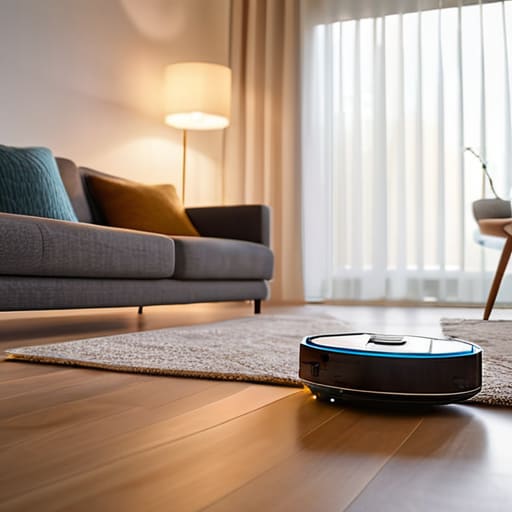
When I look at a list of essential smart home gadgets, I don’t see a playground for early adopters; I see potential points of failure. If a device doesn’t actively remove a repetitive task from your plate, it’s just expensive clutter. For me, the heavy hitters are the ones that handle the “invisible” chores. A smart thermostat that learns your schedule or a robot vacuum that actually maps your floor plan without getting stuck on a rogue rug are the only things worth the initial setup time. If you’re spending more time managing the gadget than the gadget is managing your life, you’ve failed the efficiency test.
The real trick is integrating IoT devices that serve a singular, clear purpose. I’m a big fan of smart plugs for things like your coffee maker or your floor lamps—they are low-cost, low-risk, and provide immediate, tangible utility. However, don’t let the novelty drive your spending. Before you buy, ask yourself: Does this solve a recurring friction point in my Tuesday afternoon? If the answer is no, leave it in the cart. We’re building a system, not a museum of blinking lights.
Five Rules for Buying Tech That Won't Become Expensive Paperweights
- Prioritize physical controls over app-only interfaces. If you have to dig through three sub-menus on your phone just to dim the lights while you’re carrying a laundry basket, the “smart” feature has failed. Look for devices that offer tactile buttons or reliable voice commands.
- Audit your existing Wi-Fi strength before you buy a single sensor. There is nothing more frustrating than spending an afternoon installing a smart lock only to realize your router can’t penetrate your front door. If your signal is weak in the kitchen, a new smart fridge isn’t going to fix your connectivity issues.
- Ignore the “future-proof” marketing fluff. Companies love to promise that their gadget will work with every protocol imaginable, but the reality is usually much messier. Stick to established standards like Matter or Zigbee if you want to avoid being locked into a single manufacturer’s ecosystem.
- Run a “Tuesday Afternoon Test” on every potential purchase. Ask yourself: “If I’m exhausted, it’s raining, and I’ve had a terrible day, will this device make my life easier or will it be another thing I have to troubleshoot?” If the answer is the latter, leave it on the shelf.
- Don’t buy tech just because it’s “smart.” A traditional, high-quality analog thermostat or a simple mechanical timer often does the job more reliably than a complex networked version. Only automate processes that actually occur frequently enough to justify the mental overhead of managing them.
The Bottom Line

Stick to one ecosystem. If you try to bridge three different brands that don’t talk to each other, you aren’t building a smart home; you’re building a part-time job for yourself.
Prioritize utility over novelty. A smart lightbulb that requires a firmware update every Tuesday is a failure; a smart plug that actually automates your coffee maker is a win.
Buy for the friction you actually have. Don’t spend money on high-tech solutions for problems you don’t possess. Solve the small, annoying tasks first, and let the rest of the tech stay in the box.
The Golden Rule of Home Tech
If a device requires more than five minutes of troubleshooting just to perform its basic function, it isn’t a tool—it’s a chore. Buy for utility, not for the novelty of the spec sheet.
Diane Sterling-Voss
The Bottom Line
At the end of the day, choosing home tech isn’t about having the most impressive gadget list on your block; it’s about building a system that actually serves you. Remember to prioritize ecosystem compatibility so you aren’t fighting your own devices, and only invest in tools that solve a specific, recurring friction point in your daily routine. If a piece of tech requires a twenty-minute setup every time you want to use it, it isn’t an upgrade—it’s a chore. Stick to the essentials, focus on reliability over novelty, and ensure every new addition earns its place on your network by actually making your life a little quieter or a little easier.
My philosophy has always been that the best systems are the ones you eventually stop noticing. Technology should be like a well-oiled machine or a perfectly tuned synthesizer: it should just work, providing a seamless backdrop to your life rather than demanding center stage. Don’t let the pursuit of the “perfectly smart home” become another project that drains your mental bandwidth. Build your setup incrementally, stay pragmatic, and remember that the ultimate goal is to reclaim your time. Once the tech is doing the heavy lifting, you can get back to the things that actually matter.
Frequently Asked Questions
How much should I actually budget for a basic setup before I start seeing real returns on my time?
Look, don’t go out and buy a $2,000 integrated system just to see if you like it. You’ll end up with a collection of expensive paperweights. For a functional baseline—think a few smart plugs, a reliable hub, and maybe a smart thermostat—aim for $300 to $500. That’s enough to automate the friction points without draining your savings. Focus on the high-impact, low-effort stuff first. If it doesn’t save you ten minutes a day, it’s not worth the investment.
Is it worth buying into a premium ecosystem like Apple or Google, or should I just stick to the cheaper, generic brands?
Look, if you’re building a system to reduce friction, don’t go cheap just to save twenty bucks today. Generic brands are fine for a single smart plug, but once you start layering devices, the “cheap” route usually leads to a fragmented mess of ten different apps that don’t talk to each other. Pay the premium for Apple or Google. It’s an investment in your future sanity; you’re buying interoperability and, more importantly, time.
How do I know if a piece of tech is actually going to be useful long-term versus just being a shiny distraction that ends up in a drawer?
Ask yourself one question: Does this solve a recurring friction point in my day, or am I just excited by the novelty? If it’s a gadget that requires a new app, a separate login, and ten minutes of setup just to perform a task I already do in seconds, it’s a distraction. Real utility is invisible. If it doesn’t automate a chore or eliminate a mental load, it’s just expensive clutter waiting for a drawer.