We’ve all been there: it’s 6:30 PM on a Tuesday, you’re running on fumes, and you realize you have absolutely nothing to eat. You end up staring into the depths of your kitchen cabinets, hoping for a miracle, only to settle for another expensive, mediocre takeout order. Most people try to solve this by buying every exotic spice and artisanal grain they see on social media, but that’s just adding more clutter to your mental load. I’ve learned through years of managing chaotic operations that true efficiency comes from simplicity. You don’t need a gourmet warehouse; you just need a strategic selection of pantry staples to always have on hand to bridge the gap between exhaustion and a decent meal.
In this guide, I’m stripping away the fluff and focusing on the bare essentials. I’ve narrowed it down to just five versatile items that do the heavy lifting for you, regardless of how much energy you have left at the end of the day. These aren’t just ingredients; they are the building blocks of a low-friction kitchen. By the time you finish reading, you’ll have a foolproof foundation that eliminates decision fatigue and saves your sanity.
Table of Contents
The Versatile Base: Dried Pasta
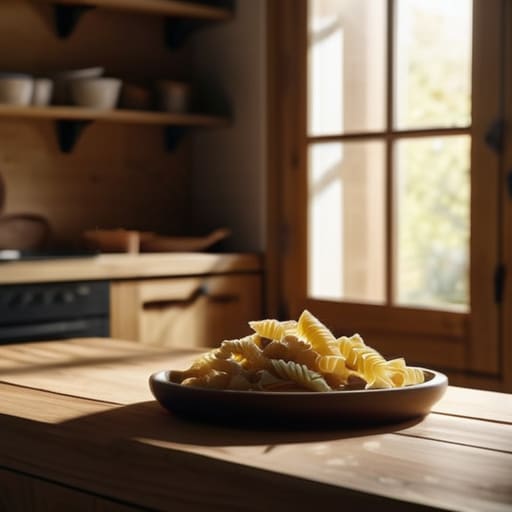
I’ve learned through years of managing tight schedules that you can’t rely on fresh ingredients when you’re running on fumes. A box of high-quality dried pasta is the ultimate low-effort insurance policy. It has a massive shelf life, requires almost zero prep work, and provides a reliable foundation for whatever you happen to have in the fridge.
The Flavor Engine: Extra Virgin Olive Oil
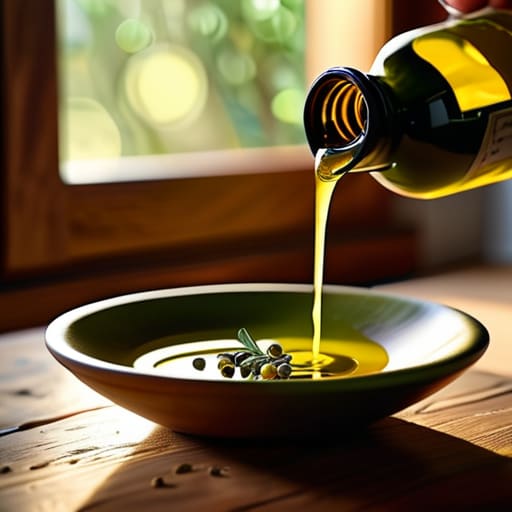
If you’re going to spend money on one thing in your pantry, make it a decent bottle of olive oil. I treat my oil like I treat my vintage synths—you can get by with something cheap, but the quality of the components dictates the final output. A good oil does the heavy lifting for you, providing depth to a simple salad or a quick sauté without needing a dozen spices.
The Protein Shortcut: Canned Beans
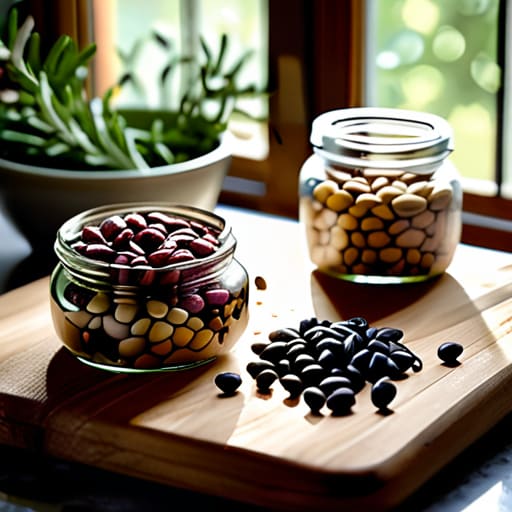
Canned beans are the unsung heroes of a functional kitchen. I don’t have the bandwidth for soaking dried beans on a weeknight, and frankly, I don’t want to. Whether it’s chickpeas, black beans, or cannellini, these are instant protein sources that require nothing more than a quick rinse to be ready for action.
The Umami Lifeline: Better Than Bouillon
I have a personal rule against carrying around bulky, half-empty cartons of liquid broth that will inevitably spoil in the back of the fridge. Instead, I rely on concentrated bases like Better Than Bouillon. It’s a small jar that packs a massive punch, offering a level of flavor depth that a standard bouillon cube just can’t match.
The Grain Foundation: Jasmine or Basmati Rice
Rice is the ultimate neutral canvas. I keep a large bag of long-grain rice in the pantry because it is arguably the most cost-effective way to fill a plate. It’s predictable, it’s easy to portion out, and it serves as the perfect substrate for whatever protein or vegetable you’ve managed to pull together.
The Bottom Line
Don’t aim for a gourmet showroom; aim for a functional toolkit that prevents decision fatigue when you’re tired.
Buy in bulk only what you actually use consistently to avoid wasting both money and cabinet space.
The goal isn’t to cook complex meals, but to ensure you never have to order expensive, mediocre takeout because your kitchen is empty.
The Philosophy of the Pantry
A well-stocked pantry isn’t about gourmet ambition; it’s about reducing the number of decisions you have to make when you’re too tired to think. If you have the basics, you have options. If you have options, you have peace of mind.
Diane Sterling-Voss
The Bottom Line
At the end of the day, this isn’t about building a gourmet library or curating a museum of expensive spices. It’s about having a functional foundation. By keeping these five essentials—your grains, fats, aromatics, acids, and proteins—on hand, you’ve effectively de-risked your weeknights. You aren’t just buying groceries; you are buying back the mental energy you usually waste staring into a fridge at 6:00 PM, wondering if you have the strength to order takeout or actually cook something. A well-stocked pantry is a system for decision fatigue, and once you have it in place, you’ll wonder how you ever managed without it.
My advice? Don’t try to overhaul your entire kitchen in a single afternoon. That’s how “efficiency” turns into an exhausting chore. Instead, just pick up one or two of these items the next time you’re at the store. Build the habit slowly. The goal isn’t perfection; it’s about creating a little more breathing room in your daily routine. When you eliminate the friction of “what’s for dinner,” you leave yourself with more capacity for the things that actually matter—whether that’s finally finishing that project or just sitting down to enjoy a quiet meal. Keep it simple, keep it functional, and let the system do the work for you.
Frequently Asked Questions
How do I know when these items are actually going bad if I'm not using them every week?
Look, the goal isn’t to run a commercial kitchen; it’s to avoid waste. For dry goods like pasta or rice, if the packaging is intact and there’s no weird smell, you’re usually fine. For oils or spices, use your senses: if it smells like nothing or tastes flat, it’s dead. If you see any moisture or clumps in your grains, toss them. Don’t overthink it—if it looks or smells off, let it go.
Is there a way to keep this list minimal without ending up with zero options when I'm tired?
The trick isn’t adding more items; it’s about versatility. I don’t stock a hundred different things—that’s just more inventory to manage. Instead, I focus on “bridge ingredients.” If you have a high-quality fat (olive oil), a reliable starch (pasta), and a way to add acid (vinegar or lemons), you can pivot between three different meals without a shopping trip. Keep the list lean, but make sure everything on it plays well with others.
Should I be buying these in bulk to save money, or is that just creating more clutter in my cabinets?
Bulk buying is a math problem, not a lifestyle choice. If it’s a non-perishable with a high turnover rate—like rice or olive oil—buy the large format. It saves money and reduces packaging waste. But if a “deal” results in a five-pound bag of something you only use once a month, you aren’t saving money; you’re just paying to store clutter. Buy for volume only when the consumption rate justifies the footprint.