I spent fifteen years in corporate operations, so I have a low tolerance for inefficient systems, and frankly, the way most “cooking influencers” approach mealtime is a total waste of mental bandwidth. They want you to believe that you need a curated list of twenty-four precise measurements and a specific brand of artisanal sea salt just to make a basic chicken dish. It’s exhausting. If you’re staring at a pile of random ingredients in your fridge, paralyzed because you don’t have a step-by-step guide, you’re falling for the myth that cooking requires a manual. Learning how to cook without a recipe isn’t about being a culinary prodigy; it’s about understanding the fundamental mechanics of flavor so you can stop overthinking and start eating.
I’m not here to teach you how to become a Michelin-star chef or to suggest any “hacks” that require more prep work than the meal itself. Instead, I’m going to give you a few battle-tested frameworks—simple, repeatable systems for balancing salt, fat, acid, and heat. My goal is to help you build a reliable mental toolkit that works in the messy reality of a Tuesday afternoon. We’re going to strip away the fluff and focus on the logic of the kitchen, so you can reclaim your time and actually enjoy the process.
Table of Contents
Building Flavor Foundations From Your Messy Pantry
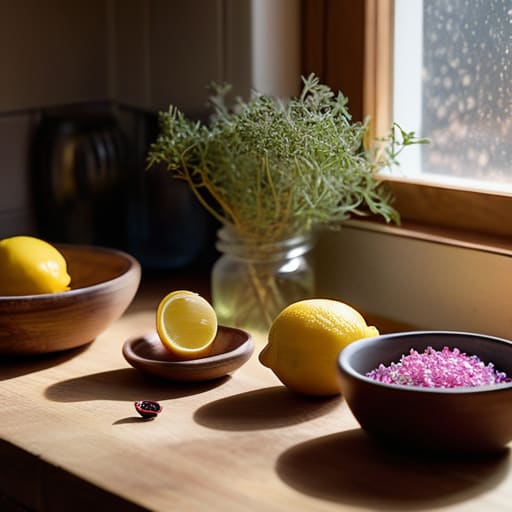
Stop treating your pantry like a museum of unopened cans and start treating it like a toolkit. Most people fail at cooking without instructions because they think they lack ingredients, when really they just lack a system. You don’t need a specialized spice rack from a boutique shop; you need to master pantry staple cooking using what is already sitting in your cupboard. Think in terms of categories rather than specific dishes: you have your acids (vinegar, citrus, wine), your fats (olive oil, butter, coconut oil), and your aromatics (garlic, onions, dried herbs).
Once you stop looking for a specific label on a jar, you can start practicing basic flavor profiling techniques. If a dish tastes flat, it usually needs acid or salt. If it’s too sharp, it needs fat or a touch of sweetness to round it out. This isn’t magic; it’s just understanding seasoning balance through trial and error. When you stop trying to match a recipe’s exact measurements and start reacting to what is actually happening in the pan, you stop being a follower and start being the operator.
Mastering Pantry Staple Cooking for Busy Weeknights
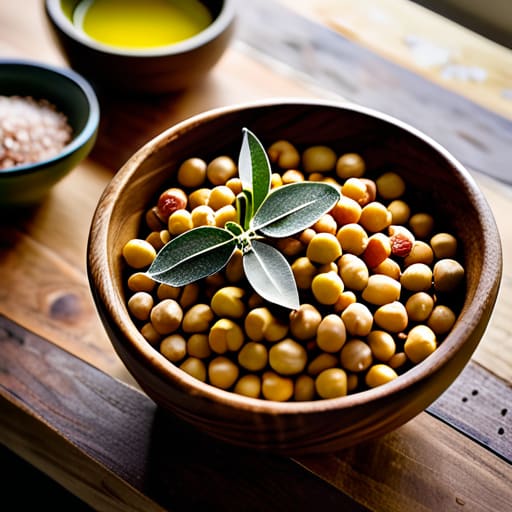
The goal here isn’t to become a Michelin-star chef by 7:00 PM on a Tuesday; it’s about reducing the cognitive load of deciding what’s for dinner. To do that, you need to move away from the “one specific ingredient” mindset and toward pantry staple cooking. Most of the time, your kitchen is already stocked with the components of a great meal—grains, canned beans, aromatics, and oils. The trick is learning how to bridge them. Instead of looking for a recipe for “Lemon Chicken,” look at what you have: a tin of chickpeas, some dried oregano, and a half-empty jar of olives. When you stop viewing ingredients as individual actors and start seeing them as modular building blocks, the decision fatigue starts to evaporate.
This is where understanding seasoning balance becomes your most valuable asset. Every dish essentially needs four things: salt, fat, acid, and heat. If a pan of sautéed vegetables feels “flat,” don’t reach for more salt; reach for a squeeze of lemon or a splash of vinegar. That hit of acid provides the brightness that salt alone can’t achieve. Once you grasp these basic flavor profiling techniques, you stop being a slave to a printed page and start trusting your own palate.
Five Rules for Cooking Without the Script
- Stop measuring, start tasting. A recipe tells you to add a teaspoon of salt; I want you to add a pinch, taste it, and realize you actually need two. Your palate is a much better sensor than a measuring spoon.
- Learn the “Fat-Acid-Salt-Heat” framework. If a dish feels flat, it usually needs acid (lemon or vinegar). If it feels heavy, it needs salt. If it’s boring, it needs heat. Once you understand these levers, you can fix almost any mistake mid-pan.
- Build a “flavor profile” mental map. Don’t memorize recipes; memorize pairings. Know that cumin and lime go together, or that garlic and rosemary are a classic duo. Once you have the pairings down, you can swap ingredients based on whatever is actually in your fridge.
- Treat your aromatics as the non-negotiable starting line. Almost every decent meal begins with the same ritual: sweating onions, garlic, or ginger in oil. If you nail the base, the rest of the dish usually takes care of itself.
- Embrace the “good enough” principle. You aren’t trying to win a Michelin star on a Tuesday at 6:30 PM. If the sauce is a little thicker than intended or the vegetables are slightly more charred than the book suggested, move on. The goal is a meal, not a masterpiece.
The Core Logic of Intuitive Cooking
Stop looking for a specific dish and start looking for a framework; once you understand how fat, acid, and salt interact, you can improvise with whatever is left in your fridge.
Trust your senses over your screen; if a sauce looks dull, add acid; if it tastes flat, add salt; if it’s too heavy, add heat.
Accept that your first attempt might be a “learning meal,” but don’t let the fear of a mediocre dinner stop you from building the muscle memory that makes cooking effortless.
The Myth of the Perfect Instruction Manual
A recipe is just a suggestion written by someone who didn’t have to deal with your specific pantry or your Tuesday night exhaustion; stop treating it like a legal document and start treating it like a rough draft.
Diane Sterling-Voss
The End of the Instruction Manual
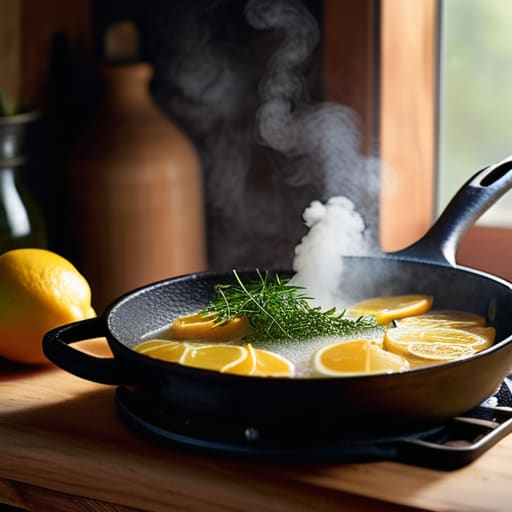
At the end of the day, cooking without a recipe isn’t about being a gourmet chef; it’s about reducing the cognitive load of a Tuesday night. We’ve covered how to audit your pantry for those essential flavor foundations, how to lean on staples like acids and fats to balance a dish, and how to trust your senses over a printed list of measurements. Once you stop treating every meal like a chemistry experiment that requires exact grams and milliliters, you realize that most cooking is just a series of small, logical adjustments. If it’s too heavy, add acid. If it’s too flat, add salt. It’s a system, not a guessing game.
My goal isn’t to turn you into a culinary artist who spends four hours on a reduction; it’s to give you back your evening. When you master the ability to look at a random assortment of vegetables and a half-empty jar of spices and see a meal instead of a problem, you win. You stop being a slave to the grocery list and start being the person in control of your kitchen. So, put the cookbook back in the drawer, trust your palate, and just start cooking. The more you do it, the more automatic it becomes.
Frequently Asked Questions
What do I do if I accidentally over-season something while I'm winging it?
Don’t panic and don’t reach for the trash can. If you’ve gone overboard on salt, add an acid—a squeeze of lemon or a splash of vinegar—to cut through the heaviness. If it’s too spicy, you need fat; stir in some heavy cream, Greek yogurt, or even a bit of avocado. If the whole dish just tastes “loud,” add a starch like rice or bread to soak up the excess. It’s about balance, not perfection.
How do I know if a dish is actually "done" if I'm not following specific timing instructions?
Forget the timer; it’s a blunt instrument that doesn’t care if your chicken is dry or your sauce is broken. You need to engage your senses. Taste for seasoning, touch for resistance, and listen for the sizzle. Is the steak yielding like butter, or is it fighting you? Does the sauce coat the back of a spoon? If it looks right, tastes balanced, and feels correct, it’s done. Trust your hands, not the clock.
Are there certain ingredients that are just too risky to experiment with without a guide?
Look, I’m all for intuition, but let’s not be reckless. If you’re working with expensive proteins like a thick ribeye or a delicate piece of sea bass, use a thermometer and a timer. Don’t “vibe” your way through a $40 steak. The same goes for highly potent spices like cloves or star anise—a little goes a long way, and too much will ruin the entire batch. Use a guide when the cost of failure is high.