I’ve spent a decade watching people drown in “productivity” software that does nothing but create more digital noise. We’ve all been there: you download a new tool thinking it will finally fix your chaotic schedule, only to spend three hours configuring settings and another two days trying to remember how the interface works. It’s a trap. Most people don’t need more features; they need less friction. If you’re looking for the best free apps to streamline your life, you have to ignore the flashy, bloated subscriptions and focus on the lean, functional tools that actually do the job without demanding more of your mental bandwidth than they save.
In this guide, I’m cutting through the marketing fluff to give you five battle-tested tools that I personally rely on to keep my operations running smoothly. I’m not interested in anything that requires a steep learning curve or a monthly fee. Instead, I’ve curated a list of essentials that provide immediate utility for your career, your finances, or your daily logistics. These are the tools that work when you’re in the middle of a messy Tuesday afternoon and just need something that works the first time. Let’s get to it.
Table of Contents
Bitwarden for Password Sanity
I spent years using the same three passwords for everything, which was a recipe for a security disaster I didn’t need. Most “premium” password managers try to lock you into a subscription model that feels like a second mortgage, but Bitwarden is different. It’s an open-source powerhouse that handles the heavy lifting of generating and storing complex credentials without the unnecessary bloat.
Google Keep for Rapid Capture
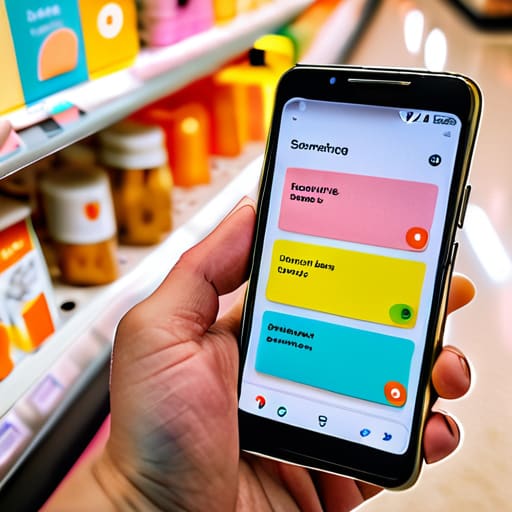
My physical planner is my anchor, but it doesn’t help when I’m standing in the grocery aisle or mid-meeting and a random thought hits me. I use Google Keep as my digital “sticky note” graveyard. It isn’t a complex project management tool, and that is exactly why it works. It’s fast, it’s lightweight, and it doesn’t require a ten-minute setup just to write down a single thought.
Trello for Visual Task Flow
When my brain feels like it has too many tabs open, I move my tasks into Trello. I’m not interested in complex Gantt charts or enterprise-level resource planning; I just need to see where my projects are stalling. Using a simple Kanban board allows me to drag a task from “To-Do” to “Doing” to “Done,” providing a much-needed sense of tangible progress.
Pocket for Information Filtering
We are constantly bombarded with articles, tutorials, and long-form essays that we “promise” to read later, only to have them buried under a mountain of new notifications. I use Pocket to act as a buffer between the internet’s chaos and my actual focus time. Instead of leaving twenty tabs open—which is a disorganized mess—I send the interesting stuff to Pocket and close the browser.
Obsidian for Thought Organization
For the deeper, more complex stuff—the kind of notes that require actual synthesis—I turn to Obsidian. It’s a bit more of a learning curve than a simple notepad, but the payoff is a “second brain” that actually makes sense. Unlike most note-taking apps that trap your data in a proprietary format, Obsidian uses plain text files, meaning you actually own your information.
The Bottom Line
Don’t let “feature creep” become your new full-time job; if an app requires more than ten minutes of setup to be useful, it’s likely more friction than it’s worth.
Stick to one ecosystem. Mixing too many disparate tools creates a fragmented digital life that requires constant mental babysitting.
Tools are secondary to systems. An app won’t fix a broken routine, but the right tool can make a solid routine feel effortless.
The Efficiency Trap
A free app is only actually free if it doesn’t cost you your mental bandwidth. If you spend more time configuring the tool than you do actually getting work done, you haven’t found a solution—you’ve just found a new way to procrastinate.
Diane Sterling-Voss
Stop Collecting, Start Implementing
At the end of the day, these five apps are just tools, not magic wands. Whether you’re using a streamlined task manager to clear your mental backlog or a simple note-taking app to capture fleeting ideas, the goal is the same: reducing the cognitive load that drains your battery by 3:00 PM. Don’t fall into the trap of “productivity porn,” where you spend more time tweaking settings and color-coding folders than actually doing the work. The best system is the one that stays out of your way so you can focus on the tasks that actually move the needle.
My advice? Pick one—just one—of these tools and commit to it for the next seven days. Don’t download the whole suite and hope for a sudden burst of organized energy; that’s a recipe for burnout. Instead, integrate one single workflow into your current routine and see if it actually survives the chaos of a real, unscripted Tuesday. Efficiency isn’t about achieving a state of perfect, sterile order; it’s about building resilient systems that hold up when life gets messy. Use the tech to buy yourself some breathing room, then put the phone down and go live your life.
Frequently Asked Questions
Won't using too many different apps just create more digital clutter and mental overhead?
That’s the exact trap I warn people about. If you’re downloading a new tool for every minor inconvenience, you’re just building a digital junk drawer. The goal isn’t to have a “perfect stack”; it’s to find the minimum viable set of tools that actually offload your mental load. If an app requires more maintenance than the task it’s solving, delete it. Stick to a few heavy lifters and let the rest go.
Are these free versions actually functional, or are they just going to nag me with constant "pro" upgrade pop-ups?
Look, I get the skepticism. Most “free” software is just a glorified sales pitch designed to nag you into a subscription. But the ones I’ve listed here? They’re different. They follow a functional model where the core utility is actually unlocked. You might miss a few niche bells and whistles, but you won’t be fighting a pop-up every time you try to complete a task. They work, they stay out of your way, and they let you get back to work.
How do I keep all this data synced across my phone and laptop without a paid subscription?
Look, you don’t need a monthly subscription to bridge the gap between your phone and laptop. If you’re already using Google Workspace or Microsoft’s free tiers, you’re halfway there—just ensure you’re logged into the same account on both devices. For files, stick to the free limits of Dropbox or Proton Drive. It’s about using the same ecosystem across the board. If the data lives in one cloud, it’ll show up everywhere. Simple.