If you think you need a $1,200 espresso machine and a degree in fluid dynamics just to learn how to make coffee at home, I have some good news: you’re being sold a lie. I spent years in corporate operations watching people chase “optimization” through expensive gadgets that ultimately just added more friction to their mornings. I’ve seen the influencers with their goose-neck kettles and precision scales, turning a simple caffeine fix into a high-stakes science experiment that leaves you more exhausted than when you woke up. It’s performative complexity, and frankly, it’s a waste of your mental bandwidth.
I’m not here to sell you on a lifestyle or a complicated ritual. My goal is to give you a few battle-tested, high-yield systems that prioritize flavor without demanding your entire morning as collateral. We’re going to focus on the variables that actually move the needle—water temperature, grind consistency, and decent beans—so you can get a superior cup and get on with your day. No fluff, no unnecessary gear, just the most efficient way to fuel your Tuesday.
Table of Contents
Essential Coffee Brewing Equipment for Beginners
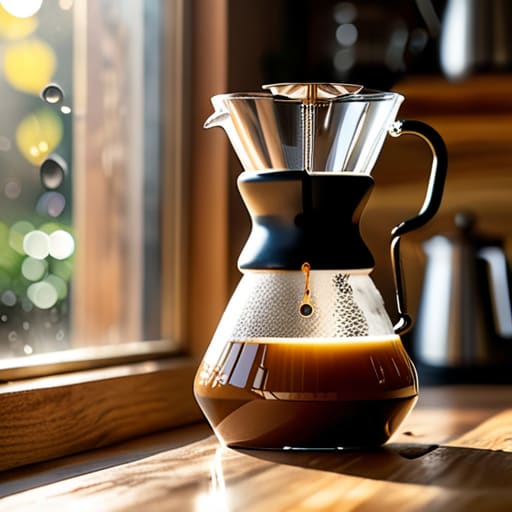
Look, you don’t need a $2,000 espresso machine sitting on your counter like a monument to wasted space. Most people fall into the trap of buying gear they’ll never use, and frankly, that’s just more friction in your morning routine. When looking at coffee brewing equipment for beginners, I suggest sticking to the fundamentals: a reliable kettle, a decent scale, and a way to control the extraction. If you want to keep it simple, a French press or a basic pour-over setup is all you really need to get started without turning your kitchen into a laboratory.
The real secret to improving coffee flavor profile isn’t actually in the machine, though; it’s in the beans and the grind. If you aren’t using freshly ground coffee beans, you’re essentially throwing money down the drain. I always recommend investing in a decent burr grinder rather than a blade one. It’s a one-time purchase that pays dividends in consistency. Get the grind right, keep your water temperature around 200°F, and you’ve already done more than most people to ensure a better cup.
The Truth About Using Freshly Ground Coffee Beans
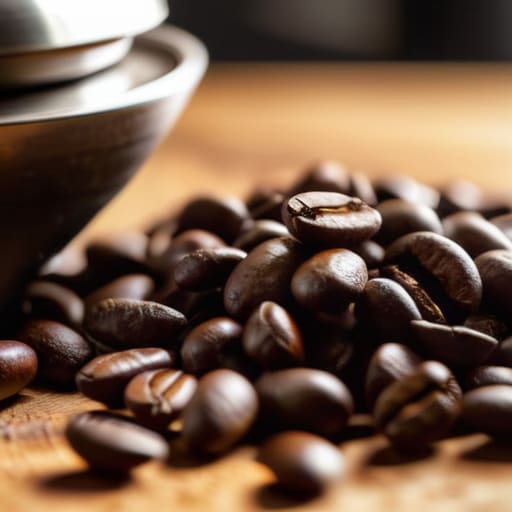
Look, I get it. Buying pre-ground coffee is convenient. It’s one less thing to manage in an already crowded morning routine. But if you’re serious about improving coffee flavor profile without spending an hour on it, you have to stop buying the pre-ground stuff. Once those beans are pulverized, they start oxidizing almost immediately. You aren’t just losing flavor; you’re losing the very oils that make the drink worth making in the first place.
I’ve spent enough time troubleshooting inefficient systems to know that the “convenience” of pre-ground coffee is a false economy. You end up with a cup that tastes flat and dusty, which usually leads to people adding sugar or cream just to make it palatable. That’s not efficiency; that’s masking a failure.
If you want to actually see a difference, invest in a decent burr grinder and use freshly ground coffee beans right before you brew. It adds about sixty seconds to your process, but it eliminates the guesswork. Whether you’re leaning into a pour over coffee technique or just a standard drip, the freshness of the grind is the single most impactful variable you can control.
Five Small Adjustments That Actually Change the Result
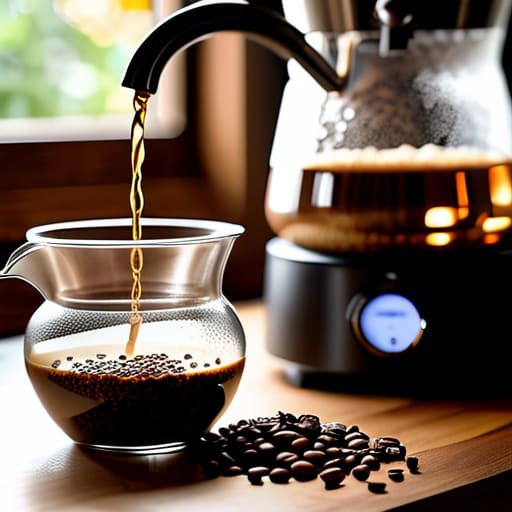
- Stop using boiling water. If you’re pouring water straight off the boil, you’re scalding the grounds and pulling out that bitter, burnt taste. Let the kettle sit for about a minute after it whistles; you want it around 200°F (93°C) for a smoother cup.
- Get a digital scale. Measuring by “scoops” is a recipe for inconsistency. If you want your Tuesday morning coffee to taste the same every single day, you need to weigh your water and your beans. It takes ten extra seconds, but it eliminates the guesswork.
- Clean your gear religiously. Old coffee oils turn rancid quickly, and if you’re brewing with a dirty carafe or a clogged filter basket, no amount of expensive beans will save you. A quick rinse with hot water after every use is non-negotiable.
- Master the “Bloom.” When you first pour water over your grounds, let them sit for 30 seconds before you finish the brew. You’ll see the coffee bubble and expand—that’s the CO2 escaping. If you don’t let it degas, that gas sits between the water and the coffee, blocking the flavor.
- Respect your water quality. If your tap water tastes like a swimming pool, your coffee will too. You don’t need a fancy filtration system, but using a basic Brita pitcher makes a massive difference in the clarity of the final brew.
The Bottom Line for Your Morning Routine
Don’t get seduced by expensive, specialized gadgets; a reliable grinder and a simple pour-over or French press are all you actually need to get the job done.
Prioritize bean freshness over everything else—it’s the single biggest variable in whether your coffee tastes like a morning ritual or a chore.
Build a system, not a hobby; aim for a workflow that delivers a high-quality cup in under five minutes so you aren’t losing your momentum before the workday even starts.
The Efficiency of a Good Cup
“A great cup of coffee shouldn’t require a chemistry degree or a twenty-minute ritual; it should be a reliable system that fuels your day without becoming another item on your to-do list.”
Diane Sterling-Voss
Cutting Through the Caffeine Noise
At the end of the day, making great coffee at home isn’t about owning a $1,000 espresso machine or mastering a dozen different brewing ratios. It comes down to the basics we’ve covered: getting a reliable grinder, prioritizing fresh beans, and choosing a method that actually fits your morning workflow. If you have decent beans and a consistent way to heat water, you are already ahead of 90% of the people standing in line at the local cafe. Don’t let the gear-obsessed corners of the internet convince you that you need a laboratory setup to enjoy a decent cup. Focus on the foundational variables and stop chasing perfection in favor of consistency.
My goal isn’t to turn your kitchen into a high-end barista station; it’s to help you reclaim those fifteen minutes you usually spend idling in a drive-thru lane. Once you have a system that works, the coffee becomes just another seamless part of your morning—reliable, efficient, and exactly how you like it. Use this extra time to actually sit down, breathe, and prepare for the day ahead. Life is messy enough as it is; your morning caffeine routine shouldn’t add to the friction. Build the system, brew the cup, and then get on with your day.
Frequently Asked Questions
Is it actually worth investing in a high-end grinder, or can I just get by with a cheap one?
Look, I’m a pragmatist. If you’re just trying to survive a Monday, a cheap blade grinder is fine, but it’s going to be inconsistent and leave you with a mouthful of silt. If you want to actually enjoy your coffee, invest in a decent burr grinder. It’s the one piece of gear where “cheap” usually means “frustrating.” Think of it as an efficiency play: better grind, better flavor, less wasted effort.
How do I know if my water quality is actually ruining the taste of my brew?
If your coffee tastes consistently flat, metallic, or strangely bitter despite using good beans, your water is the likely culprit. Most tap water is too hard—packed with minerals that block extraction—or too chlorinated, which adds a chemical funk. Here’s the pragmatic test: brew a cup with your usual tap water, then do it again using bottled spring water. If the difference is night and day, stop fighting your beans and invest in a simple charcoal filter.
What’s the easiest way to clean all this gear without it becoming a daily chore?
Don’t let the cleanup become a second job. The trick is to clean as you go. If you’re using a French press, rinse it immediately after pouring; if you let those oils sit, you’re looking at a scrubbing session you don’t have time for. Keep a dedicated drying mat on your counter to avoid the “wet towel” clutter, and once a week, give everything a deep soak with unscented soap. Simple, repeatable, done.