I spent years in corporate operations watching people over-engineer simple processes until they became unmanageable, and frankly, the culinary world does the exact same thing with seafood. You don’t need a degree in marine biology or a $200 sous-vide machine to master how to cook fish; you just need to stop listening to the influencers who insist every fillet requires a three-day brine and a specialized heat lamp. Most people end up with a dry, flavorless mess because they’re following a “recipe” that was designed for a cooking show rather than a Tuesday night dinner.
I’m not here to sell you on a lifestyle or teach you how to plate a masterpiece for Instagram. My goal is to give you a few battle-tested systems that ensure your protein is actually edible, seasoned correctly, and finished in under ten minutes. We are going to strip away the unnecessary fluff and focus on the physics of the pan so you can spend less time hovering over a stove and more time actually enjoying your evening.
Table of Contents
The Best Fish for Beginners and Essential Fresh vs Frozen Fish Tips
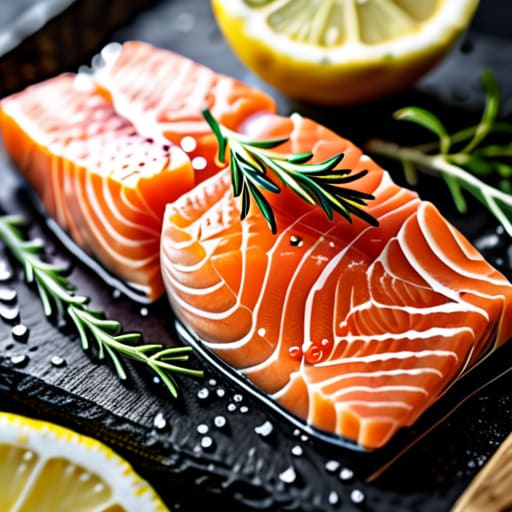
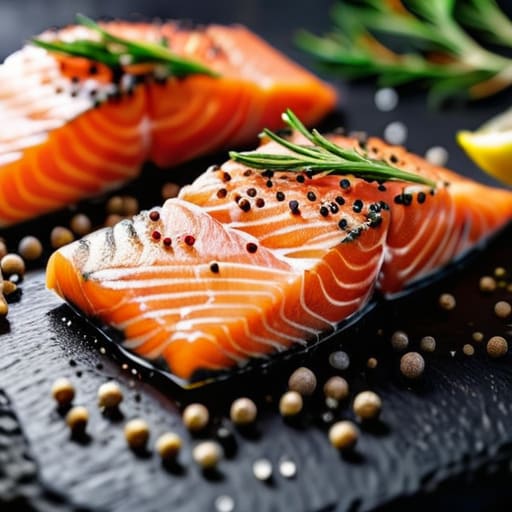
If you’re staring at the seafood counter feeling paralyzed, let’s simplify the decision matrix. For anyone starting out, the best fish for beginners is salmon or halibut. Salmon is incredibly forgiving; it has enough fat to stay moist even if you overcook it by a minute. Halibut is sturdier and holds its shape well, making it much harder to turn into a pile of flakes. Avoid anything overly delicate like sole or flounder until you’ve mastered your heat control.
Regarding the big debate of fresh vs. frozen, here is my take: don’t let the “fresh is king” myth add unnecessary stress to your grocery run. In many cases, high-quality frozen fillets are actually superior because they were flash-frozen at peak freshness. When using frozen fish, the secret to success is a slow thaw in the fridge overnight—never use a microwave unless you want rubbery textures. Once thawed, the most important thing is to pat the fillets bone-dry with paper towels. This is the single most effective way of preventing fish from sticking to the pan and ensuring you get that golden-brown crust instead of a gray, steamed mess.
Mastering How to Season Seafood Without the Kitchen Chaos
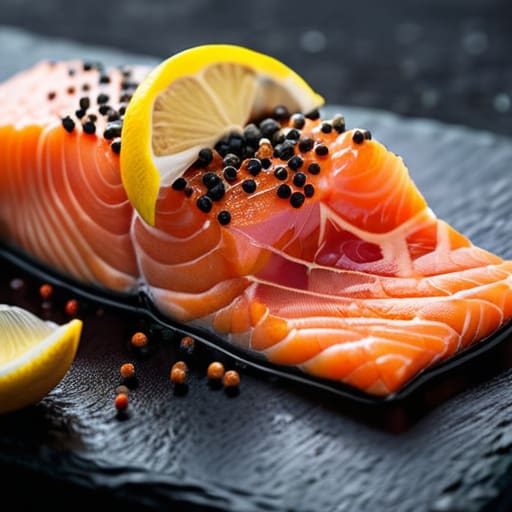
Most people treat seasoning like they’re auditioning for a cooking show, dumping exotic spice blends onto a fillet and hoping for the best. That’s a recipe for a cluttered pantry and a confused palate. When you’re figuring out how to season seafood without turning your kitchen into a disaster zone, simplicity is your best friend. Stick to the basics: kosher salt, freshly cracked black pepper, and perhaps a squeeze of lemon or a dusting of smoked paprika. If you try to use twelve different spices, you aren’t cooking; you’re just masking the flavor of the fish you paid good money for.
The real chaos, however, happens at the stove. If you want to avoid the dreaded “scraping the blackened bits off the pan” ritual, you need to focus on preventing fish from sticking to the pan. First, pat your fillets bone-dry with paper towels; moisture is the enemy of a good sear. Second, make sure your pan is actually hot before the fish hits the oil. I don’t have the mental bandwidth for a kitchen full of smoke and stuck-on protein. Get the heat right, keep the spice list short, and you’ll actually enjoy the process.
Five Rules to Stop Ruining Your Dinner
- Pat it dry. I cannot stress this enough. If your fish is damp when it hits the pan, it’s going to steam instead of sear, and you’ll end up with a gray, mushy mess. Use paper towels and press down firmly until that skin is bone-dry.
- Stop the constant flipping. Once you put the fish in the pan, leave it alone. Every time you lift the spatula to check on it, you’re dropping the temperature and risking the fillet breaking apart. Let the heat do the work; it will practically tell you when it’s ready to flip by releasing from the pan naturally.
- Use a meat thermometer, not your intuition. I know, it feels like “cheating,” but guessing if a piece of salmon is done is a fast track to a dry, overcooked dinner. Pull it off the heat when it hits 125°F-130°F for a medium center. It’ll carry over to perfection while you’re plating.
- Don’t crowd the pan. If you’re trying to cook three fillets at once in a small skillet, you’re just inviting a temperature drop that leads to uneven cooking. Give the fish breathing room so the moisture can evaporate quickly.
- Salt at the right time. If you salt your fish too early and let it sit, the salt draws out moisture, which ruins that crispy texture we’re aiming for. Salt it right before it hits the heat, or immediately after it comes out of the pan.
The Bottom Line for Tuesday Night Seafood
Buy frozen if you aren’t cooking it tonight; it’s often higher quality than the “fresh” fish sitting in a grocery display, and it eliminates the stress of a race against spoilage.
Stop searching for complex spice blends; a heavy hand with salt, a squeeze of lemon, and a reliable fat like butter or olive oil will do 90% of the heavy lifting.
Focus on the heat, not the clock; high heat for a quick sear prevents the “mushy fish” disaster and keeps your kitchen cleanup from turning into a second job.
The Philosophy of the Pan
Cooking fish isn’t about mastering a dozen delicate French techniques; it’s about managing heat and respecting the protein so you aren’t stuck scrubbing a burnt pan or eating something rubbery while your dinner gets cold.
Diane Sterling-Voss
Stop Overthinking the Pan
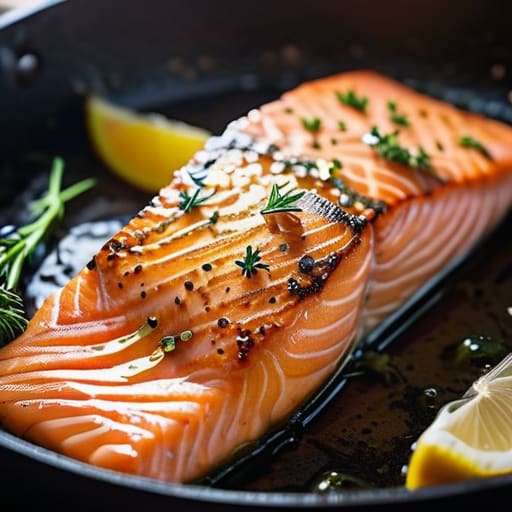
At the end of the day, cooking fish isn’t about mastering a culinary degree; it’s about managing your variables. You’ve got the right fish in the pan, you aren’t drowning it in unnecessary spices, and you’ve finally stopped treating a piece of salmon like it’s a high-stakes laboratory experiment. Remember: buy what’s available, season it with purpose, and use high heat to get that crust without the stress. If you can handle a simple pan-sear or a quick oven roast without turning your kitchen into a disaster zone, you’ve already won the battle. It’s about eliminating the friction between being hungry and actually eating something decent.
My goal isn’t to turn you into a Michelin-star chef who spends four hours prepping a single fillet. That’s not sustainable, and frankly, it’s a waste of your evening. I want you to have a reliable system that works when you’re tired, when the fridge is nearly empty, and when you just need a high-protein meal that doesn’t require a dishwashing marathon. Once you strip away the pretension and the complex techniques, you’ll realize that good food is just about smart execution. Now, get out of the kitchen, enjoy your meal, and go do something that actually matters.
Frequently Asked Questions
How do I actually tell when the fish is done without a thermometer or a bunch of complicated tests?
Stop obsessing over internal temperatures. If you want to know if it’s done, use the fork test. Take a fork and gently press down on the thickest part of the fillet. If the flesh flakes apart easily along those natural lines, it’s ready. If it feels rubbery or resists you, give it another two minutes. It’s not rocket science; if it looks opaque and flakes, eat. Move on with your evening.
Is it worth the extra money to buy "wild-caught," or is that just clever marketing?
Look, I don’t have time for marketing fluff, and neither do you. Is “wild-caught” better? Usually, yes—it tends to have a more robust flavor and a better texture because the fish actually had to work for its dinner. But if you’re on a budget, don’t feel guilty about buying high-quality frozen farmed fillets. Just check the labels. If you can afford the premium, go wild; if not, just ensure it’s clean and well-sourced.
What’s the best way to get rid of that lingering fish smell in my kitchen without scrubbing for an hour?
Don’t waste your evening scrubbing. The smell usually clings to the air and your surfaces, not just the pan. First, toss the scraps directly into a sealed bag in the outdoor bin—don’t let them sit in your kitchen trash. Next, simmer a small pot of water with a few slices of lemon or a splash of vinegar on the stove for ten minutes. It neutralizes the odor better than any aerosol spray. Simple, effective, done.