I’m so tired of seeing “sugar detox” influencers peddling $80 charcoal lemonades and complex, three-week elimination protocols that require a PhD in nutrition just to follow. If you think you need to overhaul your entire pantry and live on celery stalks to see results, you’ve already lost the battle against friction. Most of these wellness gurus make things unnecessarily difficult, but learning how to reduce sugar in your diet shouldn’t feel like a second full-time job. It’s not about perfection or expensive supplements; it’s about identifying the leaks in your current system and plugging them with minimal effort.
I’m not here to give you a lecture or a list of impossible restrictions. Instead, I’m going to share the battle-tested, low-maintenance adjustments I used to stabilize my own energy levels without turning my kitchen into a laboratory. We are going to focus on high-leverage swaps and subtle habit shifts that actually work in the messy reality of a busy workday. No fluff, no hype—just a straightforward blueprint for cutting back without ruining your Tuesday.
Table of Contents
Spotting Hidden Sugars in Processed Foods Without a Lab
You don’t need a chemistry degree to figure out what’s actually in your pantry, but you do need to stop trusting the marketing on the front of the box. Food companies are masters of camouflage; they’ll slap a “heart-healthy” or “all-natural” label on a box of cereal that is essentially a candy bar in disguise. The real truth is always in the fine print. When you’re learning how to read nutrition labels for sugar, your first move should be to ignore the “Total Sugars” line for a second and hunt for the ingredient list.
If you see words ending in “-ose”—like maltose, dextrose, or fructose—you’ve found the culprit. They also love to hide it under names like barley malt, agave nectar, or rice syrup to make it sound less processed. I’ve spent years optimizing workflows, and the most efficient way to handle this is to adopt a simple rule: if the sugar is in the first three ingredients, put it back on the shelf. It’s not about being perfect; it’s about spotting those hidden sugars in processed foods before they hit your grocery cart.
Mastering How to Read Nutrition Labels for Sugar Fast
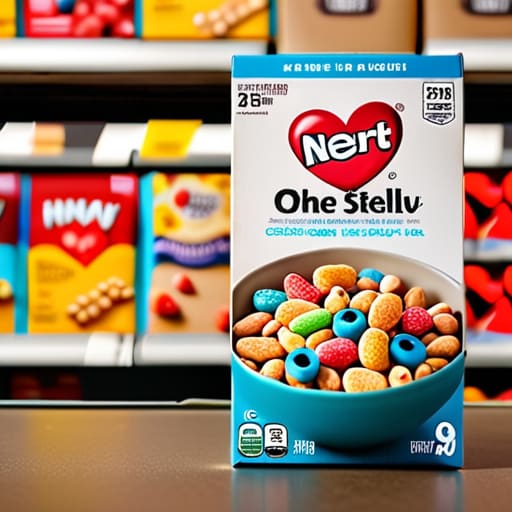
Don’t let the marketing on the front of the box fool you. “All Natural” or “Heart Healthy” are often just expensive ways to distract you from the fine print. When you’re standing in the grocery aisle, stop looking at the colorful claims and flip the package over. To truly master how to read nutrition labels for sugar, you need to ignore the “Total Sugars” line for a moment and hunt down the ingredients list. This is where the real story is told.
Manufacturers love to use a dozen different aliases to keep the sugar count looking low. If you see anything ending in “-ose”—like fructose, dextrose, or maltose—or words like syrup, nectar, or maltodextrin, you’re looking at a spike in disguise. I’ve learned that if a sweetener is in the first three ingredients, it’s a non-starter. My rule of thumb is simple: if you can’t pronounce it or it sounds like something you’d use to pave a driveway, put it back. It’s about finding the path of least resistance to a cleaner pantry without needing a degree in biochemistry.
Five Low-Friction Swaps to Lower Your Sugar Intake
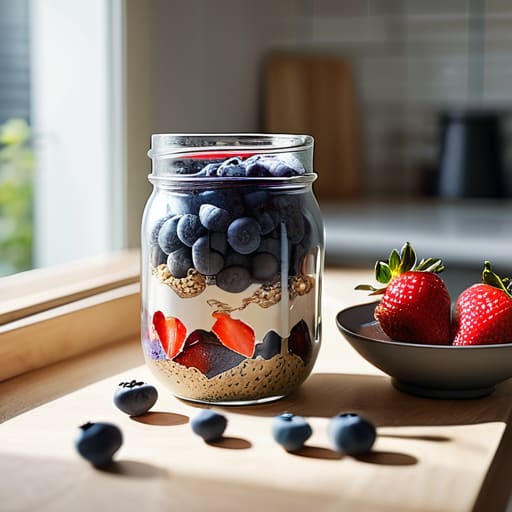
- Stop fighting your cravings with willpower; just swap your morning sweetened yogurt for plain Greek yogurt and throw a handful of berries in there. You get the texture without the glucose spike.
- Audit your liquid intake. If you’re drinking juice or soda, swap one of them for sparkling water with a squeeze of lime. It’s a one-second decision that removes a massive amount of unnecessary sugar from your day.
- Keep a “buffer” snack in your bag—something like raw almonds or a hard-boiled egg. Most sugar binges happen when your blood sugar crashes and you grab the first convenient, processed thing you see.
- Simplify your pantry by ditching the “low-fat” versions of dressings and sauces. Usually, when companies strip out the fat, they replace it with sugar to make it palatable. Stick to the full-fat, simple versions instead.
- Don’t aim for a total overhaul by Monday morning. Just pick one meal—maybe breakfast—and commit to making it sugar-free for a week. It’s much easier to build a system when you aren’t trying to rebuild your entire life at once.
The Low-Friction Approach to Sugar Reduction
Stop chasing perfection; focus on the big wins, like swapping your morning soda for sparkling water or cutting out one processed snack a day.
Don’t get bogged down by every single ingredient; scan for the “usual suspects” like high fructose corn syrup or cane sugar in the first three items on the list.
Build systems, not willpower—keep fruit on the counter and avoid buying the sweet stuff in the first place so you aren’t fighting cravings when you’re tired on a Tuesday night.
The Efficiency of Less
Stop trying to overhaul your entire pantry overnight; that’s a recipe for burnout. Real change isn’t about willpower, it’s about reducing the number of decisions you have to make when you’re tired on a Tuesday night.
Diane Sterling-Voss
The Long Game

At the end of the day, reducing sugar isn’t about achieving some impossible level of dietary perfection or spending your entire weekend prepping organic kale salads. It’s about the systems we discussed: knowing how to scan a label in ten seconds and recognizing that “natural” doesn’t always mean “low sugar.” If you can master the art of spotting the hidden additives and making small, strategic swaps—like trading that flavored yogurt for plain Greek with a handful of real berries—you’ve already won the biggest battles. Focus on reducing the friction of making better choices rather than trying to overhaul your entire pantry overnight.
I know how exhausting it is to feel like you’re constantly fighting against a food industry designed to keep you hooked. But remember, this isn’t a sprint, and you don’t have to be perfect to see the benefits. If you slip up and grab a sugary latte on a stressful Wednesday, don’t let it derail your entire week. Just get back to your baseline. The goal is sustainable momentum, not a flawless record. Build a system that works for your actual life, not some idealized version of it, and you’ll find that the energy you reclaim is well worth the effort.
Frequently Asked Questions
What should I eat when the sugar cravings actually hit mid-afternoon?
When that 3:00 PM crash hits, don’t reach for the vending machine; that’s just setting yourself up for a blood sugar rollercoaster. I keep a stash of raw almonds or walnuts at my desk for a reason. The fat and protein provide actual satiety, not just a temporary spike. If you need something sweet, go for a handful of berries or a square of 85% dark chocolate. It satisfies the craving without the inevitable brain fog.
Is it worth the effort to cook everything from scratch, or are there better shortcuts?
Look, if you try to cook every single meal from scratch, you’ll burn out by Wednesday. That’s not a system; it’s a second job. I advocate for “strategic assembly” instead. Buy the pre-washed greens, the rotisserie chicken, and the frozen organic veggies. Use them as building blocks. The goal isn’t culinary perfection; it’s minimizing the friction between being hungry and being fed. Focus your energy on the ingredients that actually impact your health.
How do I handle social situations or dining out without feeling like the person making it difficult?
The trick is to stop treating a menu like a minefield and start treating it like a set of variables. Don’t wait until the server is standing there, pen poised, to decide. Scan the menu before you even leave the house. If you see a high-sugar option that looks tempting, just swap the glaze for olive oil or ask for dressing on the side. It’s not being “difficult”; it’s just managing your inputs.