I’m going to say something that might ruffle some feathers in the “wellness” community: most of the advice you find online about how to prep vegetables is complete and utter nonsense. I’m talking about the influencers telling you that you need a $400 professional-grade mandoline, a dozen specialized glass containers, and three hours of your Sunday to “optimize” your nutrition. If a system requires that much setup just to eat a salad, it isn’t a system—it’s a second job. I spent fifteen years in corporate operations managing complex logistics, and if there is one thing I learned, it’s that complexity is the enemy of execution.
I’m not here to sell you on a lifestyle overhaul or a mountain of expensive kitchen gadgets. My goal is to give you a battle-tested framework for prepping food that actually fits into a Tuesday afternoon when you’re exhausted and just want to eat. We are going to focus on high-impact, low-effort movements that minimize waste and maximize your mental bandwidth. This is about practicality over perfection, ensuring you actually have something edible ready to go when life inevitably gets messy.
Table of Contents
- Mastering Knife Skills for Vegetable Chopping Without the Drama
- Essential Kitchen Tools for Vegetable Prep That Actually Matter
- Five ways to prep without turning your kitchen into a disaster zone
- The bottom line on efficient prep
- The reality of kitchen efficiency
- Stop Overthinking the Prep
- Frequently Asked Questions
Mastering Knife Skills for Vegetable Chopping Without the Drama
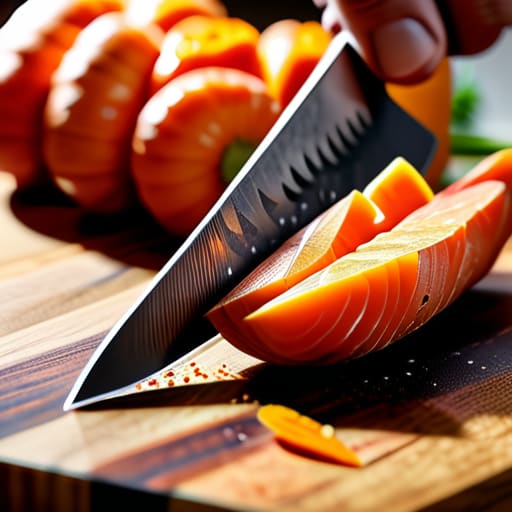
Look, you don’t need a professional culinary certification to get through a batch of carrots without losing a fingertip. Most people struggle because they treat a knife like a saw rather than an extension of their hand. If you want to improve your knife skills for vegetable chopping, stop trying to force the blade through the produce. Instead, focus on the rocking motion. Keep the tip of the knife on the board and let the weight of the blade do the heavy lifting. It’s about rhythm, not speed.
If you’re just starting out, don’t overcomplicate your setup. You don’t need a twelve-piece block; you really only need one decent chef’s knife and a stable cutting board. A pro tip for stability: place a damp paper towel under your board so it doesn’t slide around while you’re working. Once you’ve mastered the basic claw grip to keep your knuckles tucked away, you’ll find that the whole process stops feeling like a chore and starts feeling like a system. It’s less about being a chef and more about minimizing the friction of your evening routine.
Essential Kitchen Tools for Vegetable Prep That Actually Matter
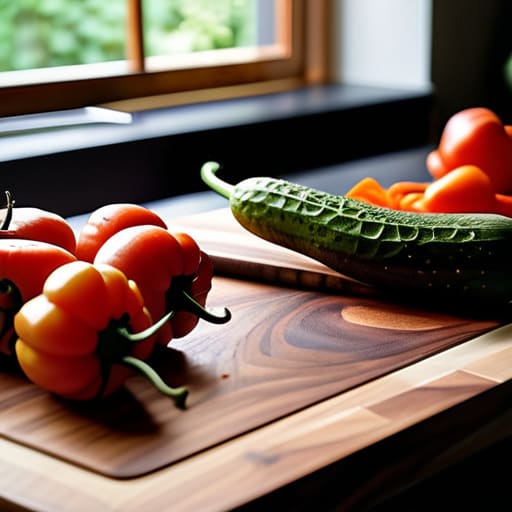
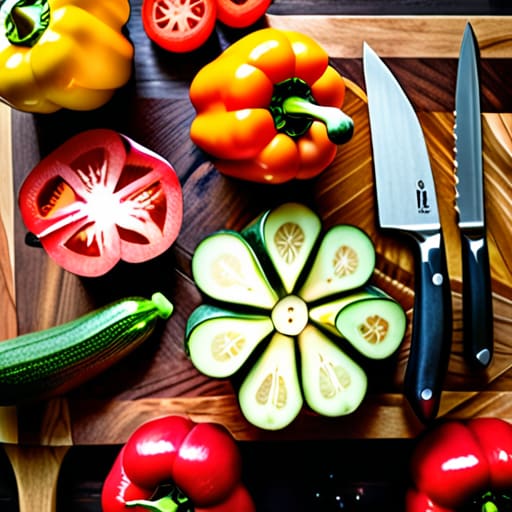
Look, you don’t need a twelve-piece gadget set from a late-night infomercial to get this done. Most of those “specialty” slicers just take up drawer space and end up in the back of the cabinet by next Tuesday. If you want to streamline your workflow, you really only need three things: a decent chef’s knife, a heavy wooden cutting board, and a large, sturdy mixing bowl. A lightweight plastic board will slide around the counter like a hockey puck, and frankly, that’s how accidents happen. Get something with some actual weight to it.
As for the rest, skip the fancy mandolines unless you genuinely enjoy the risk of losing a fingertip. If you’re just starting out, focus on mastering a few basic vegetable cutting techniques for beginners using that one good knife. Once you’ve done the heavy lifting, the real secret to efficiency is how you transition to the next step. Knowing how to wash vegetables properly before you start chopping—rather than trying to scrub them in a pile of half-cut onions—will save you a massive amount of cleanup time later. Keep it simple, keep it sharp, and keep it functional.
Five ways to prep without turning your kitchen into a disaster zone
- Stop prepping for the whole week on Sunday. If you’re prepping everything at once, you’re just creating a massive amount of waste and a mountain of dishes. Instead, prep for the next 48 hours. It keeps the produce fresher and the mental load manageable.
- Group your veggies by “shelf life” rather than by meal. Carrots, onions, and peppers can sit in a container for a few days, but leafy greens and herbs are on a much tighter clock. Don’t treat them all the same, or you’ll be throwing half of them in the compost by Thursday.
- Use the “dry container” rule for anything that shouldn’t be soggy. If you’re prepping cucumbers or radishes, put a paper towel in the container. It absorbs the excess moisture that usually turns your hard work into a slimy mess by Wednesday afternoon.
- Don’t bother with fancy containers for everything. If you’ve chopped a bunch of celery or carrots, a simple glass jar is often better than a plastic tub. It keeps them submerged slightly or just better protected, and it’s easier to grab from the fridge.
- Clean as you go, or don’t bother prepping at all. There is nothing more demoralizing than finishing a productive prep session only to realize you have a sink full of peels, scraps, and dirty knives. Wash the cutting board while the onion is resting; it takes ten seconds and saves you a twenty-minute cleanup later.
The bottom line on efficient prep
Don’t aim for professional chef precision; aim for uniform sizes so everything cooks at the same rate and you can actually eat.
Invest in one decent knife and one heavy cutting board, then stop browsing kitchen gadget catalogs for things you’ll never use.
Prep only what you can actually use within three days; throwing away wilted, pre-cut scraps is the opposite of efficiency.
The reality of kitchen efficiency
Stop trying to turn your kitchen into a Michelin-star station; the goal isn’t aesthetic perfection, it’s having a container of chopped peppers ready to go so you don’t end up ordering takeout because you’re too tired to chop.
Diane Sterling-Voss
Stop Overthinking the Prep
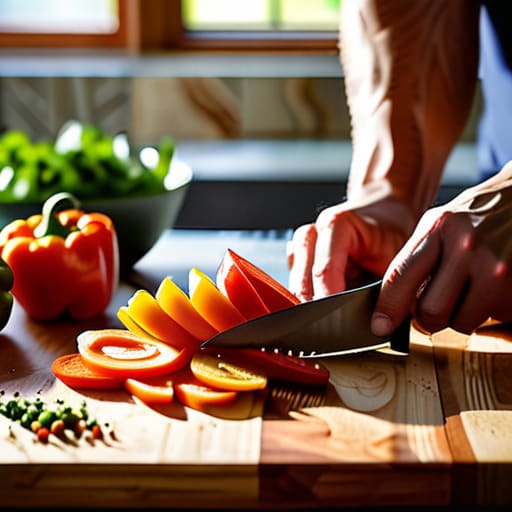
At the end of the day, vegetable prep isn’t about achieving culinary perfection or having a kitchen that looks like a spread from a lifestyle magazine. It’s about reducing the friction between being hungry and actually eating. You don’t need a professional-grade knife roll or a twenty-step ritual; you just need a sharp blade, a stable cutting board, and the willingness to chop what you actually need for the next few days. If you focus on decent knife skills and keep your tools functional rather than fancy, you’ve already won half the battle. The goal is to move through the kitchen with intention, not to turn every Tuesday night into a high-stakes production.
My advice is to let go of the idea that there is a “right” way to do this. There is only the way that works for your schedule and your sanity. Once you have a basic system in place, you’ll find that the mental load of “what’s for dinner” starts to evaporate. Don’t let the pursuit of an optimized kitchen become another chore on your to-do list. Just get the vegetables ready, get them into the pan, and reclaim your evening. Life is far too messy to spend it worrying about whether your carrots are perfectly uniform. Just eat, enjoy the food, and move on to something better.
Frequently Asked Questions
How long can I actually keep these chopped veggies in the fridge before they turn into a sad, slimy mess?
Look, I’m not going to tell you they stay fresh for a week. That’s a lie that leads to wasted money and a science experiment in your crisper drawer. Most chopped hardy veg—carrots, celery, peppers—will hold up for about three to four days if they’re in airtight containers. Leafy greens are more temperamental; aim to use them within two. If they look limp or smell off, toss them. Don’t fight the biology.
Do I really need to buy specialized containers, or will standard Tupperware get the job done?
Look, don’t fall for the marketing trap. You don’t need a $50 set of “specialized” modular containers to keep your carrots fresh. If your Tupperware seals tightly and fits in your fridge, it’s doing its job. My only real rule: use glass whenever possible. It doesn’t hold onto smells, it won’t stain from a rogue beet, and it’s easier to clean. Save your money for better produce; the containers are secondary.
Is it worth the extra effort to prep everything on Sunday, or should I just do it as I go?
Look, the “Sunday Meal Prep” trend is often a trap. If you spend four hours on Sunday chopping celery just to watch it turn into a limp, watery mess by Thursday, you haven’t optimized anything—you’ve just wasted an afternoon. I prefer a hybrid approach: prep the high-friction items that stay fresh (onions, carrots, hardy greens) and do the rest as you go. Don’t build a system that creates more chores.