I am so tired of seeing “budget-friendly meals” presented as these elaborate, five-hour Sunday meal prep marathons involving twenty different glass containers and a grocery list that looks like a chemistry textbook. If I wanted to spend my entire weekend managing a supply chain just to avoid a slightly higher grocery bill, I’d go back to my old corporate operations job. The truth is, most of these influencer recipes are just expensive meals in disguise, masquerading as savings while they demand you buy niche spices and organic microgreens you’ll never use again.
I’m not here to sell you on a lifestyle overhaul or a complicated system that requires more mental bandwidth than it actually saves. Instead, I’m going to give you the battle-tested basics—the kind of efficient, low-friction eating strategies I use when my own schedule is collapsing. We’re going to focus on high-yield, low-effort combinations that actually work in the messy reality of a busy week. No fluff, no unnecessary ingredients, just straightforward ways to eat well without draining your bank account or your sanity.
Table of Contents
Low Cost Grocery Shopping Tips That Actually Save Time

Stop treating your grocery run like a scavenger hunt. If you’re wandering aimlessly through the aisles hoping to find a deal, you’re already losing time and money. The most effective way to handle low cost grocery shopping tips isn’t about clipping digital coupons; it’s about a rigid, pre-determined list. I never enter a store without a plan based on what I already have in my cupboards. This prevents that mid-aisle paralysis where you grab a random, expensive ingredient just because you’re hungry and tired.
Instead of chasing sales on niche items, focus your budget on economical pantry staples like dried lentils, rice, and canned tomatoes. These are the workhorses of a functional kitchen. They don’t spoil, they cost pennies per serving, and they form the foundation for almost any meal. If you build your shopping list around these reliable bases, you aren’t just saving money on groceries; you’re removing the mental load of deciding what to cook every single night. Stick to the perimeter of the store, buy what you actually eat, and get out.
Economical Pantry Staples to Keep in Your Kitchen
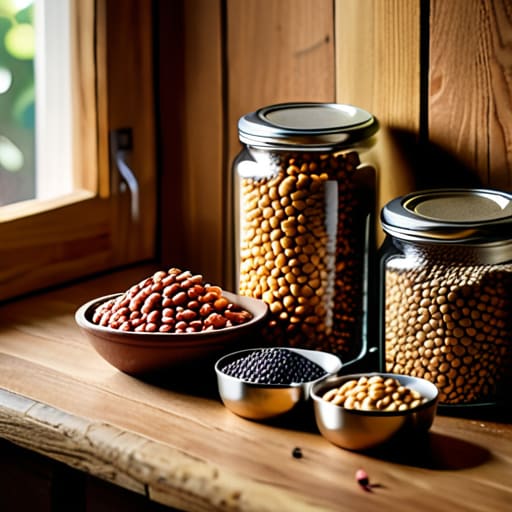
The secret to not staring blankly at the fridge at 6:00 PM is having a foundation of economical pantry staples that don’t require a culinary degree to use. I’m talking about the heavy hitters: dried lentils, canned beans, brown rice, and oats. These aren’t just “cheap” foods; they are the building blocks of a functional kitchen. If you have a bag of quinoa or a tin of chickpeas, you’re already halfway to a decent meal. They have a long shelf life, which means less food waste and more money staying in your bank account.
Don’t get caught up in the “superfood” hype that costs twenty dollars a jar. Real efficiency comes from versatility. A large jar of peanut butter, some pasta, and a few cans of crushed tomatoes can get you through a week of decent dinners without breaking a sweat. This isn’t about deprivation; it’s about strategic inventory management. When you master these basics, you’re not just eating; you’re building a system that makes eating well on a tight budget feel like second nature rather than a constant struggle.
Five Low-Friction Ways to Keep Your Food Costs Down
- Stop buying pre-cut produce. I know, it’s a tempting way to shave ten minutes off your evening, but you’re paying a massive markup for someone else to use a knife. Buy the whole head of broccoli or the bag of carrots; it’s cheaper, and honestly, the five minutes of chopping is a decent mental reset.
- Embrace the “component” method of cooking. Instead of following complex recipes that require five niche spices you’ll never use again, cook large batches of versatile bases—like a big pot of rice, roasted sweet potatoes, or seasoned black beans. You can pivot them into different meals throughout the week without starting from scratch every single night.
- Treat frozen vegetables as a strategic asset, not a last resort. They are picked at peak ripeness, they don’t rot in your crisper drawer after three days, and they are significantly cheaper than fresh out-of-season produce. They’re perfect for stir-frys, soups, or just throwing into a grain bowl when you’re too tired to cook.
- Audit your “convenience tax.” If you find yourself buying pre-marinated meats or bagged salads every single week, you’re bleeding money. Keep a few basic seasonings on hand and do the minimal amount of prep yourself. It’s a small shift in your workflow that shows up in your bank account by the end of the month.
- Master the art of the “fridge forage” once a week. Before you head to the store, look at what’s actually left in your pantry and fridge. Most of the time, you can stretch those leftovers into a decent omelet, a pasta dish, or a quick soup. It prevents waste and saves you from that mid-week impulse trip to the grocery store.
The Bottom Line for Your Wallet and Your Sanity
Stop treating grocery shopping like a scavenger hunt; stick to a list based on your pantry staples to avoid impulse buys that just rot in the crisper drawer.
Prioritize versatile, low-cost ingredients like beans, grains, and frozen vegetables that can be repurposed across multiple meals rather than buying niche items for one-off recipes.
Aim for “functional” eating over “perfect” eating—it’s better to have a predictable, cheap meal you actually eat than a complex, expensive one that ends up in the trash.
The Reality of Budget Cooking
Stop trying to replicate a five-course tasting menu on a grocery store budget; true efficiency is about building a rotation of reliable, high-protein meals that don’t require a spreadsheet to execute.
Diane Sterling-Voss
The Bottom Line
At the end of the day, eating well on a budget isn’t about following a rigid, complicated blueprint that requires a degree in nutrition and a mountain of Tupperware. It’s about the small, tactical shifts we discussed: shopping with a sense of purpose, leaning heavily on those versatile pantry staples, and refusing to let grocery store marketing dictate your cart. When you stop chasing every trendy superfood and start focusing on functional ingredients that actually fill you up, the mental load of “what’s for dinner” starts to lift. You don’t need a gourmet kitchen or a massive paycheck; you just need a repeatable system that works when your energy is low and the clock is ticking.
I know how it feels when the sheer logistics of feeding yourself feels like another full-time job you never applied for. But remember, the goal here isn’t perfection—it’s sustainability. If you end up ordering takeout once a week because you’re too exhausted to even look at a pan, that’s fine. Don’t let the pursuit of a “perfectly optimized” kitchen become another source of friction in your life. Just pick one or two of these strategies and start there. Once you prove to yourself that you can manage the chaos of a Tuesday night without breaking the bank, you’ll find you have a little more breathing room for the things that actually matter.
Frequently Asked Questions
How do I keep things interesting so I don't end up eating the exact same three meals every single week?
The “flavor profile shuffle” is my go-to. You don’t need new recipes; you just need new directions. If you have a base of roasted chicken and rice, switch the seasoning. One week it’s lemon and oregano; the next, it’s soy sauce and ginger. Use your pantry staples to pivot. A bag of lentils and some cumin can turn last night’s leftovers into a completely different meal. Keep the mechanics the same, just change the vibe.
Is it actually cheaper to buy in bulk, or am I just wasting money on stuff that's going to expire before I use it?
Bulk buying is a trap if you don’t have a system. If you’re buying a massive bag of quinoa that sits in your pantry for six months, you haven’t saved money; you’ve just pre-paid for waste. Only buy in bulk for non-perishables you use weekly—think rice, beans, or coffee. For everything else, stick to smaller quantities. If it doesn’t have a high turnover rate in your house, leave the bulk bin alone.
What’s the best way to meal prep without spending my entire Sunday stuck in the kitchen?
Stop trying to cook five different recipes on Sunday. That’s not meal prepping; that’s a second job. Instead, focus on component prepping. Roast two trays of vegetables, boil a big batch of grains, and prep one versatile protein—like shredded chicken or seasoned beans. You aren’t building finished meals; you’re building a library of ingredients. On Tuesday night, you just grab a component from each category, toss them in a bowl, and you’re done.