We’ve all been there: it’s 6:15 PM, your brain is fried from a day of decision fatigue, and the last thing you want to do is wrestle with a complex recipe that requires twelve specialized ingredients and an hour of prep. Most “comfort food” advice online feels like a chore in disguise, demanding way too much mental bandwidth when you’re already running on empty. I’m not interested in culinary theater; I’m interested in survival and satisfaction. When life gets loud, you need easy comfort food recipes that actually deliver on their promise without turning your kitchen into a disaster zone.
In this guide, I’m stripping away the fluff to give you five battle-tested, low-friction meals. These aren’t just ideas; they are functional systems for your dinner hour. I’ve selected these specific options because they require minimal cleanup, use pantry staples you likely already own, and—most importantly—they actually taste like home. By the time you finish reading, you’ll have a reliable rotation of meals that solve the “what’s for dinner” crisis without the unnecessary stress. Let’s get to work.
Table of Contents
The One-Pan Roasted Sausage and Veggie Toss
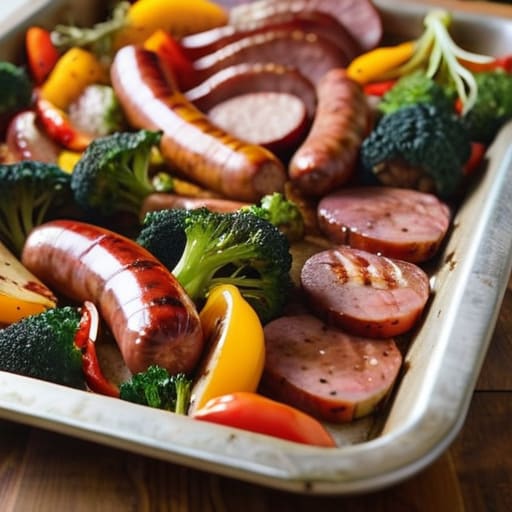
When my brain is fried from a day of troubleshooting client workflows, the last thing I want to do is stand over a stove scrubbing multiple pans. This is my go-to because it relies entirely on minimal cleanup. You just chop up some smoked sausage, bell peppers, onions, and broccoli, toss them in olive oil and dried oregano on a sheet pan, and let the oven do the heavy lifting.
Adult Grilled Cheese and Tomato Soup

We’ve all been there—it’s late, the house is quiet, and you just need something that feels like a hug. I don’t bother with complicated gourmet recipes when I’m tired; I go for a high-quality grilled cheese. The trick to making this feel like a real meal rather than a snack is using a sharp cheddar or gruyère and sourdough bread. It provides enough structural integrity to make the experience feel intentional.
Sheet Pan Pesto Chicken and Gnocchi
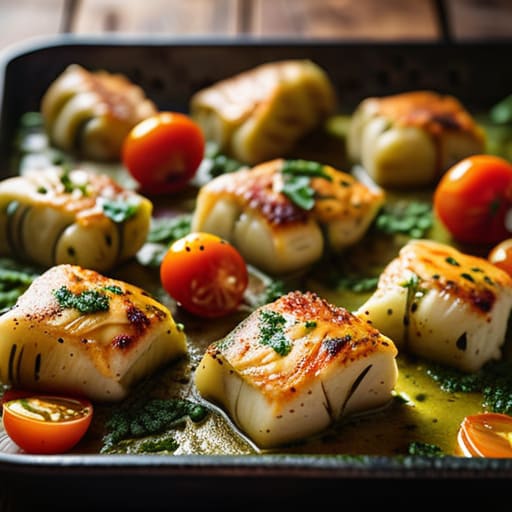
Most people think gnocchi has to be boiled, which adds an extra step and another pot to wash. I’ve found that roasting shelf-stable gnocchi straight from the package is a complete game changer. You toss the dry gnocchi with cherry tomatoes, chicken thighs, and a few dollops of jarred pesto on a baking sheet. The gnocchi gets slightly crispy on the outside while remaining pillowy on the inside.
Slow Cooker Beef Stew
I’m a big believer in “set it and forget it” systems, and a slow cooker is the ultimate tool for this. If I know a Tuesday is going to be particularly draining, I prep a beef stew on Monday night or early Tuesday morning. You throw beef chunks, carrots, potatoes, and a carton of beef broth into the pot, season it heavily, and walk away.
Loaded Baked Potato Bar
This is my favorite way to manage “fridge fatigue”—that moment when you have random ingredients but no cohesive plan. Instead of forcing a recipe, you simply bake a few large russet potatoes and set out whatever you have on hand. I usually keep shredded cheese, sour cream, and maybe some frozen broccoli or pre-cooked bacon bits in the fridge for exactly this purpose.
The Bottom Line
Stop chasing culinary perfection; when you’re drained, a warm bowl of something simple is a win, not a failure.
Build your pantry around high-quality staples that do the heavy lifting for you so you aren’t starting from scratch every single night.
Efficiency in the kitchen isn’t about fancy gadgets—it’s about choosing recipes that respect your limited time and mental bandwidth.
The Philosophy of the Tuesday Night Meal
“Comfort food shouldn’t require a culinary degree or a three-hour window of uninterrupted time; it should be a reliable system that feeds your soul without draining your remaining mental bandwidth.”
Diane Sterling-Voss
The Bottom Line
At the end of the day, these recipes aren’t about culinary perfection or impressing anyone on Instagram. They are about reducing the cognitive load that comes with deciding what to eat when your brain is already fried. Whether you’re leaning on a one-pot pasta or a simple grilled cheese, the goal is to achieve a result that satisfies without requiring a deep dive into a cookbook or an hour of prep work. Stick to these basics, keep the ingredients in your pantry, and stop overcomplicating the process. The most effective system is the one that actually gets you fed without adding more stress to your evening.
We spend so much of our lives trying to optimize every single second, but sometimes the most productive thing you can do is simply embrace the simplicity. Don’t feel guilty for choosing the low-effort route; you are reclaiming your time and your mental bandwidth for things that actually move the needle. Food should fuel you, not drain you. So, pick one of these, turn off the news, and just enjoy the meal. You’ve earned a little bit of quiet in the middle of the chaos.
Frequently Asked Questions
How can I make these meals even faster if I'm starting from zero prep?
If you’re starting from zero, stop trying to “prep” and start “assembling.” Skip the chopping. Buy the pre-washed greens, the jarred garlic, and the rotisserie chicken. If a recipe calls for sautéing onions, just use the frozen kind. My rule is simple: if the friction of prep is going to stop you from eating, buy the version that’s already done. It’s not cheating; it’s prioritizing your sanity over a little extra knife work.
Are there ways to scale these recipes up for meal prepping without losing the texture?
Scaling up usually fails when people try to cook everything in one massive pot; you end up with mush. If you’re prepping for the week, cook in batches using separate pans to maintain surface area and heat control. For anything with a sauce, undercook your starch by about 20%. It’ll absorb the moisture during reheating without turning into a textural nightmare. It’s more effort upfront, but it saves your sanity on Thursday.
What are the best pantry staples I should keep on hand to make these work on a whim?
Don’t overcomplicate this. You don’t need a gourmet pantry; you need a functional one. Keep high-quality olive oil, dried pasta, canned beans, and better-than-average stock on hand. If you have garlic, onions, and a decent jar of red pepper flakes, you can turn those basics into a meal in ten minutes. The goal isn’t variety; it’s having a reliable foundation so you aren’t staring blankly at an empty cupboard when you’re tired.