I’m tired of seeing “gourmet” recipes that require a trip to three different specialty grocers and forty-five minutes of tedious vegetable prep just to achieve a decent base. If you follow those over-engineered guides, you’ll spend more time cleaning your kitchen than actually eating. Most people think learning how to make soup requires a culinary degree or a pantry full of expensive, niche ingredients, but that’s just manufactured friction. In my experience, the best meals aren’t the ones that demand your entire evening; they’re the ones that fit into the gaps of a busy schedule without sacrificing flavor.
I’m not here to teach you how to perform culinary theater. Instead, I’m going to give you a battle-tested framework for building deep, satisfying flavor using whatever is actually in your fridge. We’re going to focus on the core mechanics—the ratios, the heat, and the timing—so you can master the process rather than just following a script. My goal is to help you build a system where you can whip up a nutritious, warm meal in the middle of a chaotic Tuesday without the mental overhead.
Table of Contents
Mastering Vegetable Soup Fundamentals Without the Fluff
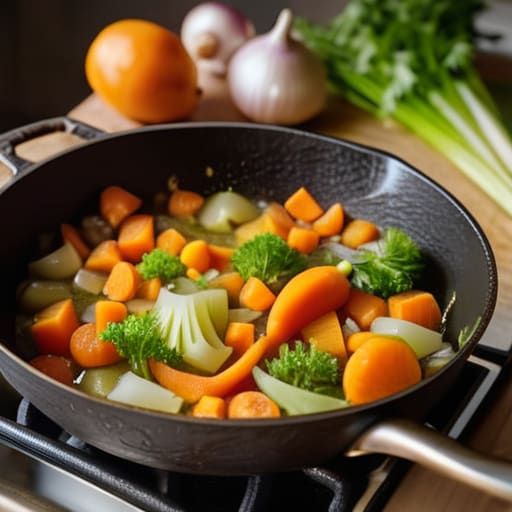
Stop overcomplicating the prep. When you’re staring at a pile of produce on a Tuesday night, you don’t need a culinary degree; you need a repeatable process. The core of vegetable soup fundamentals comes down to your aromatics and your heat management. Start by sautéing your onions, carrots, and celery—the classic mirepoix—until they’re soft, not charred. This builds a foundation of flavor that carries the entire pot. If you try to rush this by throwing everything into cold liquid at once, you’ll end up with a watery, disconnected mess rather than a cohesive meal.
Next, let’s address the liquid. I often get asked about stock vs broth for soup, and frankly, the difference is mostly about how much salt you want to manage. If you’re using a store-bought broth, go easy on the extra seasoning until the very end. As for your gear, you don’t need a kitchen full of gadgets; just one heavy-bottomed pot and a sharp knife are your essential soup cooking tools. Keep it simple, keep it functional, and let the heat do the heavy lifting while you reclaim your evening.
Stock vs Broth for Soup Choosing Your Liquid Foundation
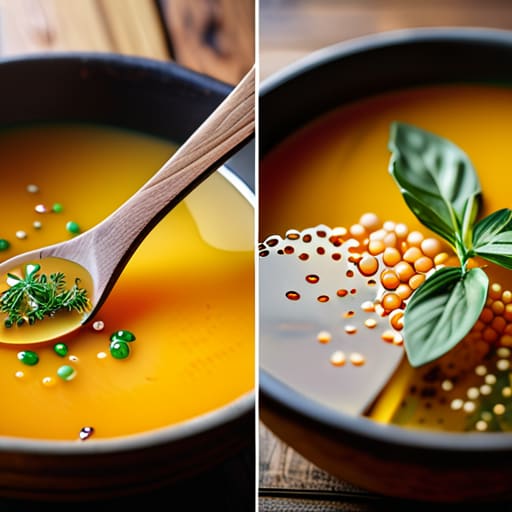
Most people treat the choice between stock and broth as a trivial grocery store decision, but it’s actually the foundation of your entire flavor profile. If you’re looking at stock vs broth for soup, think of it this way: stock is the heavy lifter. It’s usually made from bones, which gives it a richer mouthfeel and more gelatinous body. If you want a soup that feels substantial—something that actually sits heavy in your stomach in a good way—go with stock. Broth, on the other hand, is lighter and more water-based. It’s great if you want a cleaner, more delicate taste that doesn’t overwhelm your other soup base ingredients.
I personally keep a stash of high-quality, low-sodium stock in the freezer for when I’m actually in the middle of a busy week. The biggest mistake I see is people buying the pre-seasoned, salty stuff. If you start with a salty liquid, you lose all control over how to season soup later on. You’ll end up with a salt bomb that you can’t fix. Buy the unsalted stuff; it gives you the freedom to dial in the flavor exactly how you want it.
Five Rules for Soup That Won't Waste Your Evening
- Don’t bother with tiny, precise dice. If you’re making a rustic vegetable soup, just chop the pieces into manageable, uniform chunks. If they’re all roughly the same size, they’ll cook at the same rate, and you won’t spend forty minutes acting like a Michelin-star prep cook when you have actual work to do.
- Sauté your aromatics first. Before you add a single drop of liquid, get your onions, carrots, and celery in the pot with a bit of fat. Let them soften and get a little color. This builds a flavor base that prevents your soup from tasting like hot, flavored water.
- Salt in layers, not all at once. Add a little salt when you sauté the veggies, a little more when you add the liquid, and a final adjustment at the very end. It’s much easier to fix a soup that’s slightly under-seasoned than to try and rescue a salt bomb that’s already boiling.
- Use acidity to wake it up. If you taste your soup and it feels “flat” or heavy, don’t reach for the salt shaker—reach for something acidic. A squeeze of lemon juice or a teaspoon of apple cider vinegar right before serving provides the brightness that salt alone can’t achieve.
- Keep your textures intentional. If you’re adding something delicate like spinach or frozen peas, wait until the very last minute. Throwing them into a rolling boil for twenty minutes is a fast track to a depressing, grey mush that ruins the entire experience.
The Bottom Line for a Better Soup
Don’t overthink the liquid; use stock if you want depth, broth if you want ease, but never settle for plain water unless you’re prepared to season like a maniac.
Prioritize the prep over the technique—if your vegetables are chopped efficiently and your heat is controlled, the soup practically makes itself.
Stop chasing culinary perfection; the best soup is the one that’s ready when you’re hungry and doesn’t leave you with a mountain of dishes to scrub.
The Philosophy of the Pot
“A good soup isn’t about following a complex recipe or mastering French techniques; it’s about building a reliable system of layers—fat, aromatics, liquid, and time—so that even on your most chaotic Tuesday, you can produce something nourishing without having to think about it.”
Diane Sterling-Voss
The Bottom Line
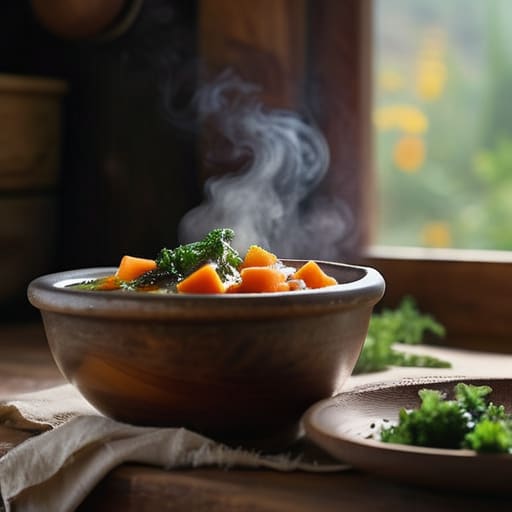
At the end of the day, making a great soup isn’t about following a rigid, complex recipe or owning a collection of specialized kitchen gadgets. It comes down to the basics we’ve covered: choosing a solid liquid foundation, prepping your vegetables efficiently, and knowing when to stop tinkering. Whether you’re using a high-quality store-bought broth to save twenty minutes or simmering your own stock for depth, the goal is to create something that actually nourishes you without turning your kitchen into a disaster zone. Remember, the best system is the one that actually gets fed into your body on a Tuesday night when you’re too tired to think.
Don’t let the pursuit of perfection become another chore on your to-do list. Soup is inherently forgiving; if a vegetable is a little too soft or the seasoning is slightly off, it’s still a warm, restorative meal. My philosophy has always been about reducing friction, and nothing reduces life’s chaos quite like a reliable, steaming bowl of something homemade. Stop overthinking the technique and just start cooking. Once you have these fundamental systems down, you’ll realize that soup isn’t just a meal—it’s a low-maintenance win for your schedule and your sanity.
Frequently Asked Questions
How do I stop my vegetables from turning into mush if I'm making a big batch for the week?
The secret is to stop treating every vegetable like it has the same stamina. If you’re batch-cooking, don’t cook everything in the pot at once. Simmer your hearty stuff—carrots, potatoes, onions—in the broth ahead of time. Then, keep a container of lightly blanched or even raw chopped veggies in the fridge. When you reheat a bowl, toss those fresh bits in at the last second. It keeps the texture intact and saves your sanity.
Can I actually use frozen vegetables, or is that a recipe for a watery disaster?
Look, I don’t have time for “fresh is best” elitism when the workday is dragging. Yes, you can use frozen vegetables, and no, it won’t be a watery disaster if you do it right. The trick is timing. Don’t toss them in at the start; they’ll turn to mush. Wait until the last fifteen minutes of simmering. They provide a massive shortcut for a Tuesday night when your mental bandwidth is already at zero.
What’s the best way to thicken a soup without adding a bunch of unnecessary flour or heavy cream?
If you want body without the heavy cream or a flour-heavy roux, skip the pantry staples and look at what’s already in your pot. My go-to is the “blender trick”: take a cup of the cooked vegetables and a bit of the broth, blitz them until smooth, and stir it back in. Alternatively, mashing a few potatoes or adding a can of rinsed white beans works wonders. It adds texture and nutrition without the sluggishness.