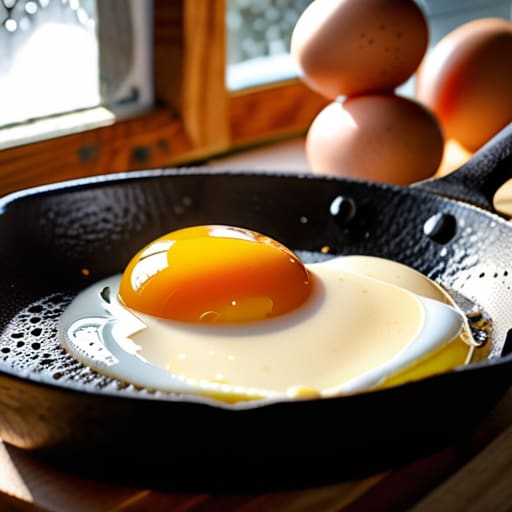
I am so tired of seeing “gourmet” egg tutorials that require a sous-vide machine, three types of artisanal salt, and twenty minutes of meditative whisking just to get a decent breakfast. If you’re looking for a way to turn a simple protein into a culinary masterpiece that takes an hour of your life, you’ve come to the wrong place. I’ve spent my career optimizing systems to remove friction, and frankly, the way people approach how to cook eggs is unnecessarily high-maintenance. We don’t need more gear; we need better workflows that respect our time and our sanity.
I’m not here to give you a lecture on French technique or expensive kitchen gadgets. Instead, I’m going to give you the battle-tested methods I use when my morning is already running twenty minutes behind and I just need something reliable. We are going to focus on the minimal viable effort required to get high-quality results every single time. No fluff, no wasted movement—just straightforward, repeatable systems for the most versatile ingredient in your fridge.
Table of Contents
Reliable Egg Cooking Temperatures for Real Life
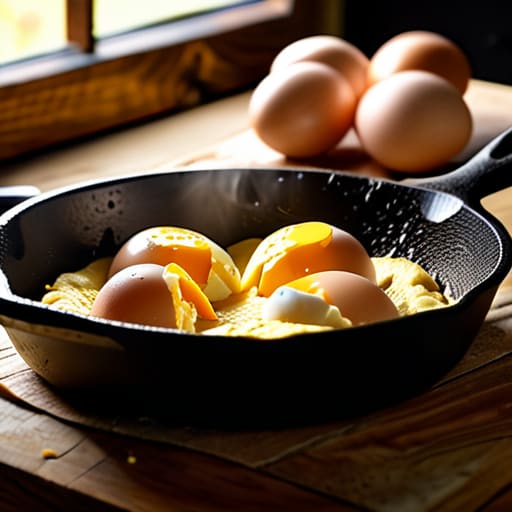
Look, we aren’t running a Michelin-star kitchen here. Most people fail at eggs because they treat temperature like a suggestion rather than a boundary. If you’re looking for the best ways to prepare eggs without the guesswork, you have to respect the heat. For scrambled eggs, the biggest mistake is high heat. If your pan is screaming, you’re going to end up with rubbery, dry clumps. Instead, aim for medium-low; you want a gentle, consistent warmth that allows the proteins to set without seizing up. This is the foundation of solid scrambled eggs texture tips—low and slow wins every single time.
When it comes to boiling, the math is actually simpler than the internet makes it out to be. Forget trying to time every second of a rolling boil; instead, focus on the residual heat. I use a standard boiled egg timing guide based on a six-minute simmer for jammy yolks and a nine-minute soak for fully set ones. It’s about controlling the environment, not just watching a clock. Once you master these basic egg cooking temperatures, you stop fighting the ingredients and start actually managing them.
A Boiled Egg Timing Guide That Actually Works
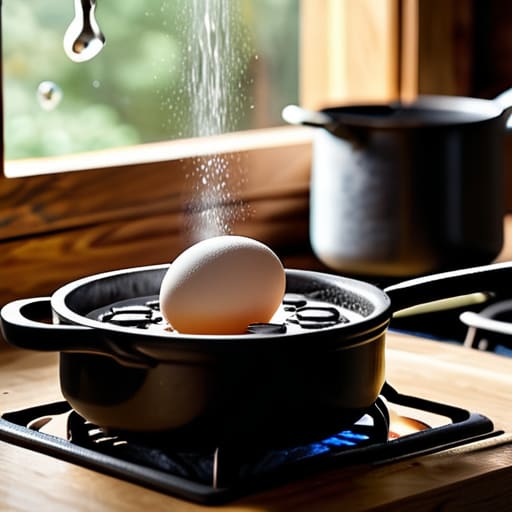
Most online guides treat boiling an egg like a high-stakes chemistry experiment, but in a real kitchen, you just need a reliable baseline. Forget the “perfect” minute-by-minute countdowns that assume you’re standing there with a stopwatch. Instead, I use a simple method: bring your water to a boil, lower the eggs in gently, and then actually look at the clock.
For a jammy yolk that’s perfect for avocado toast, aim for exactly six and a half minutes. If you need a solid yolk for a quick salad or a protein boost on the go, go for nine or ten. If you’re looking for a full boiled egg timing guide that won’t fail you, the key is the ice bath. As soon as the timer hits zero, drop them into cold water. This stops the cooking process immediately and prevents that unappetizing gray ring around the yolk. It’s a small step, but it’s the difference between a meal that feels intentional and one that feels like an afterthought. This is one of the best ways to prepare eggs when you have zero mental bandwidth left.
Five Ways to Stop Overcomplicating Your Egg Routine
- Stop chasing the perfect “aesthetic” pan. A heavy-bottomed stainless steel or cast iron skillet is your best friend here; it holds heat consistently so you aren’t fighting sudden temperature drops every time you crack an egg.
- Prep your ingredients before you turn on the heat. If you’re making an omelet, have your cheese grated and your herbs chopped first. Trying to grate cheddar while your butter is already browning is a recipe for burnt edges and unnecessary stress.
- Salt your eggs at the right time. For scrambled eggs, salt them about ten minutes before they hit the pan if you have the bandwidth—it breaks down the proteins and results in a much more tender texture. If you’re in a rush, just do it right before they cook, but don’t expect a miracle.
- Use a timer, not your “gut feeling.” Whether it’s a soft boil or a fried egg, your intuition is usually wrong when you’re tired or distracted. Set a timer on your phone or that physical planner of mine; it removes the mental load of constantly hovering over the stove.
- Keep your eggs at room temperature if you have the time. It sounds like a minor detail, but cold eggs hitting a hot pan cause the temperature to crash, leading to uneven cooking. If you forgot to take them out of the fridge, just give them a quick soak in warm water for a minute.
The Bottom Line on Egg Efficiency
Stop overcomplicating the process; whether you’re boiling or frying, the goal is consistency, not culinary perfection.
Master the timing for boiled eggs first—once you have those minutes memorized, you eliminate the guesswork and the wasted effort.
Prioritize heat control over fancy tools; a steady, predictable temperature is the only way to avoid the frustration of rubbery whites or broken yolks.
The Philosophy of the Pan
“Stop treating breakfast like a culinary performance. An egg isn’t a centerpiece; it’s fuel. If your cooking method requires more mental bandwidth than the meal actually provides, you’ve already lost the efficiency game.”
Diane Sterling-Voss
Stop Overthinking the Pan
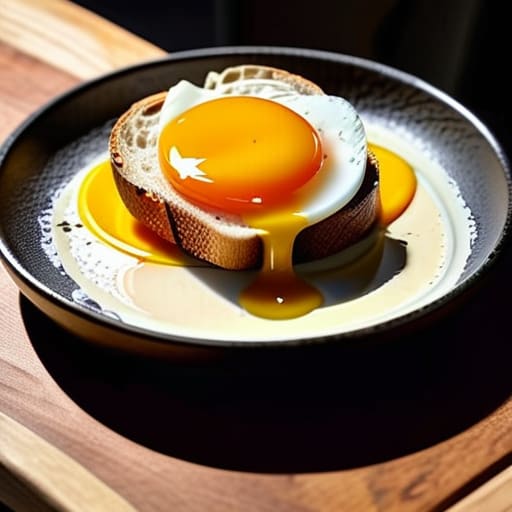
At the end of the day, cooking eggs isn’t about mastering some complex culinary art; it’s about reducing decision fatigue. You don’t need a thermometer for every scramble or a stopwatch for every boil to get a decent result. Just remember the basics: control your heat to avoid that rubbery texture, respect the timing for your soft-boiled needs, and don’t be afraid to adjust on the fly based on how your specific stove is behaving. Once you have these core parameters down, the eggs stop being a chore and start being a reliable, high-protein tool in your daily efficiency kit.
My goal here wasn’t to turn you into a chef, but to give you a system that works when you’re tired, rushed, or just staring blankly at the fridge on a Tuesday morning. Life is messy enough without your breakfast becoming another source of friction. Master these simple, battle-tested methods, and you’ll find that you have one less thing to worry about. Now, put the timer away, get some food in your system, and go tackle whatever else is on your plate.
Frequently Asked Questions
How do I stop the shells from cracking when I drop them into boiling water?
Stop treating boiling water like a high-stakes drop zone. If you’re lowering eggs directly into a rolling boil, you’ve already lost the battle. Use a slotted spoon to gently settle them at the bottom, or better yet, start with a simmer rather than a violent boil. If you must use high heat, lower the temperature slightly before adding the eggs to minimize the impact. It’s about reducing the kinetic energy, not magic.
Is it actually worth buying expensive organic eggs, or is that just marketing fluff?
Look, if you’re chasing a nutritional miracle, you’re probably overpaying for marketing. From a pure systems perspective, the difference in protein or fat between a standard large egg and a premium organic one is negligible. If you have the budget and want to support better farming practices, go for it. But if you’re trying to optimize a grocery budget, don’t sweat it. Just buy what’s fresh, check the expiration, and get on with your day.
What’s the best way to store leftover cooked eggs so they don't taste like a refrigerator?
The quickest way to ruin a leftover egg is by letting it sit in an open container like a sponge for every other smell in your fridge. If you’ve got hard-boiled eggs, keep them in their shells; it’s a natural, airtight barrier. For scrambled or fried, use a small, high-quality glass airtight container. Avoid plastic if you can—it holds onto odors. And please, get them in the fridge within two hours. Don’t overthink it; just seal them up.