I spent fifteen years in corporate operations, so I know exactly what happens when your mental bandwidth hits zero around 5:00 PM. You’re exhausted, the fridge looks like a desert, and suddenly, a delivery app is looking like the only viable option. But we both know that expensive, salty takeout is a recipe for a mid-week crash. I’ve spent years refining my own systems to avoid that specific brand of burnout, focusing on easy healthy recipes that actually respect your time. We aren’t looking for elaborate, three-hour culinary projects here; we’re looking for functional fuel that keeps you moving without adding more work to your plate.
In this guide, I’m stripping away the performative meal-prep nonsense and giving you five battle-tested strategies for real life. I’ll walk you through five specific meal frameworks designed to minimize cleanup and maximize nutrition, even when you’re running on fumes. These aren’t just suggestions; they are straightforward systems meant to eliminate the decision fatigue that usually kills a healthy diet. By the time you finish reading, you’ll have a toolkit of meals that work in the messy reality of a busy week.
Table of Contents
The Sheet Pan Strategy
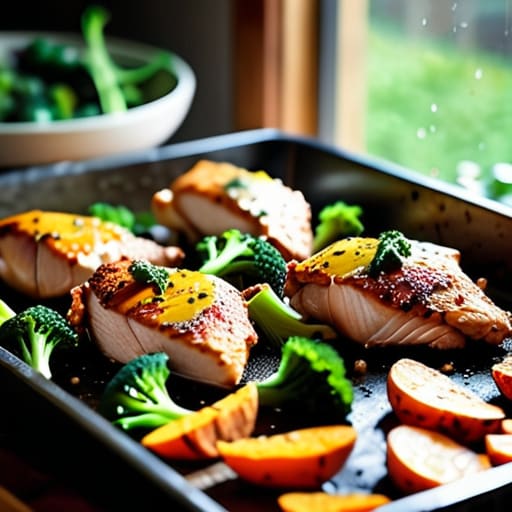
I don’t have the mental bandwidth for a sink full of pots and pans at 6:30 PM. The sheet pan method is my personal go-to because it reduces the cognitive load of cooking to almost zero. You just chop some chicken thighs, toss them on a tray with broccoli and sweet potatoes, drizzle with olive oil and salt, and let the oven do the heavy lifting.
One-Bowl Grain Bowls
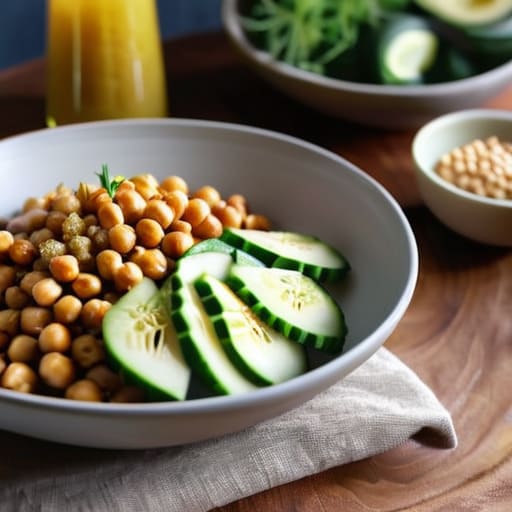
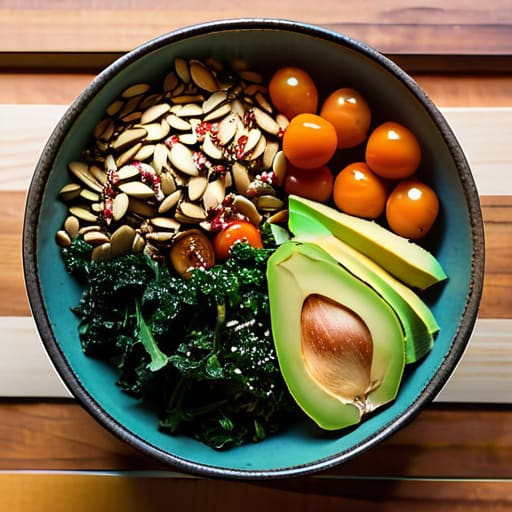
If you have leftover grains in the fridge—quinoa, farro, or even that brown rice from two nights ago—you are halfway to a decent meal. I call these my “assembly jobs.” You aren’t really cooking; you are just curating components. Grab a bowl, throw in the grains, add a handful of canned chickpeas, some sliced cucumber, and a dollop of hummus.
The High-Protein Breakfast Hack
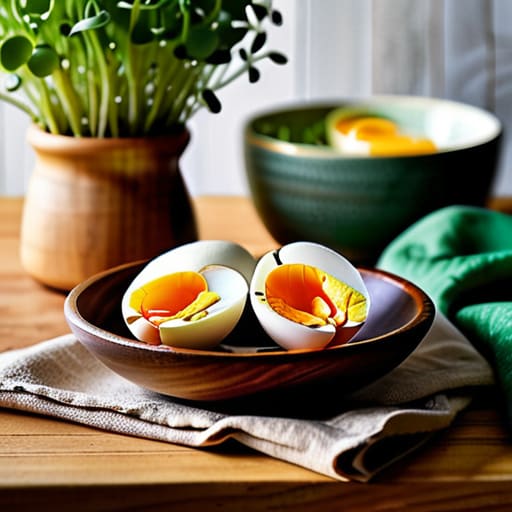
We’ve all been there: you wake up late, the morning is already spiraling, and suddenly you’re reaching for a sugary pastry just to function. I stopped doing that once I realized that protein is the anchor for a stable afternoon. Hard-boiled eggs are my favorite tool here; I prep a batch on Sunday so they are ready to grab as I head out the door.
Pantry-Based Pasta
There is a misconception that “healthy” means “no carbs,” and frankly, that’s a recipe for a mid-afternoon crash. I prefer using whole-wheat or chickpea pasta because it provides the sustained energy needed to power through a long workday. When the fridge looks empty, I lean heavily on my pantry staples to bridge the gap.
The Salad Jar Method
Most people hate salads because by the time they get to the bottom of the bowl, everything is a soggy, unappealing mess. I solve this by using the layering technique in glass jars. You put the dressing at the very bottom, followed by the “hard” vegetables like carrots or cucumbers, and keep the leafy greens at the very top.
The Bottom Line
Stop aiming for culinary perfection; a simple, nutrient-dense meal that actually gets eaten is infinitely better than a complex recipe that ends up in the trash.
Build your kitchen around “assembly” rather than “cooking” to minimize the mental load and the cleanup time during a busy week.
Focus on repeatable patterns—once you find a formula that works for your energy levels, stick to it so you don’t have to reinvent the wheel every Tuesday.
The Efficiency of Eating Well
“Stop treating meal prep like a second full-time job. If a recipe requires twelve specialized ingredients and two hours of standing over a stove, it isn’t a solution—it’s a chore. Real nutrition is about building a repeatable system that feeds you without draining your mental battery.”
Diane Sterling-Voss
The Bottom Line
At the end of the day, these recipes aren’t about achieving some unattainable culinary perfection or spending three hours hovering over a stove. They are about building a repeatable system of low-friction nutrition. Whether you’re leaning on the one-pan roasted vegetables to save on cleanup or utilizing the power of a solid grain bowl, the goal is the same: getting fuel into your body without draining your mental battery. We’ve looked at how to simplify your grocery list, minimize the prep work, and ensure that even when your Tuesday afternoon feels like a total derailment, you aren’t settling for expensive, processed takeout just because you’re too tired to think.
Don’t feel like you have to overhaul your entire kitchen overnight. Start with just one of these methods this week and see how it affects your evening energy levels. Real efficiency isn’t about doing everything perfectly; it’s about eliminating the decision fatigue that makes healthy eating feel like a chore. Once you have a few of these reliable, go-to meals in your rotation, you’ll find that you aren’t just eating better—you’re actually reclaiming the headspace you need to focus on the things that actually matter. Now, go close that laptop and go eat something decent.
Frequently Asked Questions
How do I keep these meals from turning into a mountain of dishes to wash later?
The secret isn’t a better sponge; it’s better logistics. I follow a strict “clean as you go” protocol. If a recipe calls for a simmer, that’s your window to scrub the cutting board and wipe the counters. Never sit down to eat with a cluttered sink staring at you. Also, invest in high-quality sheet pans and parchment paper. If you can cook everything on one lined tray, you’ve already won the battle.
What’s the most efficient way to shop for these ingredients without spending two hours in the grocery aisles?
Stop wandering. If you’re browsing aisles without a plan, you’ve already lost. First, map your list to the store’s layout—produce, proteins, pantry—so you aren’t doubling back. Second, stick to the perimeter; that’s where the real food lives and where the processed junk tries to trap you. Finally, shop the same five core ingredients every week. Consistency is the ultimate efficiency hack. Get in, get out, and get back to your life.
Can I actually prep these ahead of time, or am I going to be stuck hovering over a stove every single night?
Look, if a recipe requires you to stand over a hot stove for forty minutes every Tuesday night, it’s not a system; it’s a chore. Most of these are designed for “component prepping.” Chop the veggies and portion the proteins on Sunday. That way, when the afternoon slump hits, you’re just assembling, not starting from scratch. Aim for minimal active cooking time. If you aren’t just heating and assembling, we need to rethink the strategy.