I spent most of my twenties in corporate boardrooms where everything was measured in spreadsheets, but nothing quite prepared me for the sheer, unnecessary complexity of modern cooking influencers. I’m tired of seeing “gourmet” tutorials that require a twenty-step spice ritual and a PhD in flavor theory just to make a decent piece of chicken. If you think you need a $50 jar of hand-harvested Himalayan salt to understand how to season food, you’ve been sold a lie designed to drain your bank account and your patience. Most of that culinary fluff is just noise designed to make a simple task feel like a chore.
I’m not here to teach you how to become a Michelin-starred chef on a Tuesday night; I’m here to give you a system that actually works. My goal is to strip away the pretension and give you a few battle-tested rules that ensure your meals are flavorful without costing you an extra hour of mental bandwidth. We’re going to focus on the high-impact moves—the ones that actually move the needle—so you can stop guessing and start eating. Let’s get into the functional reality of flavor.
Table of Contents
Essential Spice Cabinet Staples for Busy Weeknights
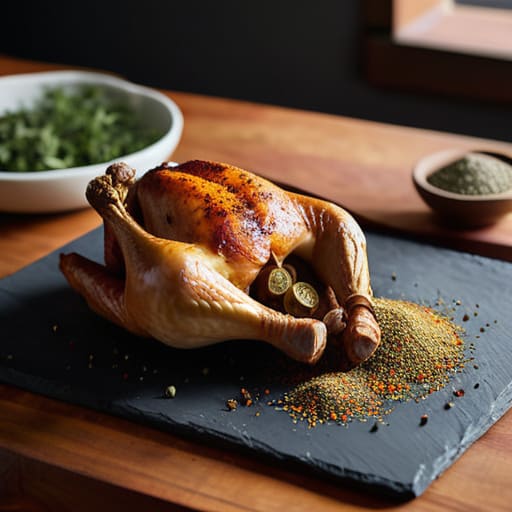
If you walk into a specialty spice shop, you’ll see hundreds of jars that promise to change your life. Ignore them. You don’t need a library; you need a functional toolkit. For my weeknight rotation, I stick to a tight group of essential spice cabinet staples that do the heavy lifting without requiring a chemistry degree. I keep high-quality kosher salt, cracked black pepper, smoked paprika, garlic powder, and dried oregano on hand. These are my workhorses. If you have these, you can pivot from a basic chicken thigh to a quick pasta sauce in under ten minutes.
The real secret isn’t having fifty spices; it’s knowing how to use them for layering flavors in cooking. I don’t bother with complex spice blends that lose their potency halfway through the jar. Instead, I use single ingredients to build depth. Start with the basics to build a foundation, then add a pinch of something sharper or smokier as you go. It’s about efficiency, not complexity. If your pantry looks like a curated museum, you’re doing too much work. Keep it lean, keep it functional, and get back to your dinner.
Seasoning Meat vs Vegetables Without the Stress
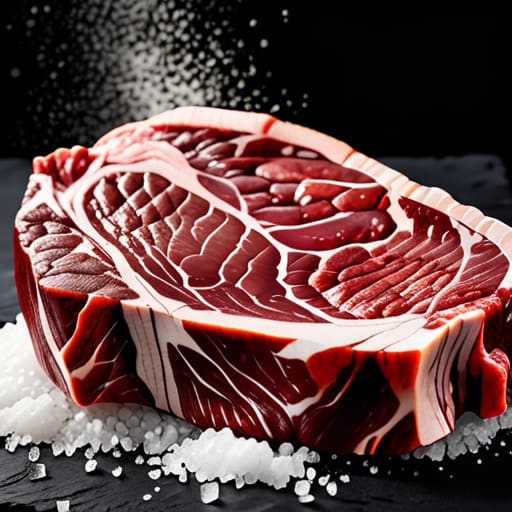
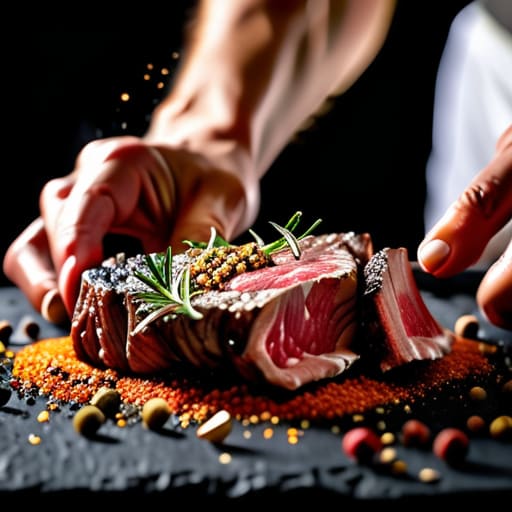
The biggest mistake I see is treating a steak and a head of broccoli like they belong to the same culinary family. They don’t. When you’re seasoning meat vs vegetables, you have to account for density and moisture. Meat is a sponge for salt; it needs a heavy hand early on to penetrate the fibers. If you’re searing a chicken breast or a ribeye, salt it aggressively before it hits the pan. You aren’t just adding salt; you’re building a foundation for the Maillard reaction. If you wait until the meat is cooked to season it, you’re just salting the surface, and it’ll taste bland.
Vegetables, however, are a different beast entirely. They have a much higher water content and can turn to mush if you overwork them. Instead of heavy salt, I focus on enhancing natural flavors through timing. I usually wait until the vegetables are almost tender before I go in with the seasonings. This prevents them from leaching moisture too quickly. If a dish feels “flat” even after salting, don’t reach for more salt—reach for lemon juice or vinegar. Balancing salt and acid is the real secret to making a simple roasted carrot taste like something special without needing a PhD in gastronomy.
Five Rules to Keep Your Kitchen From Becoming a Science Experiment
- Salt early and often. If you wait until the food is on the plate to season it, you’re just masking the flavor instead of building it. Get the salt in while the food is still cooking so it actually penetrates the center.
- Stop measuring with spoons. Most recipes call for a “pinch” or a “dash,” and honestly, measuring spoons just add more dishes to the sink. Use your hands; it’s faster, more intuitive, and much harder to mess up.
- Acid is your secret weapon. If you taste something and it feels “flat” or heavy—even if you’ve already added salt—it usually needs acid, not more salt. A squeeze of lemon or a splash of vinegar wakes everything up.
- Taste as you go. This sounds obvious, but people skip it because they’re in a rush. You can’t fix a dish once it’s served. Take a small bite every few minutes to check if the balance is actually where you want it.
- Don’t fear the “over-seasoned” feeling. It’s much easier to add a little more pepper at the end than it is to try and fix a bland, under-seasoned meal. If you’re unsure, lean toward more.
The Bottom Line
Stop chasing complex spice blends; master salt, pepper, and acid, and you’ll have 90% of the battle won.
Season in layers from the start rather than trying to fix a bland dish at the very end.
Trust your palate over the recipe—if it tastes flat, it usually needs salt or a squeeze of lemon, not more heat.
The Golden Rule of Flavor
Stop treating your spice cabinet like a chemistry lab; seasoning isn’t about following a complex formula, it’s about learning to trust your palate enough to know when the salt has finally done its job.
Diane Sterling-Voss
Stop Overthinking the Spice Rack
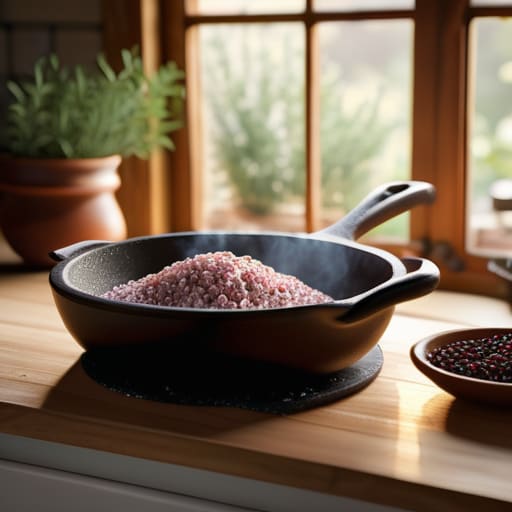
At the end of the day, seasoning isn’t some high-stakes chemistry experiment you need to master before you’re allowed to enjoy dinner. It’s about building a reliable foundation. Keep your staples close, remember that meat needs a heavier hand than your greens, and don’t be afraid to taste as you go. If you have salt, pepper, and a few versatile aromatics on hand, you already have 90% of the battle won. The goal isn’t to create a Michelin-star masterpiece every Tuesday night; it’s to ensure that your food actually tastes like something without adding twenty minutes of unnecessary mental labor to your evening routine.
Once you stop treating your spice cabinet like a puzzle to be solved, you’ll find that cooking becomes much less of a chore and much more of a tool for refueling. Use these systems to reclaim your time. If a recipe calls for a complex blend you don’t have, don’t stress—just pivot to the basics and move on. The most efficient way to eat well is to develop a muscle memory for flavor that works even when you’re exhausted. Now, put the cookbook away, grab the salt, and just start cooking.
Frequently Asked Questions
How do I know if I've actually used enough salt, or if I'm just making everything taste like a salt lick?
The “salt lick” fear is real, but the fix is simple: taste as you go. Don’t wait until the dish is plated to find out you overshot. If you’re worried, keep a glass of plain water nearby; a sip cleanses your palate so you can judge the next bite accurately. If it tastes “flat,” add a pinch. If it stings your tongue, you’ve gone too far—dilute it with acid or bulk.
Is there a way to fix a dish that I’ve accidentally over-seasoned without throwing the whole thing in the trash?
Don’t reach for the trash can just yet. If you’ve gone too heavy on the salt, add a starch—think unsalted potatoes or even a bit of plain rice—to absorb the excess. If it’s a spice imbalance, you need acid or fat to buffer it. A squeeze of lemon juice or a dollop of Greek yogurt can cut through a salt bomb better than you’d think. It’s not about perfection; it’s about recalibrating.
When should I season my food during the cooking process versus just hitting it with salt right before it hits the table?
Think of seasoning as a two-stage process: building flavor and finishing the dish. Season during the cook to penetrate the ingredients—salt your proteins early so it actually gets inside, not just on the surface. If you’re sautéing veggies, hit them mid-way. Save the final sprinkle of salt or a zest of lemon for the very end. It wakes up the flavors right before you eat, rather than just making everything taste salty.