Most people treat cooking like a high-stakes performance, but if you’re staring at a pile of groceries and feeling nothing but dread, you’re doing it wrong. We’ve been sold this idea that a successful kitchen requires a pantry full of obscure spices and three hours of prep time, but that’s just a recipe for burnout. When you’re navigating a demanding career or a chaotic household, you don’t need a culinary degree; you need easy meals for beginners that actually function as fuel rather than a massive chore. I’ve spent years optimizing systems for everything from corporate workflows to my own kitchen, and I’ve learned that the best way to eat well is to reduce the decision fatigue that comes with mealtime.
In this guide, I’m stripping away the fluff and giving you five battle-tested meal frameworks that prioritize efficiency over ego. I won’t be suggesting anything that requires a specialized gadget or a trip to a boutique market. Instead, I’m sharing five reliable, low-effort systems designed to help you reclaim your evening without sacrificing nutrition. By the end of this, you’ll have a handful of go-to options that work perfectly even when your mental bandwidth is running on empty.
Table of Contents
The Sheet Pan Strategy
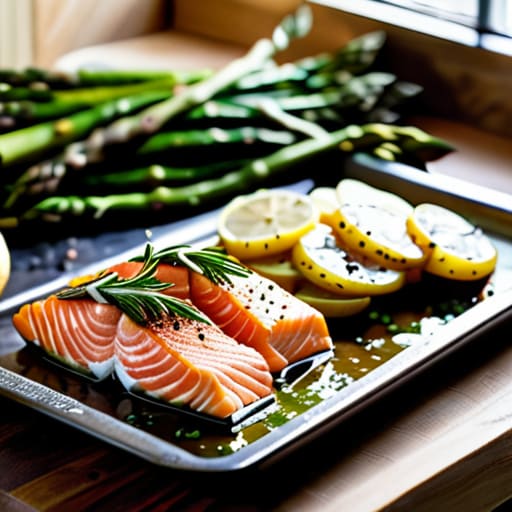
Most people think cooking requires standing over a stove like a sentry, but that’s a massive waste of mental energy. My preferred method is the sheet pan roast: you toss a protein and a few hardy vegetables in olive oil and salt, spread them out, and let the oven do the heavy lifting. It’s a low-friction system that minimizes both active prep time and the inevitable mountain of dishes waiting in the sink.
One-Pot Grain Bowls
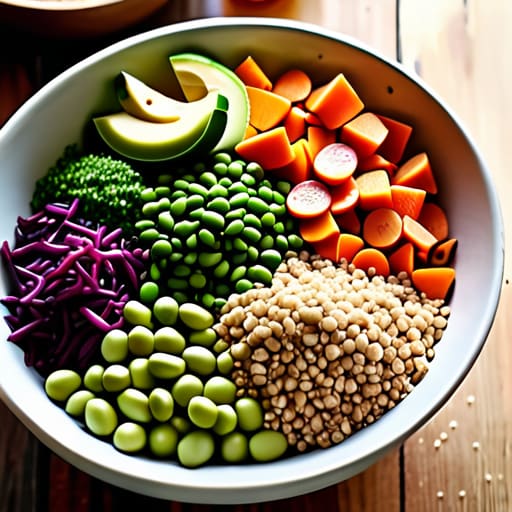
If you find yourself staring into a fridge full of random ingredients at 6:00 PM, you need a grain bowl system. This isn’t about following a recipe; it’s about modular assembly. Start with a base of a pre-cooked grain—I keep pouches of quinoa or brown rice in the pantry for exactly this reason—and then layer on whatever is available.
The Rotisserie Chicken Pivot
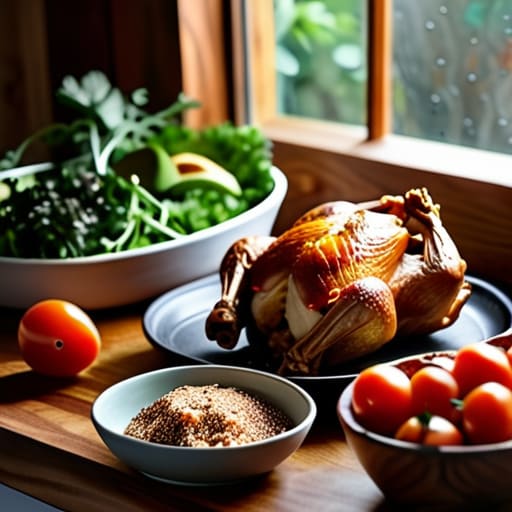
There is no shame in outsourcing your labor, and if you ask me, buying a pre-cooked rotisserie chicken is one of the smartest operational efficiencies you can implement in a kitchen. It is a high-quality, ready-made protein that can be dismantled and repurposed into three or four different meals throughout the week.
Elevated Pantry Pasta
Pasta is the ultimate safety net, but we aren’t talking about bland, buttered noodles. I view pasta as a delivery mechanism for whatever flavor profile you have on hand. A jar of high-quality marinara can be upgraded with a handful of spinach and some red pepper flakes, or you can go the olive oil and garlic route for something lighter.
Breakfast for Dinner
We often overcomplicate dinner because we feel it needs to be a formal affair, but sometimes the most efficient solution is to look backward. Eggs are incredibly cheap, packed with protein, and take about three minutes to scramble. If you can toast a piece of bread and crack an egg, you have successfully navigated a meal crisis.
The Bottom Line on Low-Effort Eating
Stop aiming for culinary perfection; your only real goal is to reduce the mental load of deciding what’s for dinner.
Build a rotation of “default meals” that require minimal prep so you aren’t reinventing the wheel every Tuesday.
Prioritize ingredients that work hard for you—think versatile staples that require zero specialized skills or expensive gadgetry.
The Philosophy of the Plate
Cooking shouldn’t feel like a second job. If a recipe requires twenty-seven ingredients and a degree in chemistry just to get you through a Tuesday, it’s not a meal—it’s a project. I’m not interested in culinary perfection; I’m interested in systems that put fuel in your body without draining your mental battery.
Diane Sterling-Voss
Stop Overthinking the Plate
At the end of the day, these five meal systems aren’t about culinary artistry or achieving some Instagram-perfect aesthetic. They are about reducing decision fatigue when you are tired and hungry. Whether you are leaning on a sheet-pan roast, a reliable grain bowl, or a simple pasta, the goal is the same: getting nourishment into your system without the mental overhead of a complex recipe. If you can master these basics, you’ve effectively automated the most stressful part of your evening, leaving you with more mental bandwidth for the things that actually matter.
Don’t feel like you need to implement all of these at once. Start with the one that feels the least intimidating and build your rotation from there. Perfection is the enemy of efficiency, and frankly, a slightly messy kitchen is a small price to pay for a predictable dinner routine. My advice? Pick one, try it this week, and let it become part of your standard operating procedure. Once you stop treating every meal like a high-stakes project, you’ll realize that true productivity often starts with what you put on your plate.
Frequently Asked Questions
How do I keep these meals from turning into a massive pile of dishes every single night?
The secret isn’t a magic cleaner; it’s a workflow change. Stop treating cleanup as a separate event at the end of the night. Clean as you go. If you’re waiting for the pasta to boil, wash the cutting board. If you’re eating, run the dishwasher immediately. I also swear by “one-pot” logic—if a recipe requires more than two pans, it’s too high-maintenance for a weeknight. Minimize the tools, minimize the mess.
What’s the most efficient way to shop for these ingredients without spending two hours in the grocery aisles?
Don’t wander. The second you walk through those sliding doors without a plan, you’ve already lost. Grab a list organized by store layout—produce first, then aisles, then frozen last. If you’re using an app, great, but a handwritten list prevents that mid-aisle brain fog where you forget the one thing you actually came for. Stick to the perimeter, grab your essentials, and get out. Efficiency isn’t about speed; it’s about reducing decisions.
If I don't have the energy to cook even these simple things, what are my best "zero-effort" backup options?
When you’re running on empty, stop pretending you’re going to “meal prep.” That’s just more work. My zero-effort fallback is the “Assembly Method”: rotisserie chicken, bagged salad, and pre-cooked grain pouches. No chopping, no pans, minimal cleanup. If even that feels like too much, keep high-quality frozen meals or protein shakes in the pantry. They aren’t “ideal,” but they prevent the decision fatigue that leads to expensive, late-night takeout. Just eat.