I’ve spent enough years in corporate operations to know that “expensive” rarely equates to “effective.” Most people approach a creative project and immediately hit a wall of subscription fees and bloated software that feels like it was designed by engineers, not creators. You don’t need a monthly bill that rivals your mortgage just to make a clean presentation or a decent social media graphic. The truth is, searching for the best free design tools often leads you down a rabbit hole of mediocre, ad-supported junk that actually adds friction to your workflow rather than removing it.
I’m not interested in tools that require a three-week certification course just to crop a photo. My goal is to help you reclaim your time by stripping away the noise. In this list, I’m breaking down five specific, battle-tested resources that provide professional-grade results without the professional-grade price tag. These are the streamlined, reliable options I actually trust when I need to get a job done on a hectic Tuesday afternoon. No fluff, no steep learning curves—just the essentials that actually work.
Table of Contents
Canva for the Non-Designer

Most people treat design like a mountain they have to climb, but Canva turns it into a simple walk in the park. It isn’t about being “artistic”; it’s about having a pre-built framework so you don’t waste two hours staring at a blank white screen. If you need a quick social media graphic or a basic presentation for a Tuesday morning meeting, this is your go-to.
Figma for Collaborative Precision
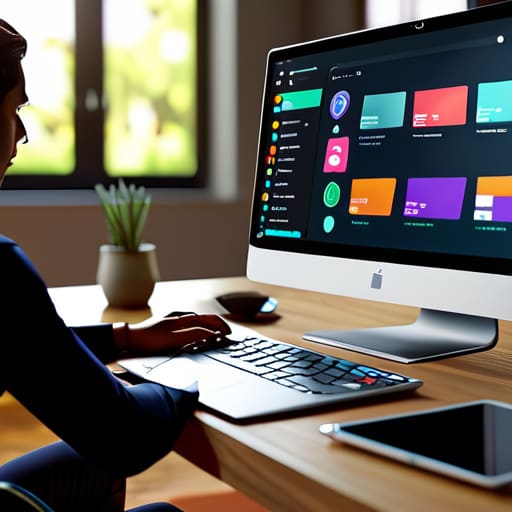
If you find yourself needing to move beyond basic templates and actually build something structural, Figma is the industry standard for a reason. It’s a browser-based tool, which means I don’t have to deal with massive installation files or hardware-draining software updates. It’s built for seamless collaboration, allowing multiple people to jump into a file without the “version control” nightmare I used to deal with in my corporate days.
GIMP for Heavy Lifting
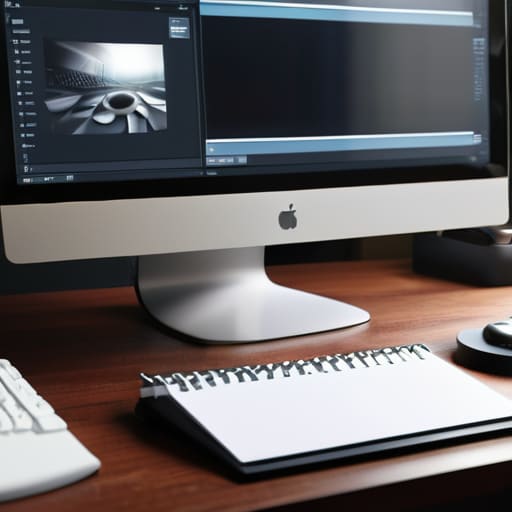
We need to talk about the elephant in the room: photo manipulation. While everyone loves their mobile filters, sometimes you actually need to remove a distracting background or fix the lighting on a product shot. GIMP is the “no-nonsense” alternative to Photoshop. It’s open-source, it’s free, and it doesn’t require a monthly subscription fee just to keep your files accessible.
Inkscape for Scalable Vector Work
Whenever I’m working on something that needs to be printed—like a logo or a physical sign—I refuse to use raster images. You need vectors. Inkscape is my preferred tool for creating graphics that stay crisp and clear no matter how much you scale them up. It handles SVG files beautifully, making it an essential part of a functional design toolkit.
CapCut for Efficient Video Editing
Video is no longer an optional skill; it’s a requirement for almost any modern role. But let’s be honest: most of us don’t have the time or the massive processing power required for professional-grade film editing. CapCut bridges that gap by providing a streamlined mobile and desktop interface that focuses on what actually matters: quick cuts, decent transitions, and easy text overlays.
The Bottom Line
Stop chasing every new app that hits the market; stick to a small, reliable toolkit that actually integrates with your existing workflow.
Prioritize function over features—if a tool has more bells and whistles than you can realistically use in a single afternoon, it’s just more digital clutter.
The best tool isn’t the most expensive or the most complex; it’s the one that gets out of your way so you can actually finish the task.
## The Cost of Complexity
“A tool is only as good as the time it saves you; if you’re spending more energy managing the software than actually designing, you’ve already lost the day.”
Diane Sterling-Voss
Stop Overcomplicating the Process
At the end of the day, the goal isn’t to collect a massive library of software you’ll never actually open. Whether you’re leaning on Canva for a quick social graphic, using Figma to map out a layout, or pulling assets from Unsplash, the objective is the same: get the work done without the headache. You don’t need a high-priced subscription or a degree in graphic design to produce something that looks professional. Pick one tool from this list that fits your specific workflow, master its basics, and then step away from the search bar. The best tool is simply the one that stays out of your way and lets you actually finish the task at hand.
We often mistake “more options” for “better results,” but in my experience, complexity is usually just a form of procrastination. Don’t let the endless cycle of new app releases or feature updates paralyze your progress. Perfectionism is expensive, and it’s a massive drain on your mental bandwidth. Use these tools to build your momentum, not to build a digital shrine to productivity. Once you have a functional system in place, you can stop worrying about the software and start focusing on the actual substance of your work. Now, go close those twenty open tabs and get started.
Frequently Asked Questions
If I'm using the free versions, how much will I actually run into "paywalls" when I try to export my work?
Here’s the reality: you’ll hit paywalls, but usually only when you start getting greedy. Most of these tools let you design and export basic files for free. The friction starts when you want high-res transparent backgrounds, premium stock assets, or advanced batch processing. If you’re just making a quick social graphic or a clean PDF, you’ll be fine. Just check the export settings before you spend an hour perfecting a design you can’t actually save.
Do these tools actually talk to each other, or am I going to waste time manually moving files between them?
Look, I’ve spent enough years in operations to know that a “seamless workflow” is often just marketing fluff. Most of these tools won’t talk to each other out of the box. You’ll likely need a bridge like Zapier or Make to stop the manual file-shuffling madness. If a tool doesn’t offer a solid export feature or an API, it’s a friction point. Don’t buy into the dream; build the bridge yourself.
Is it worth learning any of these, or will they be obsolete by the time I actually need them for a project?
Look, I get the hesitation. In tech, everything feels like it’s one update away from being garbage. But here’s the reality: these tools aren’t just fleeting trends; they are built on foundational design principles. Even if a specific interface changes, the logic of layers, vectors, and typography remains the same. Learn the workflow, not just the buttons. Once you understand how to move pixels effectively, you can jump to any new software in a weekend.