I spent most of my corporate years watching people drown in “productivity systems” that required more maintenance than the actual work they were supposed to be doing. There is nothing more exhausting than spending forty minutes color-coding a digital planner only to realize you haven’t actually done a single task on it. Most of the popular to do list tips you find online are just sophisticated ways to procrastinate, wrapped in shiny app interfaces and unnecessary complexity. If your system requires a PhD in software engineering just to track a grocery run, it isn’t a tool; it’s a burden.
I’m not here to sell you on a new subscription or a complex methodology that falls apart the moment your kid gets sick or a deadline shifts. Instead, I’m going to share the stripped-back, battle-tested frameworks I use to keep my own freelance operations running without losing my mind. We are going to focus on high-leverage simplicity—the kind of practical, no-nonsense strategies that actually work when you’re staring at a mountain of tasks on a chaotic Tuesday afternoon. Let’s stop performing productivity and start actually finishing things.
Table of Contents
- Ditch the Fluff Prioritizing Daily Tasks Without the Mental Load
- Digital vs Paper Planners Choosing the Tool That Doesnt Waste Time
- Five Rules for a List That Actually Works
- The Bottom Line: Systems Over Hype
- ## The Truth About Productivity
- Stop Aiming for Perfection, Start Aiming for Progress
- Frequently Asked Questions
Ditch the Fluff Prioritizing Daily Tasks Without the Mental Load
Most people treat their to-do lists like a graveyard for every half-baked idea that enters their brain. You write down “finish project,” “buy milk,” and “reorganize the garage” all on one long, daunting scroll, and then you stare at it until you feel paralyzed. That isn’t a plan; it’s a recipe for burnout. To actually make progress, you need to stop treating every task as equal. I’ve found that the most effective way to handle this is to identify your “Non-Negotiables”—the two or three items that must happen today for you to feel like the day wasn’t a total wash.
Once you’ve identified those heavy hitters, stop looking for complex productivity hacks for task management that require a PhD to navigate. Instead, try a simplified version of time blocking techniques: assign a specific window of your morning to that one big, looming task you’ve been avoiding. Don’t worry about optimizing every single minute of your afternoon. The goal isn’t to achieve perfect efficiency; it’s to reduce the decision fatigue that comes from constantly wondering what you should be doing next. Just pick the priority, set a timer, and move.
Digital vs Paper Planners Choosing the Tool That Doesnt Waste Time
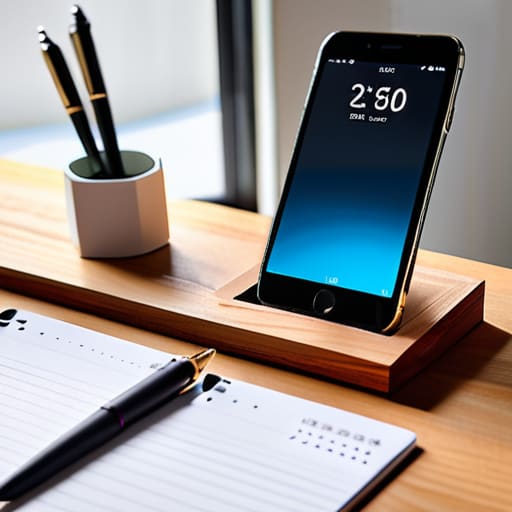
I’ve spent half my life toggling between the two. On one hand, you have the digital ecosystem: seamless syncing, instant reminders, and the ability to move a task from Tuesday to Wednesday with a single swipe. If you’re someone who relies heavily on time blocking techniques, a digital calendar is practically non-negotiable for keeping your schedule from collapsing. But there is a specific kind of friction that comes with screens—the constant ping of a notification or the temptation to check an email the second you open your app to check a deadline.
Then there’s my paper planner. It’s tactile, it doesn’t have a backlight, and it doesn’t demand my attention with social media alerts. There is a psychological win in physically crossing something off a list that a digital checkmark just can’t replicate. When I’m deep in a project, I use paper to stay focused on the immediate present. The real secret to digital vs paper planners isn’t picking a winner; it’s realizing they serve different masters. Use digital for the logistics and the long-term view, but keep a physical page for the daily grind where you actually need to focus.
Five Rules for a List That Actually Works
- Stop writing down everything you’ve ever thought of doing. If your list has twenty items on it, you aren’t being productive; you’re just practicing procrastination by looking at a mountain of tasks. Keep your daily list to five items or fewer. If you finish them, great, you can pull from your master list. If not, you’ve at least finished the essentials.
- Use verbs, not nouns. Don’t just write “Report” on your paper planner. That’s a vague concept that requires mental energy to decode every time you look at it. Write “Draft three pages of the Q3 report.” It tells your brain exactly what the physical action is, which lowers the friction of actually starting.
- Group your “shallow work” into single blocks. Don’t sprinkle administrative tasks like replying to emails or filing receipts throughout your entire day. It’s a productivity killer. Batch them. Set aside 45 minutes, knock them all out at once, and then get back to the deep work that actually moves the needle.
- Build in a “buffer zone” for the chaos. I’ve spent enough years in operations to know that a Tuesday never goes according to plan. If you schedule every minute of your day, one unexpected phone call or a broken printer will derail your entire system. Leave at least 20% of your day unallocated. It’s not wasted time; it’s insurance against stress.
- Do a nightly reset. Spend the last ten minutes of your workday—or the last ten minutes before you shut down the house for the night—reviewing what didn’t get done. Move those tasks to tomorrow or, more importantly, decide if they actually need to happen at all. Walking into a morning with a pre-set plan is the difference between feeling in control and feeling reactive.
The Bottom Line: Systems Over Hype
Stop hunting for the perfect app; pick a tool that actually works for your brain and stick to it until it becomes muscle memory.
Prioritization isn’t about doing more; it’s about ruthlessly identifying the three tasks that will actually move the needle and ignoring the noise.
If a productivity system requires more maintenance than the tasks themselves, scrap it and find something simpler.
## The Truth About Productivity
A to-do list isn’t a wish list for a perfect version of yourself; it’s a tactical map for the person you actually are on a Tuesday afternoon when everything is going sideways. If your list is longer than your capacity to actually execute it, you haven’t built a system—you’ve just built a source of guilt.
Diane Sterling-Voss
Stop Aiming for Perfection, Start Aiming for Progress
At the end of the day, a to-do list isn’t a sacred text; it’s just a tool to keep your head above water. We’ve talked about stripping away the fluff, prioritizing the tasks that actually move the needle, and picking a medium—whether that’s my trusty ink-on-paper planner or a streamlined digital app—that doesn’t create more friction than it solves. The goal isn’t to have a perfectly aesthetic, color-coded list that looks great on a Pinterest board. The goal is to reduce the cognitive load so you aren’t spending your precious mental energy trying to remember if you sent that invoice or scheduled that meeting. Keep it simple, keep it functional, and ignore the noise.
If your system feels like it’s becoming a second job, you’re doing it wrong. Systems should serve you, not the other way around. When life inevitably gets messy on a Tuesday afternoon—and it will—don’t abandon your process; just scale it back to the basics. Focus on the few things that matter, let the trivial stuff wait, and give yourself permission to be human. Real productivity isn’t about squeezing every last drop of efficiency out of your soul; it’s about reclaiming your time so you can actually live your life once the work is done.
Frequently Asked Questions
How do I handle it when a massive, unexpected task ruins my entire planned schedule for the day?
Stop trying to force the old schedule to work; that’s how you burn out by 3:00 PM. When a crisis hits, I grab my physical planner, draw a line through the wreckage, and perform a quick triage. Identify the one non-negotiable task left for today and everything else gets pushed to tomorrow. Don’t negotiate with the chaos. Accept the pivot, stabilize the situation, and reset. Efficiency isn’t about perfection; it’s about recovery.
At what point does a digital tool become a distraction rather than a productivity aid?
It becomes a distraction the moment you spend more time “optimizing” the setup than actually doing the work. If you’re color-coding sub-tasks, hunting for the perfect icon, or syncing three different apps just to feel organized, you’re not being productive—you’re procrastinating. A tool should be invisible. If you’re staring at a screen trying to decide which app to use instead of tackling your inbox, close the laptop and grab a pen.
How do I stop myself from adding every single tiny thought to my list and turning it into an overwhelming, unrealistic mess?
Stop treating your to-do list like a brain dump. If it’s not a task that requires actual action, it doesn’t belong there. I used to do this constantly until I implemented the “Two-Minute Rule” combined with a “Holding Tank.” If a thought pops up, write it in a separate, messy scratchpad—not your primary list. Once a day, review that scratchpad. If it’s not worth the effort to schedule, delete it. Protect your list’s integrity.