If I see one more “aesthetic” video of someone spending three hours color-coding their spice jars or prepping twenty different micro-greens just to feel organized, I might actually lose it. Most of the advice you find online regarding kitchen tips and tricks is designed for people with unlimited time and zero real-world responsibilities. In my experience, if a system requires a specialized gadget you’ll use exactly once, it’s not a system—it’s clutter. I’ve spent enough years managing complex operations to know that true efficiency isn’t about looking perfect; it’s about reducing the friction between being hungry and actually eating.
I’m not here to turn you into a Michelin-star chef or a lifestyle influencer. My goal is to give you a set of battle-tested systems that work when you’re exhausted, running late, or just plain over it. I’m going to share the practical, low-maintenance methods I use to keep my own kitchen running like a well-oiled machine, focusing on minimizing mental load rather than maximizing decor. We’re going to cut through the noise and focus on what actually saves you time on a messy Tuesday afternoon.
Table of Contents
- Meal Prep Efficiency Without the Sunday Night Meltdown
- Knife Skills for Beginners Who Just Want to Chop
- Five Small Tweaks to Stop Your Kitchen from Feeling Like a Second Job
- The Bottom Line for a Functional Kitchen
- The Goal of a Functional Kitchen
- Stop Overcomplicating Your Kitchen
- Frequently Asked Questions
Meal Prep Efficiency Without the Sunday Night Meltdown
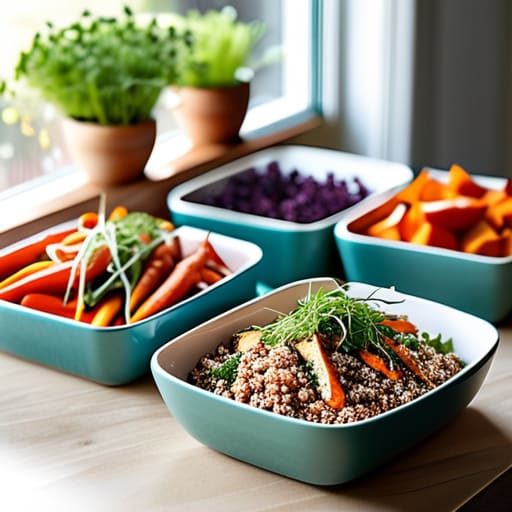
Most people treat meal prep like a marathon they didn’t train for, spending their entire Sunday chopping onions and washing kale until they’re too exhausted to actually cook on Monday. That’s not a system; it’s a chore. I prefer a more modular approach to meal prep efficiency. Instead of cooking full, heavy meals that sit in the fridge losing their soul, I focus on “component prepping.” Roast two trays of vegetables, cook a large batch of a neutral grain like quinoa, and prep one protein. This gives you the building blocks to assemble different meals in five minutes during the week without feeling like you’re eating the same leftovers for four days straight.
The second half of this is all about your environment. If you’re digging through a cluttered pantry every time you need a can of chickpeas, you’re wasting mental bandwidth. Real pantry management tips aren’t about aesthetic glass jars; they’re about visibility. If you can’t see it, you won’t use it, and you’ll end up ordering takeout because “there’s nothing to eat.” Keep your most-used staples at eye level and in clear containers. Minimize the friction between deciding what to eat and actually making it.
Knife Skills for Beginners Who Just Want to Chop
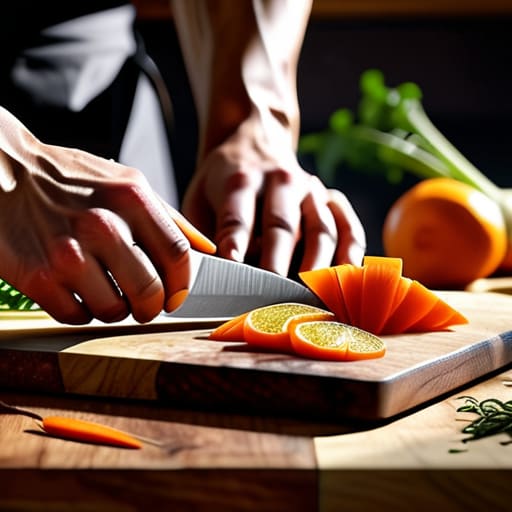
Look, I am not here to teach you how to julienne a carrot into perfect, uniform matchsticks for a Michelin-star plating. If you’re spending forty minutes trying to make every onion wedge look identical, you’ve already lost the battle for efficiency. The goal of mastering basic knife skills for beginners isn’t aesthetic perfection; it’s about speed and, more importantly, not cutting your fingers off when you’re distracted by a work email.
Start by investing in one decent chef’s knife and a stable cutting board. If your board slides around the counter, stop everything and put a damp paper towel underneath it. That’s a non-negotiable safety step. Once you’re stable, focus on the “claw grip”—tuck your fingertips inward so your knuckles act as a guide for the blade. This simple adjustment is one of those culinary time saving methods that actually works because it allows you to move faster without the constant, nagging fear of a trip to the ER. Once you stop overthinking the geometry of a potato, you’ll realize how much mental bandwidth you actually reclaim.
Five Small Tweaks to Stop Your Kitchen from Feeling Like a Second Job
- Stop buying specialized gadgets. You don’t need a garlic press or a strawberry huller; you need one decent chef’s knife and a heavy cutting board. Every extra tool is just one more thing to wash and one more drawer to dig through when you’re actually trying to cook.
- Clear the decks before you start. I’ve learned the hard way that trying to cook in a sink full of breakfast dishes is a recipe for a headache. Clear your workspace and empty the dishwasher before you even touch a pan. It makes the cleanup feel like a closing task rather than an ongoing battle.
- Use the “Mise en Place” Lite method. You don’t need to be a Michelin-star chef to prep everything before you turn on the heat. Just get your spices out, chop your onions, and measure your liquids into small bowls or even just piles on the board. It prevents that frantic, half-burnt feeling when you realize you’re halfway through a sauté and haven’t even opened the ginger.
- Clean as you go, but keep it realistic. Don’t try to scrub the whole kitchen mid-meal. Just aim to rinse the prep bowls and wipe the counter while something is simmering. If you leave a mountain of dishes for the end, you’ll end up ordering takeout because you’re too exhausted to face the sink.
- Organize by frequency of use. Your salt, olive oil, and most-used spatula shouldn’t be tucked away in a back cabinet. They should be within arm’s reach of the stove. If you have to hunt for a tool every time you cook, you’re wasting mental energy you could be using to actually enjoy the meal.
The Bottom Line for a Functional Kitchen
Stop aiming for gourmet perfection on a Tuesday; focus on systems that minimize cleanup and maximize actual eating time.
Invest in a few high-quality tools that do the heavy lifting so you aren’t fighting your equipment every time you cook.
Keep your workspace clear and your prep organized, because a cluttered counter is just a recipe for mental fatigue.
The Goal of a Functional Kitchen
A kitchen shouldn’t be a stage for culinary performance; it should be a high-functioning workspace that gets out of your way so you can eat, clean up, and get back to your actual life.
Diane Sterling-Voss
Stop Overcomplicating Your Kitchen
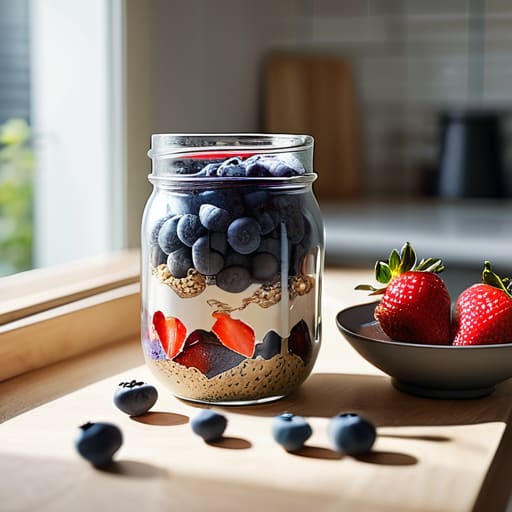
At the end of the day, these systems aren’t about achieving culinary perfection or posting a curated photo of a mason jar salad on social media. It’s about the small, cumulative wins: knowing your knives are actually sharp enough to do the job, having your ingredients ready before the stove even gets hot, and refusing to spend your entire Sunday in a state of prep-induced exhaustion. If you implement even one of these shifts—whether it’s better knife control or a more realistic approach to meal prepping—you’ve already won half the battle. The goal is to reduce the friction between being hungry and being fed, so you can stop treating your kitchen like a second job and start treating it like a utility.
Don’t feel like you have to overhaul your entire pantry and workflow by tomorrow morning. Real efficiency is built in increments, usually through the trial and error of a few messy Tuesday nights. Start with one small change, see if it actually saves you mental bandwidth, and discard anything that feels like more work than it’s worth. Life is too short to spend it fighting your own tools or drowning in unnecessary complexity. Focus on the functional basics, keep your workspace clear, and let the rest fall into place. You’ve got better things to do with your energy than battle a disorganized kitchen.
Frequently Asked Questions
How do I organize my pantry so I actually know what I have before I head to the grocery store?
Stop buying a third jar of cumin because you couldn’t see the first two. I use the “First In, First Out” rule—new stuff goes in the back, old stuff moves to the front. Group things by use, not just size; keep all your pasta and grains together so you can scan them at a glance. If you can’t see it, you don’t own it. Keep it simple, or you’ll never maintain it.
What’s the most efficient way to handle dishes and cleaning without spending my entire evening at the sink?
Stop treating dishwashing like a grand finale. The secret is “clean as you go,” but not in that exhausting, obsessive way. While the pasta boils or the oven preheats, wash the prep bowls and the knife you just used. If you clear the workspace during the downtime, you aren’t left with a mountain of crusty plates at 8:00 PM. Aim for a clear sink before you sit down to eat. It’s about managing the flow, not the mess.
I don't have much counter space; what are the absolute essentials I should keep out versus what I can hide away?
If your counters are small, treat them like a high-functioning workstation, not a showroom. Only the “daily drivers” earn a permanent spot: your coffee maker, a heavy cutting board, and whatever knife you use every single day. Everything else—the stand mixer you use once a month, the air fryer, the spice rack—belongs in a cabinet. If you have to move three things just to boil water, your system is broken. Clear space equals mental clarity.