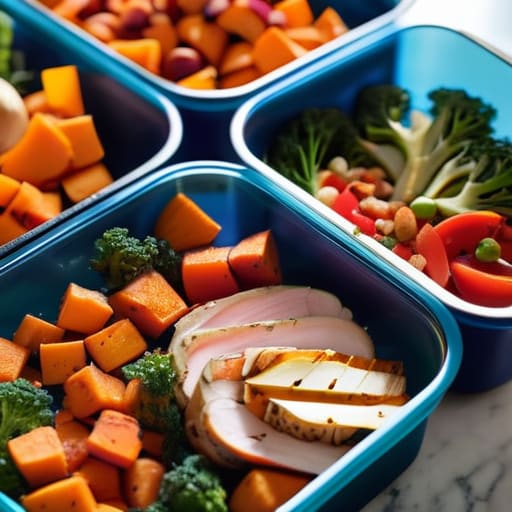
If you’ve ever spent six hours on a Sunday afternoon sweating over Tupperware, surrounded by mountains of kale and enough plastic waste to choke a landfill, please stop. I used to think that was the only way to do it—that mastering how to meal prep required a culinary degree and a complete abandonment of my weekend. But let’s be honest: those elaborate, multi-component meal prep marathons aren’t a system; they’re a second job. I’ve spent too many years in operations to fall for inefficient processes, and frankly, your kitchen shouldn’t feel like a high-stress manufacturing plant just so you can eat a mediocre chicken breast on a Wednesday.
I’m not here to sell you on aesthetic glass jars or recipes that take forty minutes to prep. Instead, I’m going to show you how to build a low-friction system that actually works when life gets messy. We are going to focus on modular components, smart batching, and realistic timelines that respect your sanity. My goal is to give you a battle-tested framework for how to meal prep without the burnout, so you can spend your energy on things that actually matter.
Table of Contents
- Smart Weekly Meal Planning Tips That Actually Stick
- Batch Cooking Techniques for the Time Starved Professional
- Five Rules for Keeping Your Sanity in the Kitchen
- The Bottom Line for Your Tuesday Self
- The Reality of the Kitchen
- Stop Aiming for Perfection, Start Aiming for Less Friction
- Frequently Asked Questions
Smart Weekly Meal Planning Tips That Actually Stick
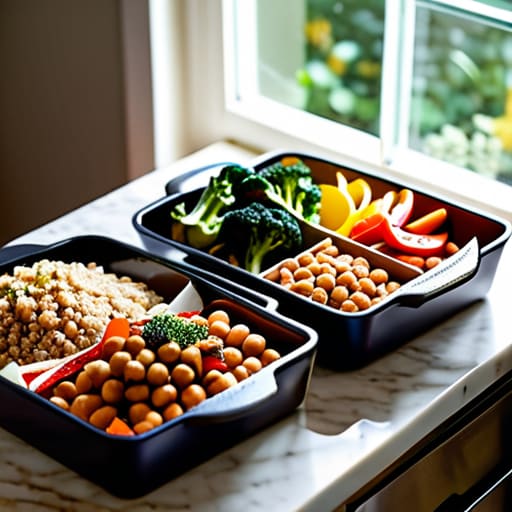
The biggest mistake I see people make is trying to plan a gourmet seven-course menu for the week. That’s not a plan; that’s a second job. If you want your system to actually stick, you need to lean into batch cooking techniques rather than individual recipes. Instead of deciding exactly what “Tuesday Dinner” is, decide what your base components are. Roast two trays of vegetables, cook a massive pot of grains, and prep two proteins. When Tuesday afternoon hits and you’re staring blankly at the fridge, you aren’t “cooking”—you’re just assembling.
Another thing: stop buying ingredients you think you should eat and start looking at what you actually enjoy. If you hate kale, don’t force it into your rotation just because some influencer said it’s the gold standard for healthy meal prep ideas. Your plan needs to survive your mood on a rainy Wednesday. I also highly recommend investing in a decent set of glass meal prep containers for storage. There is a specific kind of mental friction that comes from transferring lukewarm food from a plastic bag to a plate; skip that step and just grab the container and go.
Batch Cooking Techniques for the Time Starved Professional
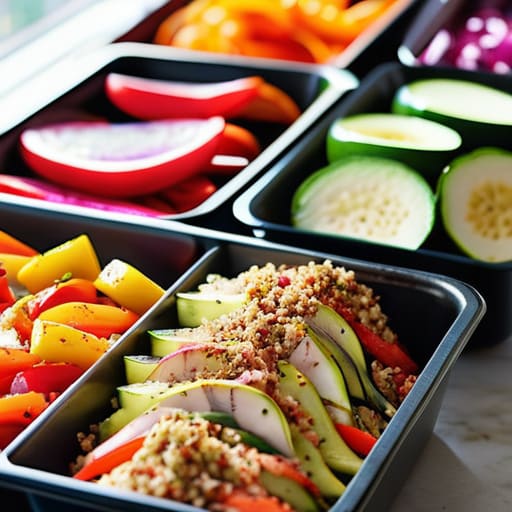
If you’re trying to cook every single meal from scratch every night, you’ve already lost the battle. The secret to sustainable batch cooking techniques isn’t about making elaborate, five-course feasts; it’s about preparing versatile components that can be assembled in minutes. I like to think of it as “modular cooking.” Instead of a finished lasagna, I roast two trays of seasoned vegetables, boil a large pot of quinoa, and grill a mountain of chicken breasts. By decoupling the ingredients, you avoid the “leftover fatigue” that kills most people’s motivation by Wednesday.
Efficiency also dictates your hardware. Don’t waste time transferring food between mismatched Tupperware; invest in high-quality, uniform meal prep containers for storage that are microwave-safe and stackable. If they don’t fit neatly in your fridge, you won’t use them. My rule of thumb is to cook once, but assemble three different ways. That same batch of roasted sweet potatoes can become a breakfast hash on Monday, a salad topper on Tuesday, and a side dish for salmon on Wednesday. It’s about minimizing decision fatigue so you can actually enjoy your evening.
Five Rules for Keeping Your Sanity in the Kitchen
- Stop trying to cook five different recipes. Pick two proteins, two grains, and three vegetables. Mix and match them throughout the week so you aren’t staring at the same flavor profile every single night.
- Invest in high-quality, uniform glass containers. If you’re using mismatched plastic tubs that leak or stack poorly, you’re adding mental friction to your lunch routine. Good containers make the system work; bad ones make you want to quit.
- Don’t prep the whole meal; prep the components. I don’t find it helpful to eat a soggy salad on Thursday. Instead, chop the onions, roast the sweet potatoes, and marinate the chicken. Assembly takes five minutes, but the food stays fresh.
- Use your “dead time” strategically. If you’re waiting for a pot of water to boil or a roast to finish, that’s when you wash the dishes or prep the next ingredient. Never let the kitchen become a graveyard of dirty pans that you’ll have to deal with later.
- Build in a “buffer night.” Do not schedule a meal prep for every single night of the week. You need one night where you just eat toast or order something simple. If your system is too rigid, you’ll abandon it the moment life gets messy.
The Bottom Line for Your Tuesday Self
Stop trying to cook five different recipes; pick two versatile bases and rotate them to avoid decision fatigue.
Prep your ingredients, not just your meals—chopping the onions and garlic ahead of time is where the real time-savings live.
Build in a “buffer night” for when the system inevitably fails, because a rigid schedule is a recipe for burnout.
The Reality of the Kitchen
Meal prepping isn’t about spending your entire Sunday in a plastic apron playing chef; it’s about building a tactical reserve of food so that when Tuesday hits and your brain is fried, you aren’t making a decision you’ll regret.
Diane Sterling-Voss
Stop Aiming for Perfection, Start Aiming for Less Friction
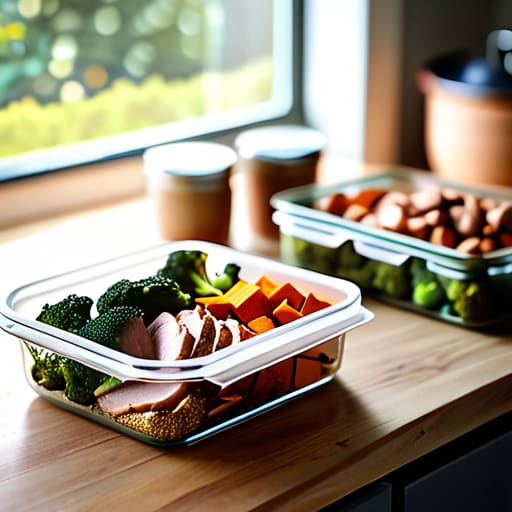
At the end of the day, meal prepping isn’t about achieving some aesthetic, Instagram-worthy pantry or spending your entire weekend hovering over a stove. It’s about the practical application of the systems we’ve discussed: planning with a realistic lens, batching components rather than entire complex meals, and choosing methods that actually fit into your existing workflow. If you can manage to prep just two versatile proteins and a large container of grains, you’ve already won half the battle. The goal is to move away from the “what’s for dinner?” panic and toward a state where your nutrition is a solved problem rather than a daily mental drain.
Don’t let the fear of a failed Sunday session stop you from starting. If you end up ordering takeout because your batch cooking went sideways, don’t scrap the whole system; just reset on Monday. Life is messy, and your kitchen will be too, but that’s exactly why we build these frameworks—to provide a safety net for when things get chaotic. Focus on the incremental wins and the extra twenty minutes of headspace you gain when you aren’t staring blankly into an empty fridge at 6:00 PM. You aren’t just prepping food; you are reclaiming your time.
Frequently Asked Questions
How do I stop my prepped meals from turning into a soggy, unappetizing mess by Thursday?
The mistake most people make is treating a meal container like a single ecosystem. If you toss cooked pasta, sauce, and fresh greens into one tub on Sunday, you’ve essentially created a science experiment by Thursday.
I don't have all Sunday to spend in the kitchen—is there a way to do this in under an hour?
Look, if you’re trying to do a full-scale culinary production in sixty minutes, you’re setting yourself up for failure. Forget the elaborate recipes. Instead, focus on “component prepping.” Spend your hour roasting two sheet pans of vegetables and boiling a big pot of grains or pasta. While those are in the oven, chop some raw protein or assembly-ready snacks. You aren’t making meals; you’re building a toolkit. It’s much faster and far more flexible.
How do I balance prepping for the week without feeling like I'm eating the exact same thing every single day?
The trick isn’t prepping full meals; it’s prepping components. Stop making five identical chicken salads. Instead, roast two trays of different vegetables, cook a large batch of a versatile grain like quinoa, and prep two distinct proteins. On Tuesday, you’re having Mediterranean bowls; on Wednesday, you’re tossing that same chicken into a quick wrap with different spices. If you prep ingredients rather than recipes, you maintain control without the monotony.