I’ve spent enough years in corporate operations to know that most people approach their kitchen like a failing project launch: they start with too much ambition and end with a mountain of expensive, wilted spinach in the crisper drawer. We’ve all been there, staring at a fridge full of “potential” on a Tuesday night, only to give up and order takeout because the mental load of deciding what to eat feels exhausting. The problem isn’t your willpower; it’s that your system is too complicated. You don’t need a culinary masterpiece; you just need healthy meal prep ideas that actually survive the transition from Sunday afternoon to a hectic Wednesday lunch break.
In this guide, I’m stripping away the performative kitchen aesthetics and the three-hour marathons that nobody actually has time for. I’m sharing five specific, battle-tested methods designed to reduce decision fatigue and keep your nutrition on track without turning your life into a second job. We aren’t talking about elaborate recipes; we’re talking about building a functional framework that works when you’re tired, busy, or just plain over it. Let’s get into the systems that actually stick.
Table of Contents
The Component Method
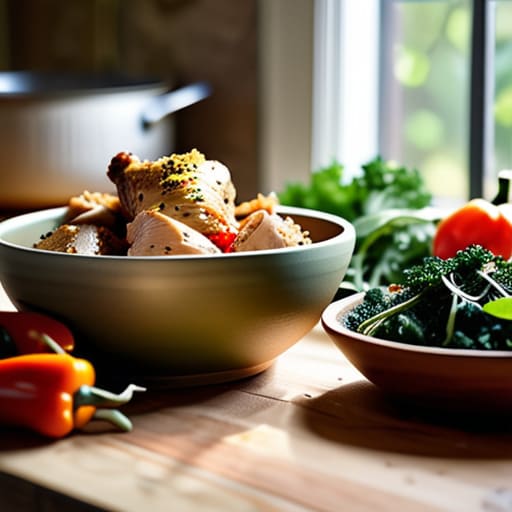
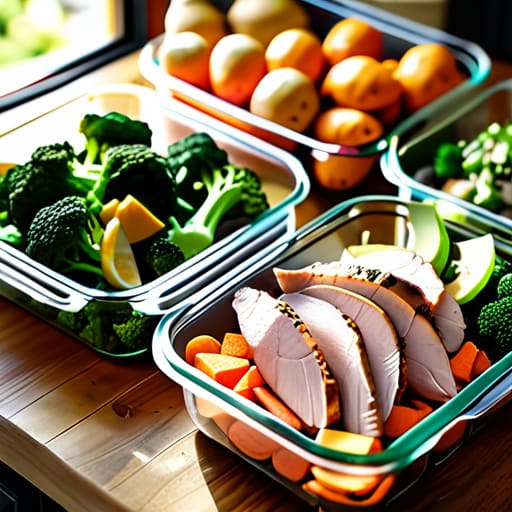
Stop trying to build entire, complex meals on a Sunday afternoon. It’s an exhausting way to spend your only day off, and frankly, it’s why most people quit meal prepping by week three. Instead, I focus on component prepping. I spend about forty-five minutes roasting a massive batch of seasoned chicken thighs, boiling a pot of quinoa, and chopping a mountain of raw vegetables.
The Sheet Pan Strategy
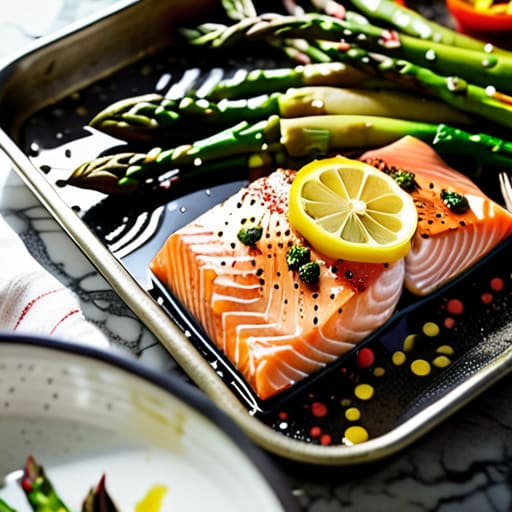
If you want to minimize the mental load of cleaning up, the sheet pan is your best friend. I don’t have the patience for a sink full of pots and pans after a long workday. The goal is to get everything on one single tray and let the oven do the heavy lifting. Think salmon fillets alongside asparagus and sliced bell peppers, or even just sausages and hearty root vegetables.
Batch-Cooked Grain Bases
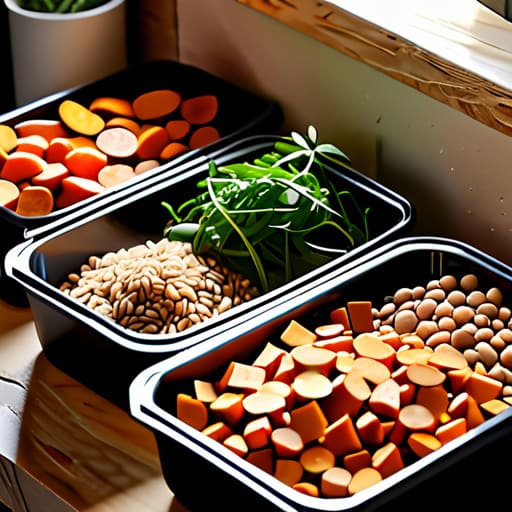
Most of my “bad” eating decisions happen when I’m hungry and there’s no substantial base to build a meal around. I’ve found that having a reliable, high-quality grain or legume base ready to go is a total game-changer for my productivity. I usually make a large batch of brown rice, farro, or lentils at the start of the week.
The "Sauce Library" Hack
The biggest mistake people make with meal prep is seasoning everything the same way during the cooking process. If everything tastes like lemon and garlic, you’re going to get bored by Wednesday. My solution is to keep a rotation of high-quality sauces in the fridge. I’m talking about a good tahini dressing, a spicy sriracha mayo, or a high-quality pesto.
Breakfast on Autopilot
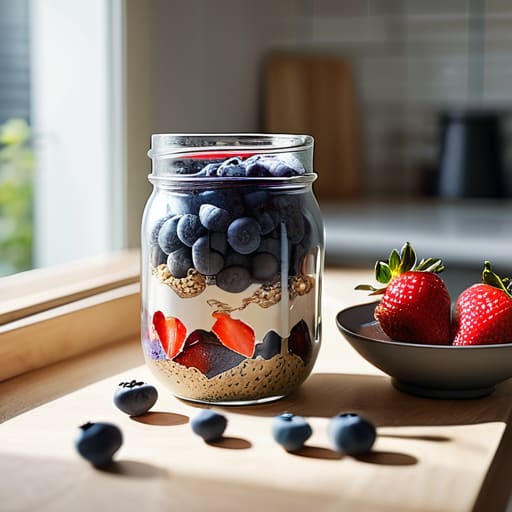
We often focus so much on lunch and dinner that we let breakfast become a chaotic, high-stress scramble. I refuse to start my morning by making a dozen decisions. I prefer the overnight oats approach or a simple egg bake. You can prep five individual jars of oats with chia seeds and frozen berries in about ten minutes on Sunday night.
The Bottom Line
Stop aiming for perfection; a half-prepped tray of roasted chicken is infinitely better than a $30 takeout order because you lacked the energy to decide what to eat.
Build systems, not chores. If your meal prep requires a deep cleaning of your kitchen every Sunday, you won’t stick to it by week three.
Focus on modular components—proteins, grains, and greens—rather than rigid recipes. It gives you the flexibility to pivot when your appetite changes mid-week.
The Philosophy of the Prep
Meal prep isn’t about spending your entire Sunday in a flour-dusted apron; it’s about making sure your Tuesday self isn’t too exhausted to make a decent decision.
Diane Sterling-Voss
Stop Aiming for Perfection
At the end of the day, meal prepping isn’t about achieving some aesthetic, Instagram-ready fridge filled with identical glass containers. It’s about building a functional buffer between your busy schedule and your next meal. Whether you’re leaning into the “cook once, eat twice” method, batch-roasting vegetables, or simply keeping a rotation of high-quality frozen staples, the goal is the same: reducing the number of decisions you have to make when you’re exhausted. If you focus on low-friction systems rather than rigid recipes, you’ll actually stick to them when life inevitably gets messy.
Don’t let the idea of a “perfect” meal plan paralyze you into ordering takeout for the third time this week. Perfection is the enemy of efficiency, and in my experience, a mediocre salad that’s already in the fridge is infinitely better than a nutritious meal that you never actually get around to cooking. Start small, pick one system that feels manageable, and let it work for you. The objective isn’t to become a chef; it’s to reclaim your mental bandwidth so you can spend your evenings doing something that actually matters.
Frequently Asked Questions
How do I keep everything from tasting like the same leftovers by Thursday?
The mistake most people make is prepping entire meals instead of components. If you prep five identical chicken-and-broccoli bowls, you’re going to hate your life by Thursday. Instead, prep “modular” ingredients: one roasted protein, two distinct grains, and a few different sauces. Keep the sauces separate. On Monday, it’s chicken with soy ginger; by Thursday, you’re using that same chicken with a lemon-tahini drizzle over quinoa. It’s the same effort, just a different result.
Is it actually worth the time to prep every single ingredient, or should I just prep the components?
Prepping every single ingredient is a trap. It’s high-effort, high-friction, and usually ends with me staring at a fridge full of chopped onions I’ll never use. Don’t do it. Focus on component prepping instead. Roast a big batch of vegetables, cook a versatile grain, and prep one protein. This gives you the flexibility to pivot. On Monday, it’s a grain bowl; on Wednesday, it’s a stir-fry. Build systems, not chores.
What's the best way to store these meals so they don't turn into a science experiment in the back of the fridge?
Stop buying those massive, mismatched plastic sets. If you want things to stay fresh, invest in a few high-quality glass containers with airtight locking lids. Glass doesn’t hold onto smells, and it won’t stain when you’re storing tomato sauce. Also, don’t overstuff them; air is the enemy. If you’re prepping for the week, keep everything in the coldest part of the fridge, and honestly, if it’s past day four, just toss it.