By 5:30 PM on a Tuesday, my brain usually feels like a browser with fifty tabs open, half of them frozen. We’ve all been there—staring into a fridge that contains nothing but a jar of pickles and half an onion, wondering why “meal planning” feels more like a second job than a helpful system. The truth is, most advice around easy dinner recipes is either way too complicated or relies on ingredients you’ll never actually use. I don’t have the mental bandwidth for a twelve-step process involving specialized kitchen gadgets or a trip to three different grocery stores just to get through one evening.
I’m not here to sell you on gourmet cooking; I’m here to help you reclaim your evening. In this post, I’m sharing five specific, battle-tested meal systems that prioritize efficiency without sacrificing actual nutrition. These aren’t just random ideas; they are low-friction solutions designed to get you from “starving” to “sitting down” in under twenty minutes. You’ll learn how to build meals that work with the messy reality of a busy life, ensuring you spend less time scrubbing pans and more time actually recharging.
Table of Contents
The Sheet Pan Standard
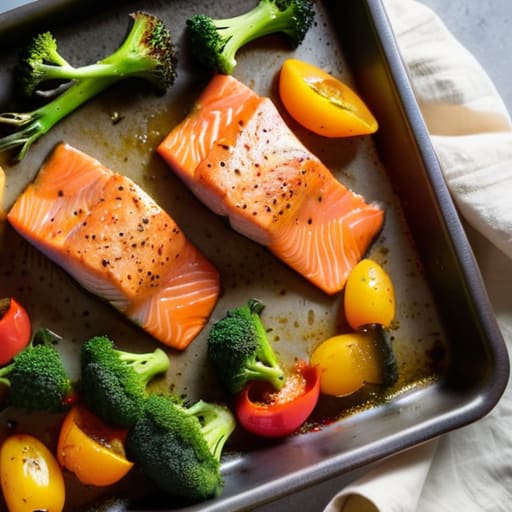
When my brain is fried by 6:00 PM, I don’t want to stand over a stove managing multiple pans. The sheet pan method is my personal go-to because it minimizes the cleanup friction that usually follows a meal. You simply toss a protein—think salmon fillets or chicken thighs—alongside some hearty vegetables like broccoli or bell peppers in olive oil and salt, then slide it into the oven.
The One-Pot Pantry Pasta
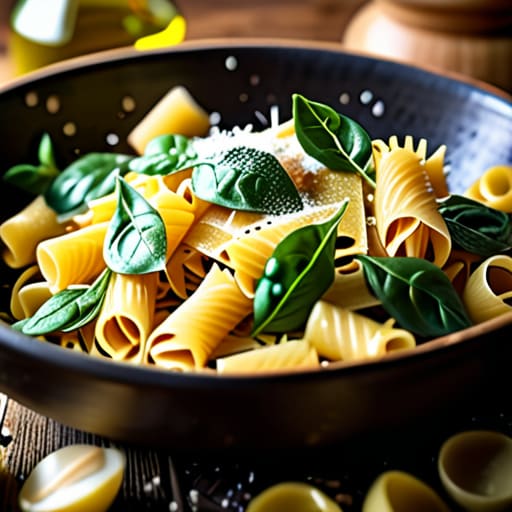
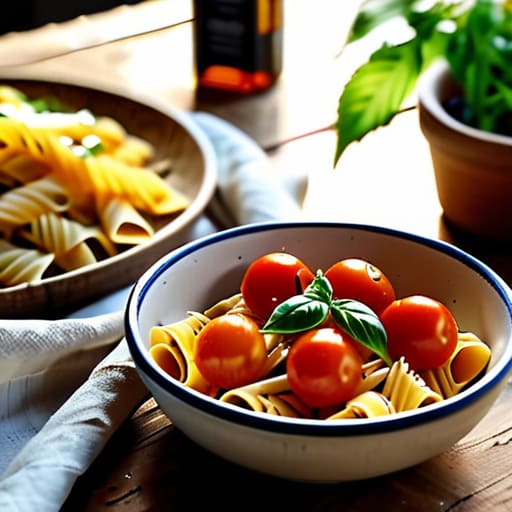
Most people make cooking complicated by buying specialized ingredients they’ll only use once. I prefer the “pantry raid” approach, specifically a simple pasta dish that relies on items you likely already have in your cupboards. Boil your pasta, and in the last three minutes, throw in some frozen peas or spinach. Drain it, then toss everything back into the pot with olive oil, garlic powder, and a generous amount of parmesan.
Rotisserie Chicken Shortcuts
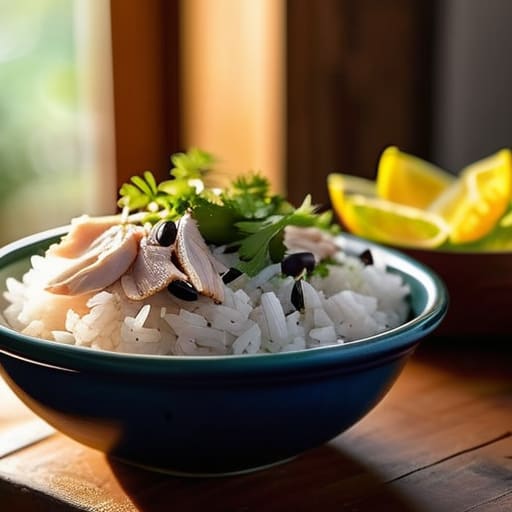
If you’re looking to shave twenty minutes off your evening, stop trying to roast a chicken from scratch on a weekday. I always keep a store-bought rotisserie chicken in my mental rotation of “emergency” assets. It is the ultimate pre-optimized protein. You can shred the meat immediately for tacos, toss it into a pre-mixed salad, or serve it alongside some steamed rice and beans.
Breakfast for Dinner
There is a specific kind of mental fatigue that hits mid-week where even deciding what to cook feels like a chore. In those moments, I revert to the simplest system I know: breakfast. Scrambled eggs, whole-grain toast, and perhaps some sliced avocado require almost zero cognitive load. You don’t need to check a recipe or time multiple components to perfection.
The Grain Bowl Assembly Line
I treat my grain bowls like a modular system rather than a single recipe. You need a base—usually a quick-cooking grain like quinoa or even microwaveable brown rice—a protein, and a fat source. Once you have those components prepped or easily accessible, the assembly process becomes a simple matter of stacking. Add some canned chickpeas, a scoop of hummus, and whatever raw veggies are looking fresh in the fridge.
The Bottom Line for Your Weeknight Workflow
Stop aiming for culinary perfection; aim for fuel that doesn’t require a sink full of dishes or an hour of mental energy you don’t have.
Build a “pantry baseline” of versatile staples so you’re never staring at an empty fridge and a mounting sense of decision fatigue.
If a recipe requires more than three specialized tools or a complicated prep sequence, it’s not a weeknight meal—it’s a weekend project. Leave it for Saturday.
The Philosophy of the Weeknight Meal
A recipe isn’t a creative project; it’s a logistical solution. If a meal requires more mental heavy lifting than it provides actual nourishment, the system has failed. We aren’t aiming for culinary perfection—we’re aiming to feed ourselves without draining the battery we need for tomorrow.
Diane Sterling-Voss
The Bottom Line
At the end of the day, these five recipes aren’t about culinary excellence or impressing anyone on Instagram; they are about reducing decision fatigue. Whether you’re leaning on a single-pan roast or a quick pantry pasta, the goal is to move from “what are we eating?” to “dinner is served” with as little friction as possible. By standardizing a few reliable, low-effort meals, you stop treating every Tuesday evening like a high-stakes crisis and start treating it like a manageable part of your routine. The system works because it respects your time and your limited energy reserves.
Don’t feel like you need to master every single one of these at once. Pick the one that sounds the least intimidating and try it this week. The real win isn’t the meal itself, but the extra twenty minutes of quiet you gain once the dishes are rinsed and the kitchen is closed. Life is messy enough without making your kitchen feel like a second job. Focus on sustainable simplicity, and let the rest of the evening belong to you.
Frequently Asked Questions
How can I keep these recipes efficient if I don't have time for a full grocery run every single week?
Stop treating grocery shopping like a weekly chore and start treating it like inventory management. Pick five “anchor” ingredients—think versatile staples like lemons, garlic, olive oil, a bag of spinach, and a reliable protein—that you always keep on hand. Build your weekly list around these constants. If you have the base, you’re never starting from zero. It’s about reducing the number of decisions you have to make when you’re tired.
What are the best ways to prep these ingredients ahead of time without everything turning into a soggy mess in the fridge?
The secret is moisture management. Never pre-mix your dressings or sauces with the greens; keep them in separate, airtight containers. If you’re chopping veggies, use a paper towel at the bottom of your storage container to soak up excess humidity. For grains or proteins, wait to combine them with anything “wet” until the moment you’re ready to eat. It’s a small extra step, but it prevents that dreaded, soggy Tuesday night disappointment.
Can I adapt these systems for a single person, or are they all geared toward feeding a family?
These systems are actually more effective for one person. When you’re cooking for a crowd, you’re managing logistics; when you’re cooking for yourself, you’re managing efficiency. The goal isn’t to scale up the portions, it’s to scale down the decision fatigue. Use the same batch-cooking principles, but aim for three distinct meals rather than five. It’s about minimizing the cleanup and the grocery run, regardless of how many plates are on the table.