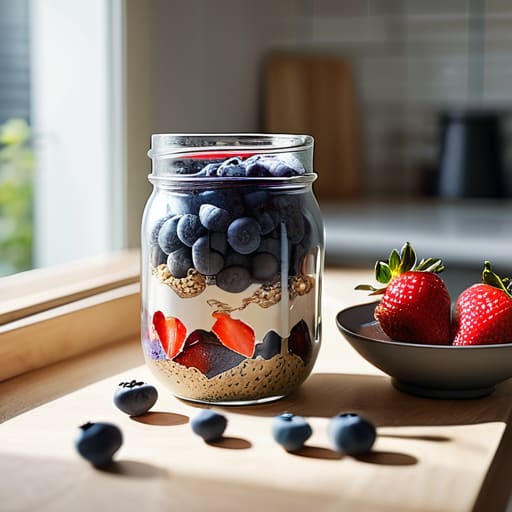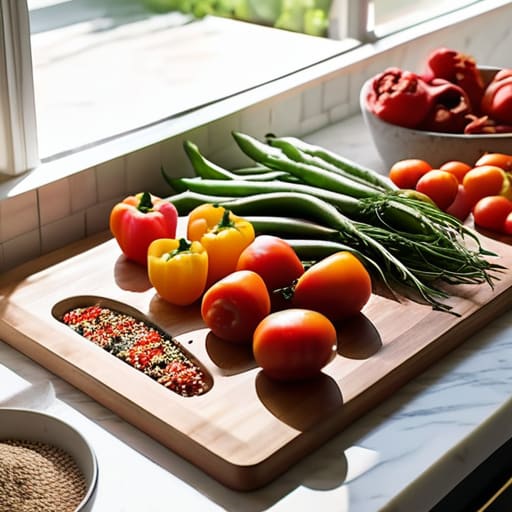
If you’ve spent any time on social media lately, you’ve probably seen someone claiming that learning how to meal plan requires a $400 aesthetic glass container set and four hours of Sunday afternoon labor. I’m here to tell you that’s complete nonsense. I spent fifteen years in corporate operations, and if there’s one thing I learned, it’s that a system that relies on perfect conditions is a system destined to fail. If your plan requires you to be a gourmet chef and a professional organizer just to get through a Wednesday, you haven’t built a system; you’ve built a second job.
I’m not interested in the Pinterest-perfect prep that looks great in photos but falls apart the moment a real-life crisis hits your inbox. Instead, I want to show you how to build a low-friction framework that actually survives the messy reality of a working week. We are going to focus on high-yield, minimal-effort strategies that prioritize your mental bandwidth over aesthetic containers. My goal is to give you a battle-tested method that works even when you’re exhausted, ensuring you spend less time staring blankly into a fridge and more time doing what actually matters.
Table of Contents
Budget Friendly Meal Planning for Real Life
Look, I’ve seen enough “budget” meal plans to know they usually involve eating nothing but lentils and unseasoned rice for a month. That’s not a system; that’s a punishment. Real budget friendly meal planning isn’t about deprivation; it’s about reducing waste. When I sit down with my planner, I don’t look for recipes first. I look at what’s already in my pantry and what’s currently on sale at the market. If chicken thighs are half-off, my week revolves around chicken. It’s much easier to build a menu around existing inventory than to chase a Pinterest board that requires a $40 grocery haul of specialty spices.
Once you have your core ingredients, lean into batch cooking strategies to keep the costs down. Instead of buying pre-cut vegetables or individual snack packs—which are essentially just a “convenience tax”—buy the bulk versions and spend twenty minutes on a Sunday slicing them up. It’s a small upfront investment of time that pays dividends when you’re staring at a fridge full of half-used ingredients on a Thursday night. Stop buying for the person you wish you were and start buying for the person who actually has to cook on a Tuesday.
Healthy Weekly Menu Ideas Without the Stress
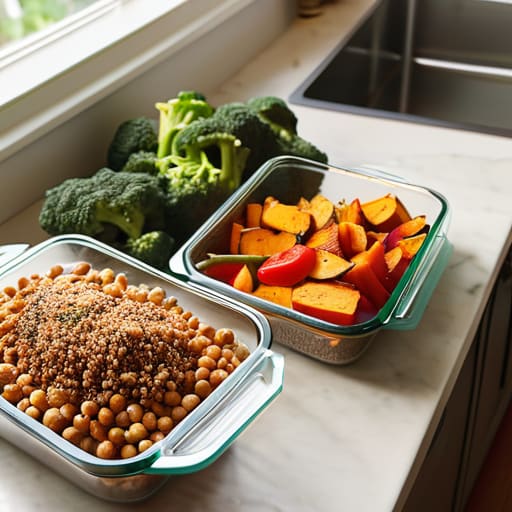
The biggest mistake I see people make is trying to build a menu that looks like a culinary magazine. If your plan requires fifteen different spices and three hours of chopping every single night, you aren’t planning; you’re setting yourself up for failure. Instead, look for healthy weekly menu ideas that rely on “component cooking.” This means you aren’t making five distinct recipes; you’re making one large batch of roasted vegetables, a grain like quinoa, and two proteins. Once those are in the fridge, you can pivot between a grain bowl one night and a hearty salad the next without starting from scratch.
If you are just starting out, lean heavily on batch cooking strategies to reduce your daily cognitive load. Pick one afternoon—Sunday or even a lazy Monday—to cook a large pot of something versatile, like a lentil stew or a pulled chicken. This isn’t about spending your entire weekend in the kitchen; it’s about making sure that when 6:00 PM hits on a Wednesday and you’re exhausted, you have a high-quality option ready to go. Keep it simple, keep it repeatable, and most importantly, keep it realistic.
Five Rules to Keep Your System From Breaking
- Stop trying to cook five different recipes. Pick two main proteins or bases and rotate them. If you’re making roasted chicken on Monday, use the leftovers for a grain bowl on Wednesday. Complexity is the enemy of consistency.
- Shop your pantry before you shop the store. I’ve wasted far too much money buying a second jar of cumin when I already had one hiding in the back of the cupboard. If you have pasta and canned tomatoes, that’s your Tuesday night solution right there.
- Build a “Emergency Meal” list. This is a list of three meals that require zero brainpower and zero prep—think frozen dumplings or breakfast for dinner. When the workday runs late and your mental bandwidth is at zero, don’t fight the system; just use the fallback.
- Buy versatile ingredients, not specific ones. Instead of buying a specialized sauce for one specific dish, buy high-quality olive oil, garlic, and lemons. You can make a dozen different things with those, and they won’t sit rotting in your crisper drawer.
- Don’t plan for perfection; plan for reality. If you know Thursday is your heaviest meeting day, do not schedule a recipe that requires forty minutes of chopping. Match your meal complexity to your actual energy levels, not your ideal self.
The Bottom Line
Stop aiming for culinary perfection; aim for predictability. A plan that works is one you actually follow, not one that looks good on a whiteboard.
Build your meals around a few versatile staples rather than a hundred unique ingredients. It lowers the grocery bill and the mental load of decision-making.
Leave room for the inevitable chaos. If a Tuesday afternoon goes sideways, have a “fallback meal” (like frozen dumplings or breakfast for dinner) ready so you don’t abandon the system entirely.
The Reality of the System
“Meal planning isn’t about crafting a culinary masterpiece every night; it’s about building a buffer between your exhausted Tuesday self and the decision fatigue that leads to expensive, mediocre takeout.”
Diane Sterling-Voss
The Bottom Line
At the end of the day, meal planning isn’t about achieving some aesthetic, color-coded culinary perfection that looks good on a screen. It’s about the math: less money wasted on takeout, less mental energy spent staring blankly into a fridge at 6:00 PM, and a significantly lower chance of a household meltdown. Whether you’re sticking to a strict budget or just trying to squeeze more vegetables into your Tuesday night routine, the goal is to build a system that serves you, not a chore that drains you. Keep your lists short, your ingredients versatile, and your expectations grounded in reality.
Don’t feel like you have to overhaul your entire kitchen this weekend. Start small—maybe just plan three dinners for next week and see how that feels. If it fails, tweak the system and try again. Life is too messy for rigid perfection, and your meal plan should be flexible enough to handle a late meeting or a sudden change in plans. The point of all this effort isn’t to become a professional chef; it’s to reclaim your time so you can actually enjoy your evening once the cooking is done. Now, go close that planner and get some rest.
Frequently Asked Questions
How do I handle the inevitable "I don't feel like cooking" nights without throwing the whole plan out the window?
Build a “Safety Net” tier into your plan. This isn’t about failure; it’s about contingency. I keep two frozen, high-quality meals and one “assembly-only” option (think rotisserie chicken and bagged salad) in the pantry at all times. When the mental fatigue hits, you don’t pivot to takeout and regret; you pivot to the safety net. It’s a low-friction fallback that preserves your budget and your sanity.
What’s the most efficient way to shop for a week's worth of meals without spending two hours wandering the aisles?
The secret is to stop treating the grocery store like a scavenger hunt. Shop your pantry first to see what you actually have, then build your list around those staples. Group your list by aisle—produce, dairy, dry goods—so you’re moving in a single, logical loop rather than zig-zagging across the store. If you can, order online for pickup. It eliminates impulse buys and keeps you focused on the mission.
How much actual prep work should I do on Sunday versus just doing it as I go during the week?
Don’t fall into the trap of spending five hours in the kitchen on Sunday only to feel burnt out by Monday night. I follow a “component” system rather than a “meal” system. On Sunday, I prep the friction points: chop the onions, roast a big batch of versatile veggies, and cook one grain. Everything else—the actual assembly and cooking—happens as you go. Prep the ingredients, not the finished dishes.