I was sitting at my desk last Tuesday, halfway through a delicate recalibration of a 1970s Moog synthesizer, when my phone buzzed with a frantic alert: someone in a different time zone was trying to reset my primary email password. In that moment of sheer, cold annoyance, I realized how much we rely on a single, fragile line of defense. Most people treat digital security like a suggestion rather than a necessity, and frankly, I’m tired of seeing “experts” overcomplicate the solution with expensive hardware tokens or convoluted software suites. If you’ve ever sat there wondering, what is two step verification actually supposed to do for me besides add another annoying step to my login process, you aren’t alone.
I’m not here to sell you on a complex security overhaul that eats up your afternoon. My goal is to strip away the jargon and show you how to set up a battle-tested system that protects your data without becoming a second job. I’ll walk you through the most efficient ways to implement this, focusing on methods that provide maximum protection with minimum friction. Let’s get your digital life locked down so you can get back to the things that actually matter.
Table of Contents
- Multi Factor Authentication Explained Without the Tech Jargon
- Protecting Online Accounts From Hackers Using Real World Logic
- Five Ways to Set It Up Without Losing Your Mind
- The Bottom Line: What You Actually Need to Do
- ## The Reality of Digital Security
- The Bottom Line on Digital Defense
- Frequently Asked Questions
Multi Factor Authentication Explained Without the Tech Jargon
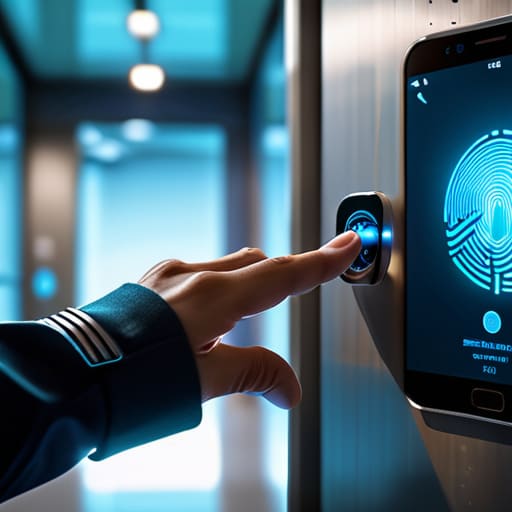
Look, I’m not a software engineer, and I don’t have the patience for a lecture on encryption protocols. When we talk about multi-factor authentication explained in plain English, think of it as a two-stage security checkpoint. Imagine you’re trying to get into a high-security building. Having a password is like having a key to the front door; it’s a good start, but it’s not foolproof. If someone steals that key, they’re in. Multi-factor authentication adds a second requirement—maybe a fingerprint scan or a unique code sent to your phone—that ensures the person holding the key is actually you.
This identity verification process is designed to create friction for the bad guys, not for you. You’ll usually encounter two main ways to handle this extra step. You might get a text message with a six-digit code, or you might use an authenticator app vs SMS code setup. Personally, I prefer the app; it’s more reliable and doesn’t depend on a cell signal. Either way, the goal is simple: adding one more layer of defense so you can stop worrying about your digital life and get back to your actual day.
Protecting Online Accounts From Hackers Using Real World Logic
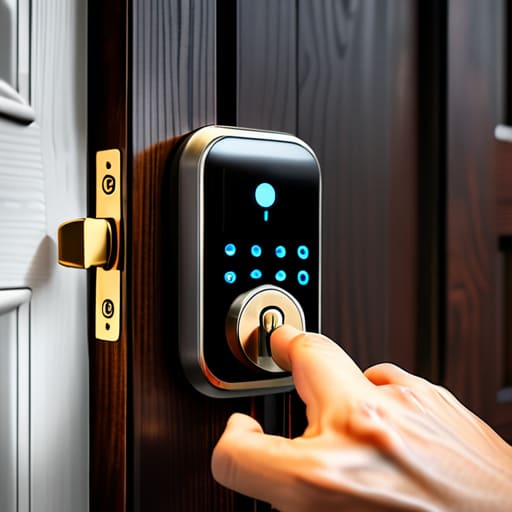
Think of your digital security like the physical security of your home. A single password is essentially a front door lock. It’s fine for a low-stakes neighborhood, but if someone manages to copy your key, they’re in. Protecting online accounts from hackers requires more than just one point of failure. By adding a second layer—like a deadbolt or a security gate—you ensure that even if someone steals your key, they still can’t get through the perimeter. This is the core logic behind the identity verification process: you aren’t just proving you know a secret; you’re proving you actually possess the device in your hand.
When you’re deciding how to set this up, you’ll likely face the choice of an authenticator app vs SMS code. I’ll be blunt: if you want efficiency and actual security, skip the text messages. SMS codes can be intercepted through “SIM swapping,” which is a fancy way of saying hackers can hijack your phone number. Using an app is much more robust and, frankly, more reliable when you’re trying to manage a busy schedule without unnecessary friction.
Five Ways to Set It Up Without Losing Your Mind
- Use an authenticator app instead of SMS. Text messages can be intercepted or diverted through SIM swapping, but an app like Google Authenticator or Authy stays tied to your physical device. It’s a small shift that offers much better security.
- Print out your backup codes and put them in a physical file. Every time you set up 2FA, the service gives you a list of one-time recovery codes. Don’t leave them in a random Word doc; put them in a drawer where you actually keep your important papers.
- Prioritize hardware security keys for your most sensitive accounts. If you’re managing high-stakes finances or primary email accounts, a physical USB key like a YubiKey is the gold standard. It’s the digital equivalent of a deadbolt.
- Don’t enable 2FA on every single low-stakes account at once. If you try to do everything in one afternoon, you’ll burn out and skip the important ones. Start with your email, your bank, and your primary social media. Build the habit incrementally.
- Check your “trusted devices” settings periodically. If you’ve logged into a public computer or a friend’s tablet, make sure you haven’t accidentally told that device to “remember me” for thirty days. It’s a tiny bit of digital housekeeping that prevents a massive headache later.
The Bottom Line: What You Actually Need to Do
Treat 2FA as your digital insurance policy—it’s a minor inconvenience today that prevents a massive, time-consuming headache tomorrow.
Prioritize authenticator apps over SMS codes whenever possible; they’re more secure and don’t rely on a shaky cell signal.
Set up your backup codes immediately and tuck them in your physical planner or a safe place; don’t wait until you’re locked out to realize you’re stranded.
## The Reality of Digital Security
“We spend so much time trying to remember complex passwords that we forget the real goal isn’t to have a perfect secret; it’s to have a system that works even when we’re tired, distracted, or just plain human. Two-step verification isn’t an extra chore—it’s the digital equivalent of double-checking that the stove is off before you leave the house.”
Diane Sterling-Voss
The Bottom Line on Digital Defense
At the end of the day, two-step verification isn’t about adding more chores to your to-do list; it’s about building a sustainable safety net. We’ve covered how it works, why a password alone is essentially a screen door in a thunderstorm, and how adding that second layer of authentication—whether it’s a code on your phone or a physical security key—drastically reduces your surface area for attack. It’s a small, intentional friction point that prevents the massive, soul-crushing friction of a hacked bank account or a stolen identity. If you do nothing else today, go into your most important accounts—email, banking, and primary social media—and turn it on.
I know, I know. It feels like one more thing to manage in an already cluttered digital life. But I look at it through the lens of efficiency: spending ten seconds on a verification code today is infinitely better than spending ten hours on the phone with a fraud department next month. My goal is to help you eliminate unnecessary chaos, and securing your digital perimeter is the most effective way to do that. Don’t let a single weak password derail your peace of mind. Set the system up once, let it work for you, and then get back to the things that actually matter.
Frequently Asked Questions
What happens if I lose my phone or can't access my authentication app?
This is the part that makes everyone sweat, but it doesn’t have to be a catastrophe. If you lose your phone, you’re essentially locked out of your own digital house. To prevent a total meltdown, you need to use your backup codes—those one-time use strings you should have saved when you first set up 2FA. If you didn’t save them, you’ll be stuck in a slow, manual recovery process with the service provider. Do better next time: print those codes out and put them in your physical planner.
Is using an SMS text code actually secure, or is there a better way?
Look, I get it. SMS codes are better than nothing, and they’re convenient because they’re already in your pocket. But if we’re being honest? They’re the weakest link in the chain. Hackers can intercept them through “SIM swapping,” which is basically identity theft via your phone provider. If you want real peace of mind without the headache, move to an authenticator app like Authy or Google Authenticator. It’s a tiny bit more friction, but it’s significantly harder to crack.
Won't this constant prompting just slow me down and cause more friction in my workday?
It feels like friction, I get it. But look at it this way: a three-second prompt is a tiny tax to pay to avoid a three-day nightmare of identity theft and locked accounts. I’ve seen enough corporate meltdowns to know that “convenience” is often just a polite word for “vulnerability.” If you spend five seconds on a prompt now, you aren’t losing time; you’re buying insurance against a massive, systemic headache later.