I spent fifteen years in corporate operations, so I’m trained to spot inefficiency the moment it enters a room. But honestly? Nothing tests my systems quite like the 5:00 PM scramble when the kids are hungry and the “what’s for dinner” debate begins. Most advice out there suggests spending your entire Sunday in a kitchen surrounded by Tupperware, but that’s not a system; it’s a second job. We need kid friendly meals that actually work in the messy reality of a weekday, not some Pinterest-perfect fantasy that requires three hours of prep and a degree in culinary arts.
I’m not interested in complicated recipes that leave you with a sink full of dishes and zero mental bandwidth left for yourself. Instead, I’ve narrowed down five reliable, low-friction options that prioritize minimal cleanup and maximum cooperation from even the pickiest eaters. These aren’t just food ideas; they are tactical solutions designed to eliminate the decision fatigue that usually hits right when you’re most exhausted. Let’s get through dinner without the drama so you can actually enjoy your evening.
Table of Contents
The "Assembly Line" Taco Night
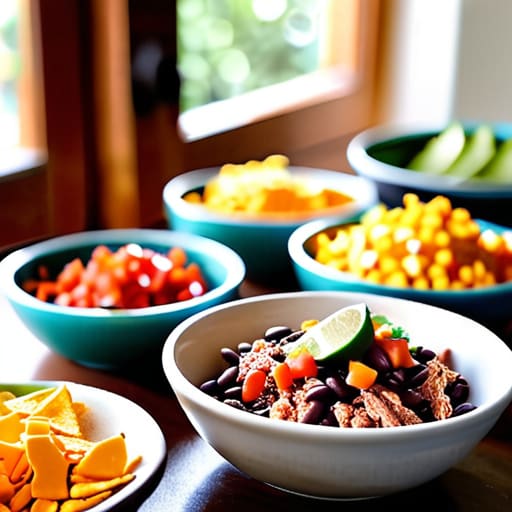
I’ve learned that the biggest mistake in weeknight cooking is trying to plate everything yourself. When you’re dealing with kids, the goal is to remove the decision fatigue from the equation. Set out small bowls with shredded cheese, mild salsa, pre-cooked protein, and maybe some corn or beans, and let them build their own tacos. It turns a potential battle of “I don’t want that on my plate” into a sense of autonomy that usually keeps them quiet for at least ten minutes.
Sheet Pan Sausage and Veggies
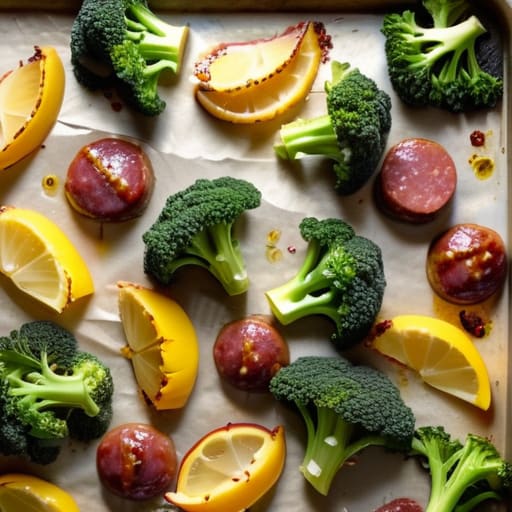
If you want to minimize the dishes you have to scrub later, the sheet pan is your best friend. I keep a bag of frozen broccoli and some pre-sliced smoked sausage in the freezer for exactly this reason. Toss them in olive oil and a little salt, spread them out on a parchment-lined tray, and let the oven do the heavy lifting. It’s a low-friction meal that requires almost zero mental bandwidth to execute.
Breakfast for Dinner

There is a specific kind of magic in serving scrambled eggs and toast at 6:00 PM. It’s fast, it’s cheap, and it almost always works. I don’t bother with fancy omelets; we’re talking about the basics. If you want to level up without adding complexity, throw some frozen waffles in the toaster and call it a day. It’s a reliable fallback plan for when the grocery store run didn’t happen or the workday ran late.
The Rotisserie Chicken Pivot
A grocery store rotisserie chicken is perhaps the most undervalued tool in a functional kitchen. I usually pick one up on my way home, and it serves as the foundation for at least two different meals. On night one, it’s just chicken and some steamed peas. On night two, you shred the leftovers into a quick pasta or a basic quesadilla. It’s about maximizing your inventory so you aren’t starting from scratch every single evening.
Deconstructed Pasta Bar
Pasta is the universal language of picky eaters, but the struggle usually comes from the sauce. Instead of making a massive pot of marinara that everyone might reject, I serve the components separately. Cook a box of rotini or penne—shapes are easier for small hands to manage—and serve it alongside a small bowl of sauce and a bowl of parmesan cheese. This allows them to control the variables, which is the fastest way to avoid a dinner-table standoff.
The Bottom Line
Stop aiming for culinary perfection; a predictable rotation of five reliable meals is worth more than a hundred complex recipes you’ll never actually make.
Minimize decision fatigue by keeping the same core ingredients on hand so you aren’t starting from zero every time the clock hits 5:00 PM.
Focus on reducing friction, not increasing effort—if a meal requires more than twenty minutes of active prep, it’s probably not a sustainable system for a busy weeknight.
The Goal of the Weeknight Meal
“Stop trying to win a culinary award at 6:00 PM on a Tuesday. A kid-friendly meal isn’t about gourmet presentation; it’s about reducing the friction between hunger and a peaceful evening. If it’s nutritious enough to fuel them and simple enough to keep you sane, you’ve already won.”
Diane Sterling-Voss
The Bottom Line
At the end of the day, these meals aren’t about culinary perfection or achieving some Instagram-worthy aesthetic. They are about reducing the number of decisions you have to make when your brain is already fried from a long workday. Whether you’re leaning on the simplicity of a breakfast-for-dinner night or relying on that rotation of five reliable recipes, the goal is to eliminate the decision fatigue that usually leads to expensive, unhealthy takeout orders. Stick to the systems that work for your specific family dynamic, and don’t feel guilty about choosing the path of least resistance when the clock is ticking.
We spend so much of our lives trying to optimize every single second, but some things shouldn’t be over-engineered. Feeding your kids shouldn’t feel like a second job or a high-stakes performance. If the meal is nutritious enough and everyone is sitting at the table together, you have already won the day. Let go of the pressure to be a gourmet chef every single night and focus on protecting your mental bandwidth instead. Once the kitchen is closed and the dishes are (mostly) done, you’ll realize that the extra twenty minutes you saved wasn’t just about the food—it was about having the energy to actually enjoy your evening.
Frequently Asked Questions
How do I handle picky eaters without turning every dinner into a negotiation?
Stop negotiating. Every time you try to bargain for “one more bite,” you’re just teaching them that dinner is a boardroom meeting they can win. Instead, use the “deconstructed” method. If you’re making tacos, don’t serve a messy pile; put the components in separate bowls. Let them control the assembly. It reduces the sensory overwhelm that triggers picky behavior and saves your mental bandwidth for something more important than a debate over broccoli.
Is there a way to prep these meals ahead of time without everything getting soggy or unappealing by mid-week?
The trick is to stop thinking about “meal prepping” as one giant batch and start thinking about component assembly. Don’t mix the sauce with the pasta or the dressing with the greens. Keep your proteins, starches, and sauces in separate, airtight containers. If you’re doing something like tacos or bowls, prep the individual elements. It takes an extra ten minutes on Sunday, but it prevents that dreaded mid-week mush.
What are some low-effort ways to sneak more vegetables into these specific dishes if my kids are suspicious of anything green?
If they’re suspicious of anything green, stop trying to make them eat “vegetables” and start focusing on texture and color. Puree steamed cauliflower into mac and cheese sauce, or blend carrots into your marinara until it’s completely smooth. You can also finely grate zucchini into taco meat; it disappears once it hits the heat. The goal isn’t a nutrition lecture; it’s about increasing the nutrient density without triggering a standoff at the dinner table.