I spent most of my twenties watching “wellness influencers” preach about $15 jars of organic chia seeds and specialized superfood powders that cost more than my monthly utility bill. It’s exhausting, and frankly, it’s a lie. Most people don’t need a curated collection of exotic grains to stay healthy; they need a system that doesn’t collapse the moment a deadline runs late. If you are looking for a way to master how to stock a healthy kitchen without turning your pantry into a high-end boutique or a source of constant decision fatigue, you are in the right place.
I’m not here to sell you on a lifestyle overhaul that requires three hours of meal prep every Sunday. Instead, I’m going to show you how to build a functional, high-utility inventory using the same principles I use to optimize corporate workflows. We are going to focus on a few versatile staples and smart shortcuts that actually work in the messy reality of a busy week. No fluff, no expensive gimmicks—just a battle-tested framework to keep you fed and focused.
Table of Contents
Nutritious Grocery List Essentials That Actually Last
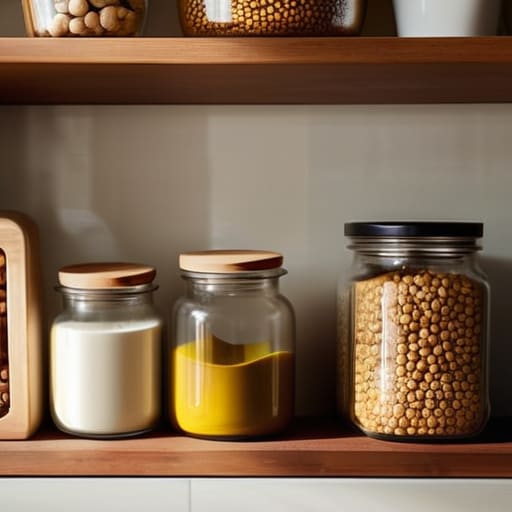
The goal isn’t to build a gourmet showroom; it’s to build a functional inventory. I focus on whole food pantry staples that act as building blocks rather than finished products. Think dry lentils, quinoa, canned chickpeas, and extra virgin olive oil. These items have a long shelf life and require almost zero cognitive load to use. If you have a base of complex carbohydrates and a reliable fat source, you’re already halfway to a decent meal.
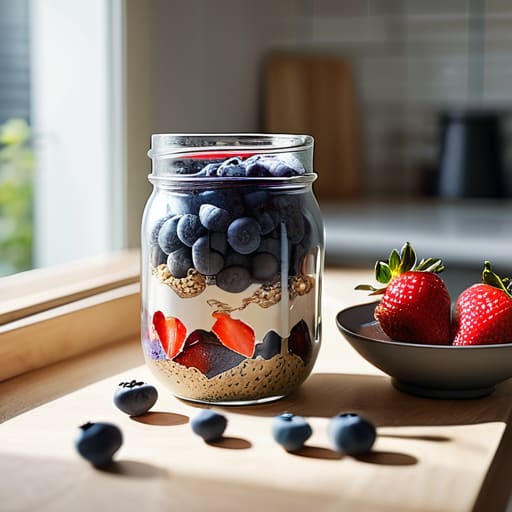
When it comes to the perishables, I follow a “staggered freshness” logic. Don’t buy a mountain of spinach if you aren’t going to eat it by Thursday. Instead, prioritize items that bridge the gap between fresh and frozen. I keep bags of frozen wild-caught salmon and organic berries in the freezer at all times—they are essentially insurance against a bad decision when you’re too tired to cook. Integrating these nutritious grocery list essentials ensures that even when your Tuesday afternoon turns into a chaotic mess, you aren’t forced to default to takeout.
A Low Processed Food Shopping Guide for Real Life
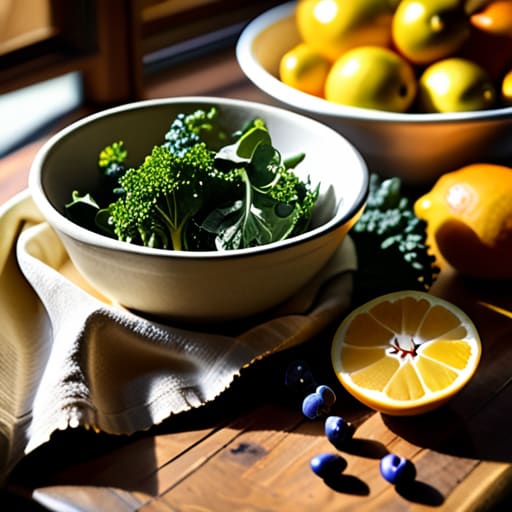
The problem with most “clean eating” advice is that it assumes you have the time to spend forty minutes reading every single ingredient label in the aisle. In reality, you’re usually tired, hungry, and just trying to get through the checkout line. My approach to a low processed food shopping guide isn’t about perfection; it’s about reducing the number of decisions you have to make. If a product has a list of ingredients that looks like a chemistry textbook, put it back. Stick to the perimeter of the store where the actual food lives.
Instead of hunting for specialized “health foods” that cost three times as much, focus on building a foundation of whole food pantry staples like dried lentils, quinoa, and canned sardines. These items are shelf-stable, require minimal effort, and serve as the backbone for most of my weekday meals. When you prioritize items that are just one ingredient, you automatically bypass the hidden sugars and inflammatory oils that make processed foods so draining. It’s not about a lifestyle overhaul; it’s just about buying smarter, not harder.
Five Rules for a Kitchen That Works for You
- Shop by category, not by recipe. If you try to follow a rigid meal plan, you’ll end up throwing away half a bunch of cilantro and a container of heavy cream by Thursday. Instead, buy versatile components—grains, proteins, and aromatics—that can pivot from a stir-fry to a grain bowl without a second thought.
- Embrace the frozen aisle. There is a persistent, unnecessary stigma around frozen vegetables, but they are often more nutrient-dense than the “fresh” produce that’s been sitting in a shipping container for a week. Keep frozen peas, spinach, and berries on hand to prevent the inevitable “nothing to eat” panic.
- Master the “emergency meal” trio. Always have three non-perishable, high-quality meals in the pantry for those nights when your brain is too fried to cook. I’m talking about things like high-quality canned tuna, a jar of decent marinara, and a box of whole-grain pasta. It’s better than ordering takeout.
- Audit your inventory before you leave the house. I know, it sounds like extra work, but spending two minutes checking your fridge prevents the “double-buy” cycle. There is nothing more frustrating than coming home with a new jar of tahini only to realize you already had one buried in the back of the cupboard.
- Focus on flavor anchors. A healthy kitchen shouldn’t taste like cardboard. Keep a small, curated selection of high-impact condiments—good balsamic vinegar, a decent hot sauce, and maybe some miso paste—to make even the simplest meal feel intentional rather than accidental.
The Bottom Line
Stop aiming for a “perfect” pantry and start aiming for versatility; if your staples can’t be used in at least three different meals, they’re just taking up space.
Prioritize “low-effort nutrition” by keeping frozen vegetables and quick-cook proteins on hand to prevent the inevitable 6 PM takeout trap.
Focus on reducing decision fatigue by building a repeatable shopping list that relies on proven, shelf-stable essentials rather than chasing every new wellness trend.
The Philosophy of the Prepared Pantry
A healthy kitchen isn’t about having a gourmet ingredient list that sits untouched in your cupboard; it’s about having enough versatile, reliable staples on hand so that when you’re exhausted on a Tuesday night, you actually eat instead of ordering takeout.
Diane Sterling-Voss
Stop Aiming for Perfection
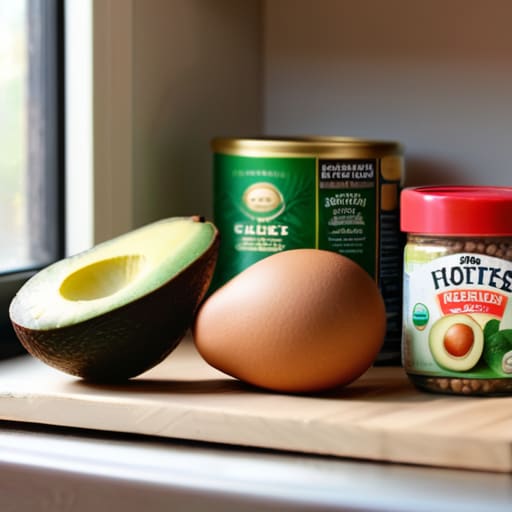
At the end of the day, a well-stocked kitchen isn’t about having a curated collection of organic superfoods that look good in a glass jar. It’s about having the right foundational building blocks—those versatile proteins, frozen greens, and pantry staples—ready to go when your energy hits a wall. We’ve covered how to pick items that won’t rot in the crisper drawer and how to navigate the aisles without getting bogged down by marketing jargon. The goal is to reduce the number of decisions you have to make when you’re tired, hungry, and staring at a half-empty fridge. If you have the essentials on hand, you’ve already won half the battle.
Don’t let the pursuit of a “perfect” kitchen become another item on your to-do list that causes more stress than it solves. You don’t need a complete overhaul by Monday morning; just start by adding three more reliable items to your next grocery run. Systems are meant to serve you, not the other way around. Build your pantry in layers, one efficient trip at a time, and focus on creating a space that supports your actual life, not some idealized version of it. Once the friction is gone, you’ll find you actually have the mental bandwidth to enjoy the food you’re making.
Frequently Asked Questions
How do I manage my inventory so I don't end up throwing away half my produce at the end of the week?
The “First In, First Out” rule isn’t just for professional kitchens; it’s your best defense against a compost bin full of expensive wilted spinach. When you get home, move older items to the front of the fridge and group produce by “lifespan.” Keep the hard stuff—carrots, apples, cabbage—in the back. Put the “eat me now” items—berries, avocados, leafy greens—front and center in a clear bin. If you see it immediately, you’ll actually use it.
What’s the best way to balance a healthy pantry on a tight budget without relying on expensive specialty health brands?
Stop looking at the “health food” aisle; that’s where the profit margins live. If you want to save money, stick to the perimeter and the bulk bins. Buy dried lentils instead of canned, and grab large bags of oats or brown rice rather than the pre-packaged, flavored versions. You aren’t paying for a fancy label or a marketing campaign—you’re just paying for calories and nutrients. Keep it boring, keep it bulk, and keep your budget intact.
How much time should I actually spend meal prepping versus just having the right ingredients ready to go?
If you’re spending your entire Sunday hovering over a stove, you aren’t “prepping”—you’re working a second shift. I’ve learned that full-meal prepping often leads to “leftover fatigue” by Wednesday. Instead, aim for component prepping. Spend 45 minutes roasting a tray of veggies and boiling a pot of grains. That’s it. Having the building blocks ready saves you the mental friction of deciding what to cook without the burden of eating the same Tupperware meal five days in a row.