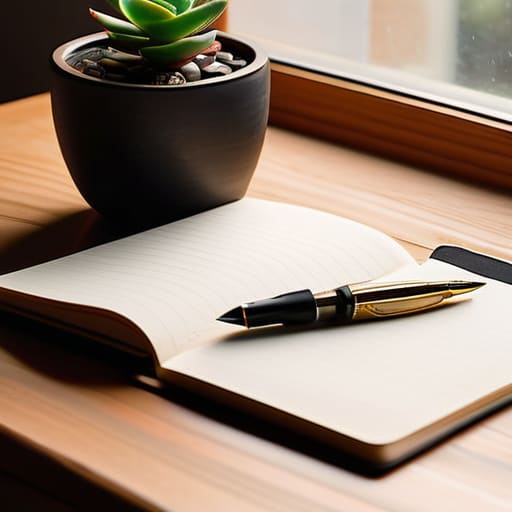
I’m going to say something that might make the lifestyle influencers cringe: most of the advice you see about journaling for productivity is absolute, expensive nonsense. I am tired of seeing $50 linen-bound journals being marketed as the magic cure for a disorganized life, as if the paper itself is going to do the heavy lifting for you. If you think buying a specific brand of fountain pen is going to fix your inability to prioritize tasks, you aren’t solving a problem; you’re just buying a new hobby. Real efficiency isn’t about the aesthetic of your desk; it’s about clearing the mental fog so you can actually get through your Tuesday without feeling like you’re drowning.
I’m not here to sell you on a spiritual awakening or a complicated morning ritual that takes forty minutes you don’t have. Instead, I’m going to show you the stripped-back systems I use to keep my head above water, whether I’m managing a freelance project or just trying to remember if I actually paid the electric bill. We’re going to focus on low-friction methods that actually work when life gets messy, ensuring your writing serves your schedule rather than becoming just another item on your to-do list.
Table of Contents
Stop Overthinking Morning Pages for Focus Without the Drama

Most people treat morning pages like some sacred, spiritual ritual that requires a quiet room, expensive linen paper, and an hour of deep meditation. That’s a recipe for failure. If you’re trying to squeeze this into a Tuesday before a 9:00 AM call, you don’t have time for a lifestyle transformation; you just need to clear the mental cache. I use morning pages for focus as a way to dump the “brain static”—the half-formed anxieties and random to-do items—onto the page so they stop looping in my head while I’m trying to work.
Don’t aim for profound insights or poetic prose. Just grab a pen and write until the mental clutter feels lighter. The goal isn’t self-discovery; it’s cognitive offloading. By externalizing those nagging thoughts early, you create the mental headspace necessary for actual mindfulness and task management later in the day. Once the junk is out of your system, you can stop reacting to your own internal noise and start actually executing your plan. Keep it messy, keep it fast, and keep moving.
The Time Blocking Journal Method for Messy Realities

Most people approach time blocking like they’re planning a military operation, mapping out every fifteen-minute increment until the schedule becomes a prison. That’s not a system; it’s a recipe for burnout. If you deviate by even ten minutes, the whole house of cards collapses. Instead, I use a modified time blocking journal method that accounts for the inevitable chaos of a Tuesday afternoon. I don’t map out my entire day; I map out my energy.
I divide my journal page into three distinct zones: deep work blocks, administrative shallow tasks, and “buffer” space. The buffer is the most important part. It’s the white space that absorbs the unexpected phone calls or the project that suddenly takes twice as long as anticipated. By using goal setting through writing to define exactly what success looks like for those specific blocks, I stop reacting to my inbox and start dictating my own pace. You aren’t trying to control time—you’re just trying to manage your attention before the world steals it from you.
Five Ways to Journal Without Turning It Into a Second Job
- Stop trying to be profound. If you’re sitting there waiting for a lightning bolt of inspiration to strike before you pick up the pen, you’ve already lost the battle. Just write down what’s annoying you, what’s on your plate, and what you actually need to get done. The goal is clarity, not a memoir.
- Use the “End-of-Day Audit” to stop the mental loop. Before you close your laptop or walk away from your desk, spend three minutes writing down what actually moved the needle and what was just busywork. It prevents that low-grade anxiety that usually keeps you awake at 11:00 PM.
- Keep your tools within arm’s reach. I know, I know—digital is convenient, but there is a friction-less magic to a physical notebook when your brain is fried. If you have to hunt for a specific app or wait for a device to boot up, you won’t do it. Keep a single, decent notebook and a pen that actually works right next to your coffee maker or keyboard.
- Limit your “To-Do” list to three non-negotiables. A journal is a terrible place to store a grocery list of forty items. Use your journal to identify the three tasks that, if completed, would actually make the day feel like a win. Everything else is just bonus points.
- Practice “Interstitial Journaling” to kill the context-switching tax. Instead of just jumping from one task to the next and losing twenty minutes to a social media rabbit hole, write one sentence about what you just finished and one sentence about what you’re starting next. It acts as a mental reset button that keeps you from drifting.
The Bottom Line
Stop aiming for poetic perfection; your journal is a tool for clarity, not a memoir for publication.
Use your journal to protect your time, not just to list your chores.
If a system feels like a chore, scrap it and find a simpler way to capture what matters.
## The Reality of the Page
“A journal isn’t a place to curate a perfect life; it’s a place to dump the mental clutter so you actually have the bandwidth to do the work that matters.”
Diane Sterling-Voss
Cut the Fluff and Just Start

At the end of the day, journaling for productivity isn’t about achieving some state of Zen-like enlightenment or having a perfectly aesthetic notebook filled with calligraphy. It’s about reducing the cognitive load that keeps you paralyzed when you actually need to get things done. Whether you’re using morning pages to clear the mental clutter or time-blocking your day to prevent that mid-afternoon spiral, the goal remains the same: making space for what matters. You don’t need a $50 leather-bound journal to make this work; you just need a system that actually fits into your Tuesday afternoon. If a method feels like a chore, scrap it. If it feels like a performance, stop doing it.
My advice is to stop waiting for the “perfect” time to start a new habit. Perfectionism is just another form of procrastination, and it’s a massive drain on your efficiency. Pick one method—just one—and try it for three days. If it helps you feel a little more grounded and a little less reactive, keep it. If it doesn’t, move on without the guilt. The point isn’t to become a person who journals; the point is to reclaim your mental bandwidth so you can stop managing your chaos and start actually living your life.
Frequently Asked Questions
I don't have twenty minutes to sit still every morning; is there a way to do this in five minutes or less?
Look, I get it. Some mornings, the coffee hasn’t even kicked in and the inbox is already screaming. You don’t need a spiritual awakening; you need a triage system. Forget the long-form prose. Grab your planner and write down three things: one non-negotiable task, one “nice-to-have,” and one thing that’s currently draining your mental battery. That’s it. Spend three minutes identifying the friction, and you’re done. Move on with your day.
How do I stop my journal from turning into a long-winded vent session that actually wastes more time?
If your journal starts feeling like a therapy session that never ends, you’ve lost the plot. The goal is clarity, not a memoir. Set a hard timer—fifteen minutes, max. When the clock hits, you stop. If you find yourself spiraling, switch to a “Problem/Action” format: write the frustration in one sentence, then immediately write the one logical next step. Don’t just vent; pivot toward a solution before you run out of ink.
Do I really need a fancy notebook, or can I just use whatever scrap paper is sitting on my desk?
Honestly? If the scrap paper gets the job done, use it. I’ve spent way too much time in my twenties looking at leather-bound journals that sat empty because they felt “too precious” to mess up. A system only works if you actually use it. If a sticky note helps you clear your head before a meeting, that’s a win. Don’t let the pursuit of the perfect aesthetic become another chore on your to-do list.