I’m tired of seeing “digital detox” retreats that cost three thousand dollars and require you to live in a yurt for a week. It’s absurd. You don’t need to flee to the mountains to learn how to stop checking your phone; you just need to stop letting your device hijack your nervous system during a standard Tuesday afternoon. I spent years in corporate operations where every ping felt like a fire drill, and I realized that most of the “productivity hacks” out there are just more unnecessary friction added to an already cluttered life.
I’m not here to sell you on a lifestyle overhaul or a complicated app that tracks your screen time. Instead, I’m going to share the low-effort, high-impact systems I use to keep my focus where it belongs—on my work and my analog synthesizers. We’re going to focus on battle-tested adjustments to your physical environment and your digital settings that actually work in the messy reality of a busy schedule. No fluff, no expensive retreats, just practical ways to reclaim your mental bandwidth.
Table of Contents
Spotting Smartphone Dependency Symptoms in Your Daily Chaos

Before you can fix a system, you have to figure out where it’s leaking. For most of us, it isn’t a sudden, dramatic collapse; it’s a slow, quiet erosion of our attention. You know the feeling: you pick up your device to check a single calendar entry, and forty minutes later, you’re deep in a rabbit hole of unrelated news or mindless scrolling. These are the classic smartphone dependency symptoms that signal your brain has outsourced its focus to an algorithm. It’s not about being “addicted” in a clinical sense; it’s about the loss of intentionality.
I’ve noticed it most in the “micro-moments”—the three seconds spent waiting for a kettle to boil or the minute you spend standing in line at the grocery store. Instead of letting your mind rest, you reflexively reach for the screen. This constant stimulation makes improving focus and attention span feel nearly impossible because you’ve trained your brain to expect a hit of novelty every few seconds. If your first instinct during any moment of boredom is to check your notifications, your system is already compromised.
Low Effort Digital Detox Strategies for Busy People
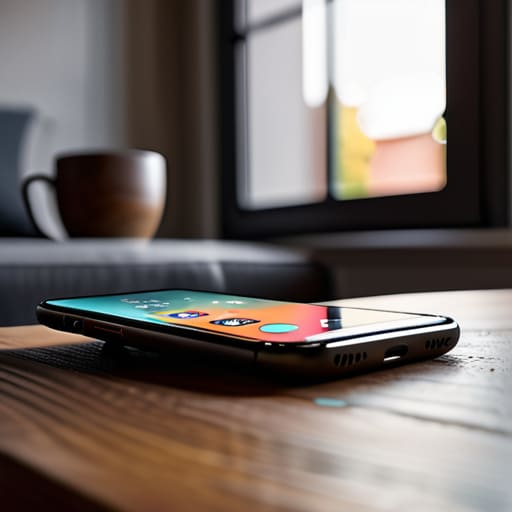
Most people approach a digital detox like they’re training for a marathon—they try to go cold turkey, fail by noon, and end up feeling even more scattered. That’s not how we work here. Instead of a total blackout, I prefer implementing low-friction boundaries that don’t require constant willpower. Start by greying out your screen. Most of those vibrant app icons are designed specifically to trigger a hit of dopamine; by stripping away the color, you make the device significantly less rewarding to look at. It’s a simple way of limiting social media distractions without actually having to delete your accounts.
Another tactic that works for my client workloads is the “Physical Distance Rule.” If you are sitting down to focus on a deep task, your phone shouldn’t just be face down; it should be in another room or, at the very least, inside a drawer. If it’s within arm’s reach, your brain is still subconsciously accounting for its presence. This isn’t about some lofty dopamine detox for productivity; it’s just about removing the easiest path to distraction so you can actually finish your work before the sun goes down.
Five Low-Friction Tweaks to Break the Reflex
- Move your most addictive apps off the home screen. If you have to swipe three times and search a folder just to find Instagram, you’ve created enough friction to give your brain a second to ask, “Do I actually need this, or am I just bored?”
- Turn off every single non-human notification. If it isn’t a text or a call from a person, you don’t need a buzz in your pocket. News alerts, shopping promos, and “likes” are just digital noise designed to hijack your attention.
- Set a “Charging Station” outside of your bedroom. Using your phone as an alarm clock is a trap that ensures your first cognitive act of the day is reacting to the world’s chaos instead of setting your own intention. Buy a cheap analog clock and leave the phone in the kitchen.
- Use grayscale mode during your “danger zones.” Most of these apps are designed with bright, dopamine-triggering colors. When you switch your screen to black and white in your accessibility settings, the digital world suddenly looks a lot less appetizing and a lot more like a tool.
- Implement a “Phone Parking Lot.” Pick a specific spot—a bowl on the entryway table or a drawer in your desk—where the phone lives when you are working or eating. If it’s not in your line of sight, the phantom vibration sensation starts to fade.
The Bottom Line
Stop looking for a total digital purge; focus on creating physical distance between you and your device to break the mindless reflex.
Audit your notifications to ensure only high-stakes, human-to-human interruptions are allowed to breach your focus.
Build systems that work for your actual schedule, not an idealized version of yourself that doesn’t exist on a busy Tuesday.
## The Cost of the Constant Check
“The goal isn’t to live like a monk in a digital vacuum; it’s to stop letting a piece of glass and silicon dictate your nervous system’s baseline every time you have a spare thirty seconds.”
Diane Sterling-Voss
Reclaiming Your Mental Bandwidth

Look, we aren’t aiming for a monastic existence here. I’m not suggesting you delete every app and move to a cabin in the woods; that’s just another form of high-maintenance productivity. The goal is simply to move from reactive scrolling to intentional usage. By recognizing those reflexive reach-for-the-phone moments and implementing a few low-friction barriers—like keeping the device in another room or silencing non-human notifications—you stop the constant micro-drain on your focus. It’s about building a system that works for you, rather than letting a piece of glass and silicon dictate the rhythm of your afternoon.
At the end of the day, your attention is your most valuable non-renewable resource. Every time you fight the urge to check a meaningless notification, you are making a deposit into your own mental clarity. Don’t aim for perfection; aim for frictionless boundaries. If you find yourself slipping back into old habits, don’t sweat it—just reset the system and try again tomorrow. The goal isn’t to master technology, but to ensure that when you finally put the phone down, you actually have the energy left over to enjoy the life happening right in front of you.
Frequently Asked Questions
How do I handle the anxiety of feeling like I'm missing something important if I don't check my notifications immediately?
That “missing out” feeling is usually just a phantom itch. To quiet it, you need to build a system of trust. Instead of checking everything constantly, schedule two or three “sweep” windows throughout your day. Tell yourself: I am not ignoring the world; I am checking it at 10:00 AM and 4:00 PM. When the anxiety spikes, remind yourself that if it were a true emergency, someone would call. A notification is rarely a crisis.
Are there specific ways to manage my phone usage during work hours without appearing unavailable to my team?
The trick is managing expectations, not just your screen time. I use “status signaling.” If you’re in deep work, set your Slack or Teams status to “Focus Mode—Back at 2 PM.” It tells your team you aren’t ignoring them; you’re just occupied. I also keep my phone face-down and out of sight, but I leave one channel open—like a specific desktop notification—for genuine emergencies. It’s about being reachable, not constantly available.
What do I do when I realize I've already fallen back into the scrolling habit halfway through a task?
Don’t waste energy beating yourself up; guilt is just more mental friction you don’t need. When you catch yourself mid-scroll, use the “Five-Second Reset.” Physically set the phone face down, take one deep breath, and name the very next micro-step of your task—even if it’s just “open the spreadsheet.” Don’t try to finish the whole project; just commit to that one tiny, mechanical movement to break the trance.