I’m tired of seeing influencers treat a head of broccoli like it’s a high-stakes chemistry experiment requiring a sous-vide machine and three different types of infused oils. If you look at most cooking blogs, they make learning how to cook vegetables feel like a part-time job that requires a culinary degree and a massive budget. It’s exhausting. We don’t need more complicated gadgets or twenty-step instructions that turn a simple Tuesday dinner into a logistical nightmare. Most of that “expert” advice is just noise designed to sell you something you don’t actually need.
I’m not here to teach you how to plate a Michelin-star meal; I’m here to give you a system that actually works when you’re tired and the clock is ticking. I’ve spent years refining a few battle-tested methods that prioritize flavor and efficiency over fluff. We are going to focus on high-impact, low-effort techniques—the kind that ensure your greens are actually edible and delicious without draining your mental bandwidth. Let’s strip away the nonsense and get down to the practical reality of making vegetables work for you.
Table of Contents
The Best Ways to Prepare Vegetables Without the Mess
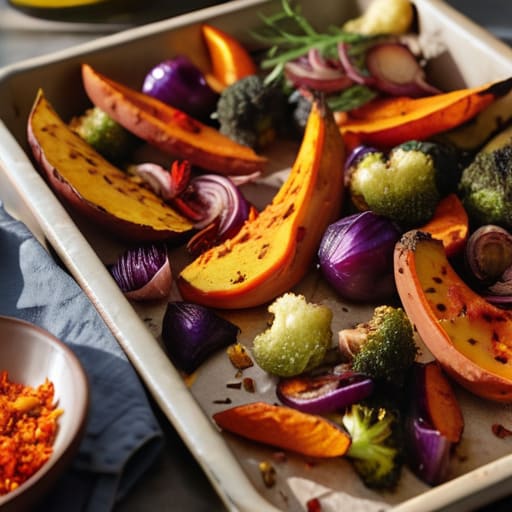
If you’re looking at a pile of dirty cutting boards and a sink full of vegetable peels, you’ve already lost the battle. To keep things efficient, I lean heavily on sheet pan roasting. It’s one of the best ways to prepare vegetables because it requires almost zero active supervision. You toss your chopped florets or root veggies in a bowl with olive oil, salt, and pepper, spread them out on a parchment-lined tray, and walk away. The parchment is the real hero here; it prevents the dreaded cleanup and ensures you aren’t scrubbing burnt bits off your cookware at 8:00 PM.
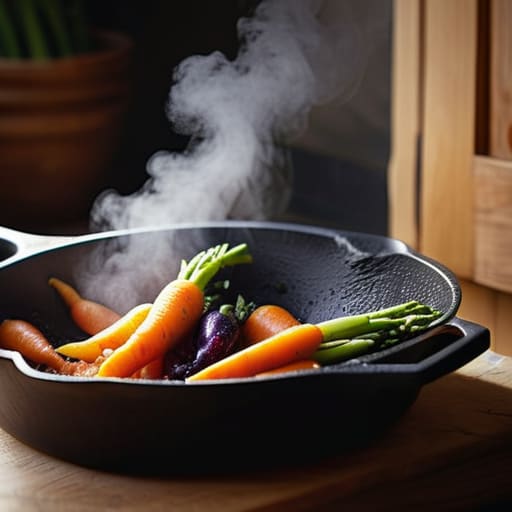
When I need something even faster, I skip the oven entirely and go for a quick sauté or a light steam. While there is a constant debate regarding steaming vs roasting vegetables, I find that steaming is superior when I’m trying to preserve the maximum nutritional value of cooked veggies without adding extra fats. However, if you want actual flavor, roasting provides that caramelized edge that steaming just can’t touch. Either way, keep your tools minimal—a single sharp knife and one good pan are all you really need to get the job done.
Steaming vs Roasting Vegetables Choosing the Faster Method
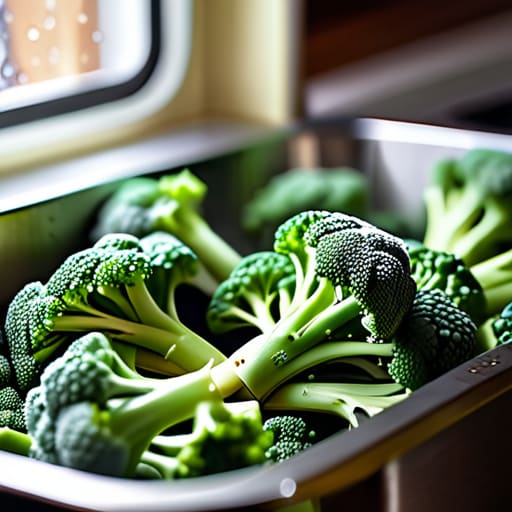
When you’re staring at a pile of broccoli at 6:00 PM, you really only have two logical paths: the steamer basket or the oven. If your goal is pure speed, steaming is your winner. It’s the fastest way to get something edible on the plate without much thought. I usually opt for this when I’m running low on mental bandwidth; you just set the water to boil, drop the greens in, and walk away for five minutes. It preserves the most nutritional value of cooked veggies because you aren’t drowning them in fat or high heat, which is great if you’re aiming for a clean, light meal.
However, if you actually want the food to taste like something, you need to roast. Roasting takes longer—usually twenty to thirty minutes—but the flavor payoff is incomparable. While steaming is efficient, roasting uses dry heat to caramelize the natural sugars, giving you that crispy, savory edge that steaming just can’t touch. In the debate of steaming vs roasting vegetables, I view steaming as a utility move and roasting as a flavor move. Use the steamer when you’re starving; use the oven when you actually want to enjoy your dinner.
Five Rules to Stop Wasting Time in the Kitchen
- Buy your vegetables pre-washed and pre-cut if you’re having a bad week. I know, it’s a little more expensive, but if the choice is paying an extra three dollars or eating a bag of wilted spinach because I didn’t have the energy to chop it, I’m choosing the pre-cut bag every single time.
- Master the “one-pan” rule. If you can’t throw it all on a single sheet pan with olive oil, salt, and pepper, you’re making it too complicated. Minimize the dishes; maximize the flavor.
- Stop treating every vegetable like it needs the same amount of heat. Root vegetables like carrots need time to soften, while greens like kale just need a quick toss in a hot pan. Treat them according to their physics, not a generic recipe.
- Keep a “base” of aromatics ready to go. Having minced garlic or ginger in the fridge—even if it’s the jarred stuff—removes the friction of starting a meal. It turns “I have nothing to eat” into “I can make a stir-fry in ten minutes.”
- Season as you go, not just at the end. If you wait until the vegetable is off the heat to add salt, you’re just coating the surface. Adding it during the cooking process allows the flavor to actually penetrate the cell walls.
The Bottom Line for Your Tuesday Night
Stop overthinking the technique; if you have ten minutes, steam them; if you have twenty, roast them.
Prioritize high-heat methods like roasting to maximize flavor while minimizing the mental load of seasoning.
Choose the method that creates the least amount of cleanup, because a sink full of dirty pots defeats the purpose of a quick meal.
The Efficiency of Flavor
Stop treating vegetable prep like a culinary performance; if you’re spending more than ten minutes chopping and cleaning for a single side dish, you’ve already lost the battle against your own schedule.
Diane Sterling-Voss
Stop Overthinking the Plate
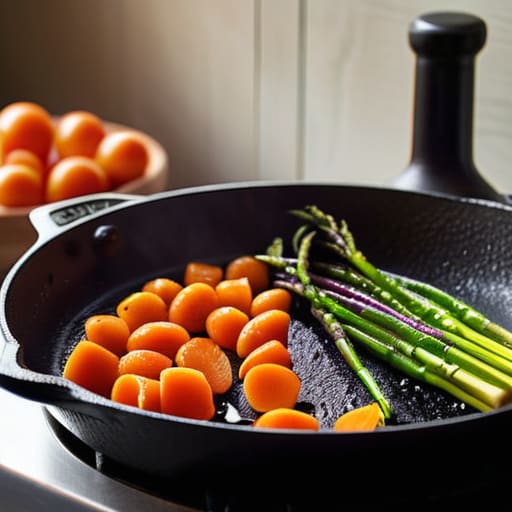
At the end of the day, cooking vegetables shouldn’t feel like a secondary job. Whether you choose the quick, clean route of steaming to preserve that bright color or opt for the deep, caramelized flavors of a high-heat roast, the goal remains the same: getting nutrients onto your plate with as little friction as possible. Forget the complex recipes and the specialized equipment that just gathers dust in your pantry. Stick to the basics—a hot pan, a decent fat, and a hit of salt—and you’ll find that efficiency and flavor aren’t mutually exclusive. If you can master these few foundational methods, you’ve already won half the battle of healthy eating.
My advice? Don’t aim for culinary perfection on a random Tuesday night. You aren’t trying to win a Michelin star; you’re just trying to fuel your body so you can get back to the things that actually matter. A slightly charred broccoli floret or a soft-steamed carrot is infinitely better than the takeout bag sitting on your counter because you were too overwhelmed to start cooking. Use these systems to reclaim your mental bandwidth and stop letting meal prep dictate your mood. Once you strip away the unnecessary fluff, you’ll realize that real cooking is actually quite simple.
Frequently Asked Questions
How do I keep my vegetables from turning into a pile of mush when I'm trying to cook them in bulk?
The mistake most people make is treating bulk cooking like a marathon instead of a series of sprints. If you’re prepping for the week, stop overcooking everything in one go. Roast your hearty stuff—carrots, broccoli, Brussels sprouts—until they’re just shy of done. For greens or softer veg, blanch them for two minutes, shock them in ice water to stop the cook, and store them separately. Reheat them individually when you’re actually ready to eat.
Is there a way to prep my veggies on Sunday so I'm not chopping everything from scratch on a busy Tuesday night?
Yes, and you absolutely should. I call it “component prepping.” Don’t cook everything on Sunday—that leads to mushy, sad leftovers. Instead, spend twenty minutes washing, peeling, and chopping your hard vegetables like carrots, broccoli, or peppers. Store them in airtight glass containers. When Tuesday night hits, you’re just grabbing a container and tossing it in the pan. It eliminates the decision fatigue and the mess right when you’re most tired.
What's the quickest way to season them without needing a pantry full of specialty spices?
Stop hunting for smoked paprika or truffle salt. You don’t need a spice rack the size of a pharmacy to make vegetables taste good. Stick to the holy trinity: kosher salt, cracked black pepper, and a high-quality olive oil. If you want a little lift, a squeeze of lemon or a splash of vinegar at the very end does more for flavor than a dozen dusty jars ever will. Keep it simple; it works.