I spent a decade in corporate operations, and if there is one thing I learned, it’s that people love to overcomplicate simple systems just to feel productive. I see it all over social media: “wellness influencers” suggesting you spend forty minutes sourcing microgreens from a boutique farm and hand-whisking emulsified truffle vinaigrettes just to avoid a boring lunch. Let’s be real: most of that is just performative cooking. If you’re looking for how to make salad interesting without turning your kitchen into a high-maintenance laboratory, you’re in the right place. Most “gourmet” salad advice is just extra work disguised as self-care, and frankly, we don’t have the bandwidth for it.
I’m not here to give you a list of twenty exotic superfoods you’ll use once and then let rot in the crisper drawer. Instead, I’m going to show you a battle-tested framework based on texture, acidity, and fat that works every single time. My goal is to provide a few straightforward, low-friction rules that will help you build a meal that actually satisfies you. We are going to focus on functional flavor—systems that make your lunch something you actually look forward to, rather than a chore you have to endure.
Table of Contents
Mastering Flavor Balancing Techniques Without the Kitchen Stress
Most people fail at salads because they treat them like a side dish rather than a composed meal. They end up with a bowl of wet leaves that tastes like nothing. To fix this, you need to understand basic flavor balancing techniques without turning your kitchen into a chemistry lab. You’re looking for the tension between acid, fat, salt, and sweetness. If your salad tastes flat, it’s likely missing acid—a squeeze of lemon or a splash of red wine vinegar is usually the quickest fix. If it’s too sharp, a bit of honey or a handful of dried cranberries will ground it.
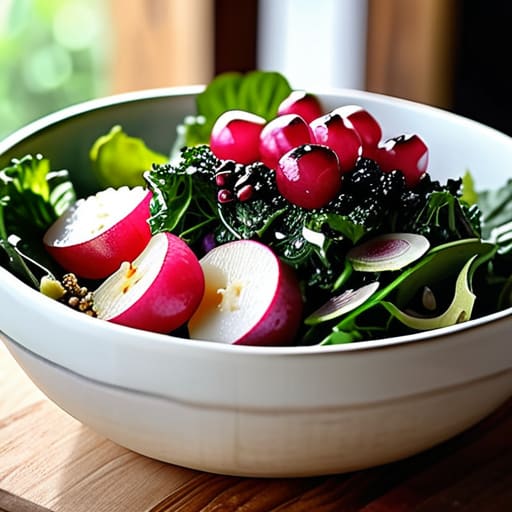
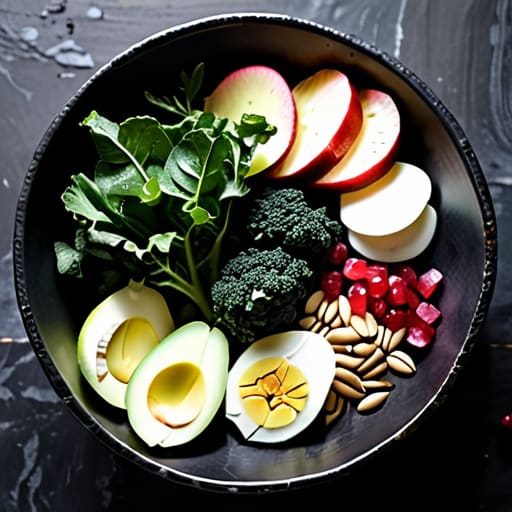
Beyond the liquid, you have to address texture in salads. A salad with only soft ingredients is a chore to eat. I always keep a rotation of “crunch factors” in my pantry: toasted sunflower seeds, sliced radishes, or even crushed pita chips. Once you have the crunch and the acid dialed in, add your protein additions for salads—like a hard-boiled egg or some leftover roasted chicken—to ensure you actually stay full until dinner. It’s about building a system, not following a complex recipe.
The Lazy Guide to Seasonal Salad Ingredients That Pop
Look, I don’t have the bandwidth to visit a specialty grocer every time I want a decent lunch. The secret to not eating the same boring bowl of spinach every day is leaning into what’s actually in season. When you use seasonal salad ingredients, you aren’t just getting better flavor; you’re reducing the mental load of deciding what to buy. In the summer, throw in some sliced peaches or heirloom tomatoes. In the winter, lean on roasted root vegetables or bitter radicchio. It’s about working with the rhythm of the market rather than fighting against it.
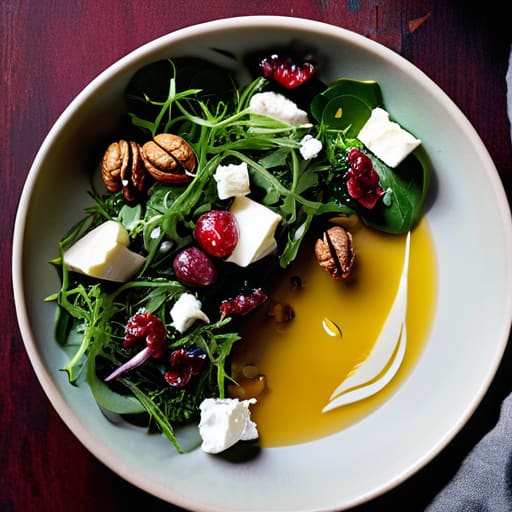
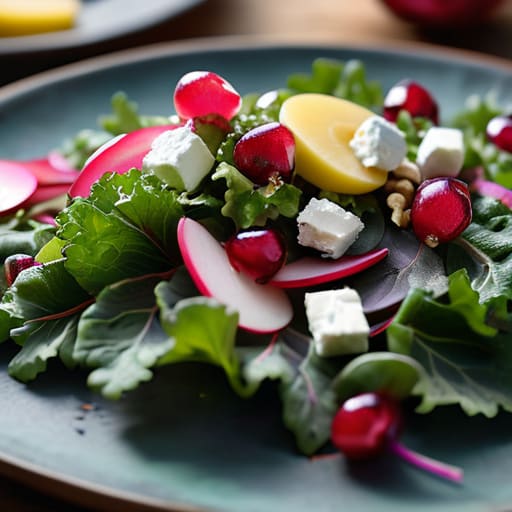
To keep things from feeling like a chore, focus on high-impact healthy salad toppings that require zero prep. I’m talking about things you can keep in the pantry or fridge that add instant character. A handful of toasted pumpkin seeds, some crumbled feta, or even a few dried cranberries can transform a base of greens into something that feels intentional. If you want to turn a side dish into a real meal, don’t overthink the protein additions for salads—a tin of high-quality sardines or a pre-cooked chicken breast is more than enough to get the job done.
Five Low-Friction Rules for Better Bowls
- Stop relying on bottled dressing. It’s mostly sugar and thickeners that mask the ingredients. Keep a bottle of decent olive oil, a jar of Dijon, and some sherry vinegar on hand. Whisk them in a jar for thirty seconds and you’ve already won.
- Texture is non-negotiable. If everything in your bowl is soft, you’re going to get bored by the third bite. Throw in some toasted sunflower seeds, crushed pita chips, or even some sliced radishes to give your jaw something to actually do.
- Use the “Acid Check.” If a salad tastes flat or “meh,” it’s almost never because it needs more salt; it’s because it needs acid. A squeeze of lemon or a splash of pickled brine wakes up the flavors without adding heavy calories.
- Don’t overcomplicate the greens. You don’t need a five-variety microgreen mix that wilts the moment you look at it. Pick one sturdy base like romaine or kale and focus your energy on the toppings instead.
- Temperature contrast matters. A warm element—like roasted sweet potatoes or even just warm chickpeas—thrown into a cold bed of greens makes the meal feel like actual food rather than just a side dish you’re forcing yourself to eat.
The Minimalist Salad Framework
Stop chasing complex recipes; just ensure every bowl has a hit of acid, a crunch, and a fat to keep it from tasting like lawn clippings.
Buy what’s in season so you aren’t paying premium prices for tasteless, out-of-season produce that requires more seasoning to fix.
Build your components in batches—toasted nuts, washed greens, or a quick vinaigrette—so assembly takes three minutes instead of twenty.
The Philosophy of the Bowl
A salad shouldn’t feel like a chore you’re performing to satisfy a nutritionist; it should be a deliberate assembly of texture and acid that actually makes you want to pick up the fork.
Diane Sterling-Voss
Stop Overthinking the Bowl
At the end of the day, making a salad interesting isn’t about following a complex recipe or buying expensive, niche microgreens that wilt in twenty minutes. It’s about the mechanics of contrast. If you remember to balance your heavy fats with something acidic, your soft textures with something crunchy, and your bland greens with a hit of salt or spice, you’ve already won. You don’t need a culinary degree; you just need a reliable system for flavor layering. Stop treating your salad like an afterthought or a chore to be endured, and start treating it like a modular assembly project where you control the variables.
My goal isn’t to turn you into a gourmet chef, but to help you stop eating meals that feel like a punishment. Life is already complicated enough—your lunch shouldn’t be. Once you master these basic principles of texture and acidity, you’ll find that you can throw together a decent meal in five minutes using whatever is actually in your fridge. Use these frameworks to reclaim your lunch hour and reduce the mental load of deciding what to eat. Now, go grab a bowl and actually enjoy your food for once.
Frequently Asked Questions
How do I keep my greens from turning into a soggy mess if I'm prepping this for lunch ahead of time?
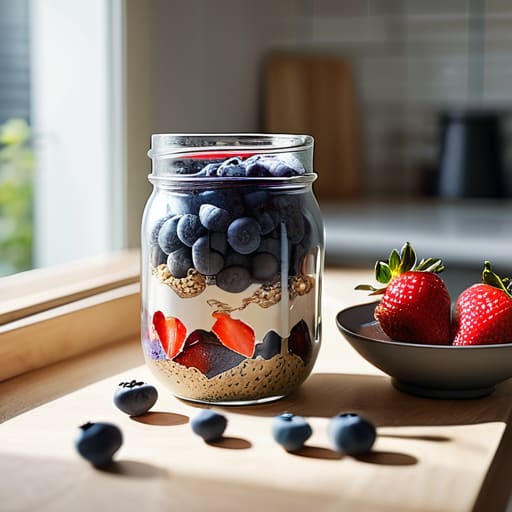
The “wet salad” problem is usually just a failure of layering. If you’re prepping for lunch, stop mixing everything in one bowl. Use the jar method or a deep container: heavy, hardy items like cucumbers or chickpeas go at the bottom, followed by your proteins, and then the greens on top. Most importantly, keep the dressing in a separate tiny container. Don’t let it touch the leaves until you’re actually sitting down to eat.
I don't have a lot of time on weeknights—what are the absolute bare minimum ingredients I need to avoid a boring salad?
If you’re staring at a bowl of plain greens on a Tuesday night, you only need three things to fix it: crunch, fat, and acid. Don’t overthink it. Grab a handful of toasted nuts or seeds for texture, something creamy like feta or avocado for satiety, and a sharp vinaigrette. If you can’t make a dressing, just squeeze half a lemon over some olive oil. That’s it. It’s efficient, it works, and it isn’t boring.
What's the easiest way to make a decent dressing without buying a bunch of expensive oils and vinegars I'll never use again?
Stop overcomplicating it. You don’t need a pantry full of artisanal infused oils that cost twenty dollars a bottle. Stick to the basics: a decent extra virgin olive oil and whatever acid you already have—lemon juice, apple cider vinegar, or even just a splash of the brine from a jar of olives. Whisk them with a teaspoon of Dijon mustard to keep it from separating. It’s fast, it’s cheap, and it actually works.