I spent a decade in corporate operations, and if there is one thing I learned, it’s that people love to over-engineer simple processes until they become a secondary job. The wellness industry is no different. They want you to believe that learning how to build a balanced meal requires a degree in nutrition, a $200 grocery haul of organic superfoods, and a kitchen scale that connects to your Wi-Fi. It’s exhausting, and frankly, it’s a waste of mental bandwidth. Most of these “optimal” eating plans are just complex systems designed to make you feel like you’re failing if you don’t have three hours to meal prep on a Sunday.
I’m not here to sell you on a lifestyle overhaul or a complicated macro-tracking app. Instead, I want to give you a high-functioning, low-friction framework that actually works when you’re staring at a half-empty fridge on a Tuesday night. I’m going to show you how to strip away the noise and use a simple, repeatable formula to get what you need. We’re focusing on battle-tested efficiency—not perfection—so you can eat well and get back to the things that actually matter.
Table of Contents
A Realistic Protein Vegetable Carbohydrate Ratio
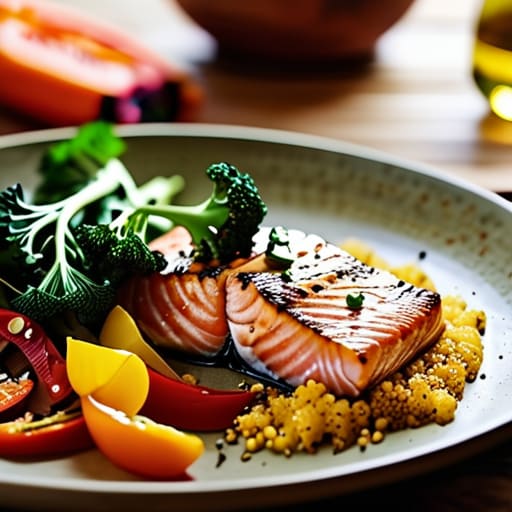
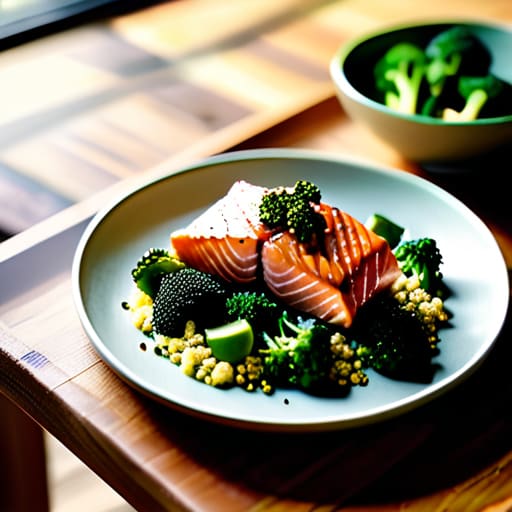
If you’re looking for a complex macronutrient distribution guide with precise gram measurements, you’re in the wrong place. I don’t have the bandwidth for that, and frankly, neither do you. Instead, I rely on a visual shorthand that actually works when I’m staring into a fridge at 6:30 PM. Think of it as a simplified healthy plate method: half your plate should be occupied by vegetables, a quarter by protein, and the final quarter by your preferred carbohydrate.
This isn’t about perfection; it’s about minimizing decision fatigue. When you follow this basic protein vegetable carbohydrate ratio, you aren’t doing math—you’re just filling space. The vegetables provide the volume and micronutrients, the protein keeps you satiated so you don’t crash by mid-afternoon, and the carbs give you the actual fuel to get through your to-do list. It’s a high-leverage way to handle portion control for healthy eating without ever touching a kitchen scale. It’s functional, it’s fast, and it actually survives the chaos of a real workday.
The Healthy Plate Method for Busy People
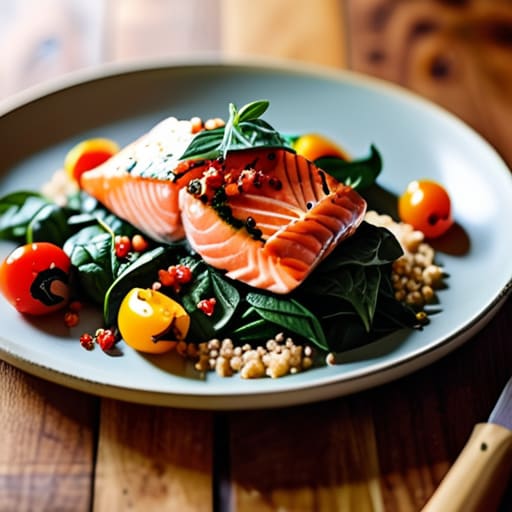
The problem with most nutrition advice is that it feels like a second job. If I had to weigh every gram of spinach or calculate a complex macronutrient distribution guide every single night, I’d stop eating altogether. That’s why I rely on a simplified version of the healthy plate method. Instead of a scale, use your eyes and a standard dinner plate as your primary tool.
Think of it as a visual shorthand. Fill half your plate with non-starchy vegetables first—this is your volume and your micronutrients. Devote a quarter to a high-quality protein source, and use the final quarter for your complex carbohydrates. This isn’t about strict portion control for healthy eating in the sense of deprivation; it’s about automated decision-making. When you remove the need to “calculate,” you remove the friction that usually leads to ordering takeout at 7:00 PM. It’s a repeatable system that works whether you’re eating a home-cooked meal or a quick salad from the deli.
Five Rules for Keeping It Simple (And Actually Eating)
- Stop hunting for recipes. If you have a protein, a starch, and a green, you have a meal. The “recipe” is just the assembly order.
- Use frozen or pre-washed produce. I don’t care if it feels like “cheating”—if it saves you twenty minutes of chopping on a Tuesday, it’s a strategic win.
- Master one versatile sauce. Whether it’s a good tahini dressing or a high-quality pesto, a single reliable flavor profile can turn a bland pile of chicken and rice into something you actually want to eat.
- Prep components, not meals. Don’t spend your entire Sunday making five identical Tupperware containers. Just roast a tray of veggies and boil some eggs; it gives you more flexibility during the week.
- Keep your pantry “emergency-ready.” Always have canned beans, tuna, or quinoa on hand. When the mental bandwidth for cooking hits zero, these are your lifelines to avoid the expensive takeout trap.
The Bottom Line for Your Next Meal
Stop overthinking the math; if your plate has a protein, a fiber, and a complex carb, you’ve already won the battle.
Use visual cues instead of scales—aim for half the plate to be greens and the rest to be split between your fuel and your protein.
Prioritize systems over perfection, because a decent, low-effort meal is always better than a gourmet one that leaves you too exhausted to actually enjoy it.
The Efficiency of Eating
Stop treating meal prep like a high-stakes chemistry experiment; if you can manage to get a protein, a fiber, and a complex carb on the same plate, you’ve already won the battle against the afternoon slump.
Diane Sterling-Voss
Stop Overthinking the Plate
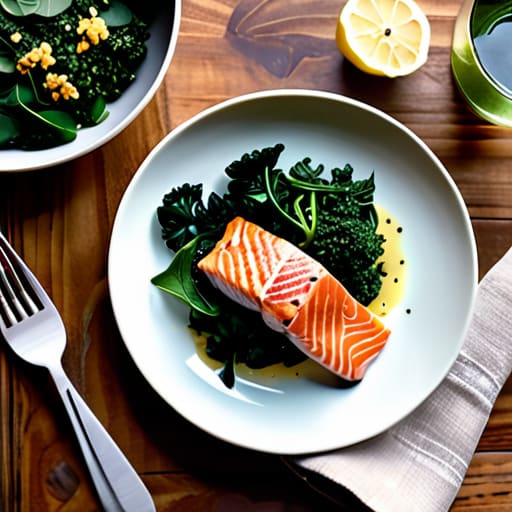
At the end of the day, building a balanced meal isn’t about achieving culinary perfection or following a rigid, soul-crushing recipe. It’s about the math of your plate: getting a reliable protein, a handful of greens, and a functional carbohydrate into your system so you don’t crash by 3:00 PM. If you can manage the ratio, you’ve already won the battle. You don’t need a kitchen scale or a nutritionist on speed dial; you just need to stop letting decision fatigue dictate your nutrition. Use the frameworks we discussed to automate the choice, and let the systems do the heavy lifting for you.
My goal isn’t to turn you into a gourmet chef or a meal-prep fanatic. I just want you to have enough steady energy to actually enjoy your life once the workday is done. There will be Tuesdays where you eat cereal for dinner, and that is perfectly fine. The objective is consistency over intensity. Build a repeatable system that works for your actual schedule, not the idealized version of yourself you see on social media. Now, go eat something that makes you feel capable, and then get back to the things that actually matter.
Frequently Asked Questions
What do I do when I’m eating out or ordering takeout and can't control the exact portions?
When you’re staring at a menu or a takeout container, stop trying to measure grams. It’s a waste of mental energy. Instead, use the visual scan method: look for the protein first, then aim to fill the rest of your mental “plate” with whatever greens or fiber are available. If the portion is massive—which it usually is—don’t fight it. Box half of it up before you even take the first bite. Control the leftovers, not the chef.
How do I handle this system on days when I have zero time to actually cook anything?
On those days, you stop trying to “cook” and start assembling. I keep a rotation of zero-prep staples in my pantry: canned chickpeas, pre-washed arugula, rotisserie chicken, and microwaveable quinoa pouches. If you have five minutes, you can throw them in a bowl with a drizzle of olive oil and salt. It’s not gourmet, and it’s not a culinary masterpiece, but it meets the framework. Don’t let perfectionism turn into skipped meals.
Does this framework change if I'm trying to manage specific energy crashes or afternoon brain fog?
It changes slightly, but don’t overcomplicate it. If you’re hitting that 3:00 PM wall, the culprit is usually a glucose spike followed by a crash. To stabilize your energy, tilt the scale. Increase your fiber and healthy fats—think avocado or extra greens—and dial back the refined carbohydrates. Think of it as adding more “buffer” to your fuel. It keeps the energy delivery steady instead of a sudden, exhausting surge and drop.