I’m tired of seeing influencers sell “ultimate productivity working from home” blueprints that require a $2,000 standing desk and a meditative sunrise ritual just to answer your emails. If your system requires more maintenance than the actual work you’re trying to do, it isn’t a system—it’s a hobby. I spent fifteen years in corporate operations watching people drown in complex project management tools that only served to make them feel busy while they actually accomplished nothing. We don’t need more apps; we need to stop pretending that a perfectly curated workspace is the prerequisite for getting things done.
I’m not here to sell you a lifestyle or a complicated digital ecosystem. Instead, I’m going to share the battle-tested frameworks I use to keep my freelance consulting business running without losing my mind to the laundry pile or the endless scroll. We’re going to focus on low-friction tactics—the kind of straightforward adjustments that actually work when you’re staring at a mounting inbox on a rainy Tuesday afternoon. No fluff, no expensive gadgets, just real ways to reclaim your time.
Table of Contents
Minimizing Home Distractions Without Losing Your Mind
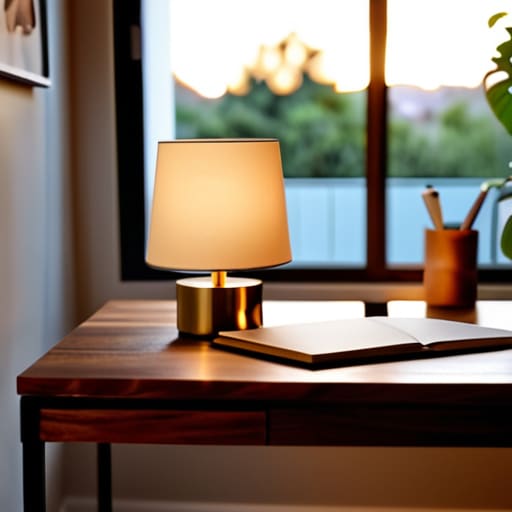
The biggest mistake I see people make is treating their living room like a battlefield where they have to fight for every ounce of focus. You can’t win a war against a pile of laundry or a humming refrigerator. Instead of trying to exert perfect willpower, focus on minimizing home distractions through physical cues. If you don’t have a dedicated room, that’s fine—but you need a signal. I use a specific desk lamp; when it’s on, I’m “at the office.” When it’s off, I’m just a person sitting in a chair. It sounds simple, but it’s a vital part of establishing work-life boundaries that prevents your professional stress from bleeding into your evening relaxation.
Stop trying to curate a Pinterest-perfect workspace. You don’t need a high-tech command center to be effective. Just clear a six-inch radius around your laptop and get rid of the visual clutter that pulls at your peripheral vision. If the house is loud, don’t fight it with sheer grit; put on some noise-canceling headphones and accept that your environment isn’t going to be silent. Real efficiency isn’t about controlling your surroundings—it’s about managing your reaction to them.
An Ergonomic Home Office Setup That Actually Works
Most people treat their home office like an afterthought, which is why they end up with a permanent ache in their lower back by 3 PM. You don’t need a $2,000 designer chair to fix this, but you do need to stop working from your kitchen stool or, heaven forbid, your sofa. A proper ergonomic home office setup starts with your eye level; if you’re hunching over a laptop, you’re already losing the battle. Get a simple laptop riser or even a stack of sturdy books to bring your screen up so your neck stays neutral.
It’s also about the physical cues that signal to your brain that it’s time to focus. I’ve found that having a dedicated, uncluttered zone—even if it’s just a specific corner of the dining table—is essential for establishing work-life boundaries. When you sit in that specific chair, your brain knows the “office” is open. When you stand up, the workday is officially over. Don’t overcomplicate the gear; just focus on alignment and intentionality.
The low-friction systems that actually save my sanity
- Stop treating your “to-do” list like a wish list. If it’s more than three major tasks, it’s not a list; it’s a recipe for paralysis. Pick your three non-negotiables every morning, write them in your physical planner, and don’t touch anything else until they’re done.
- Use a “transition ritual” to signal to your brain that work is starting and, more importantly, that it’s ending. I don’t do yoga or meditation; I just make a specific pot of coffee to start and close my laptop lid firmly at 5:30 PM. It creates a psychological boundary that a commute used to provide.
- Batch your “shallow work.” Don’t let emails and Slack notifications pepper your day like annoying interruptions. Set two or three specific times to clear your inbox. If you respond to every ping the second it happens, you aren’t working; you’re just reacting.
- Implement a “closing shift” for your workspace. Ten minutes before you finish, clear the coffee mugs, file the loose papers, and reset your desk. You aren’t doing this for cleanliness; you’re doing it so you don’t walk into a mess of yesterday’s failures tomorrow morning.
- Eat your lunch away from your screen. I know, it sounds trivial, but sitting at your desk while you eat keeps your brain in “high-alert” mode. Get up, move to a different room, and give your eyes a break from the blue light. It’s a small investment in mental bandwidth that pays off by 3:00 PM.
The Bottom Line
Stop chasing the perfect setup; a clear desk and a closed door are more effective than any $500 ergonomic gadget you haven’t used.
Protect your focus by treating your deep-work blocks like non-negotiable client meetings—no exceptions, no “quick” chores.
If a system feels like a chore to maintain, scrap it. Efficiency is worthless if it costs you more mental energy than it saves.
The Myth of the Perfect System
Stop looking for the perfect app to manage your chaos; a clean desk and a single, prioritized list will do more for your output than any thousand-dollar software subscription ever could.
Diane Sterling-Voss
The Reality of the Long Game

At the end of the day, productivity isn’t about achieving some flawless, aesthetic version of a workday you saw on social media. It’s about the practical application of what we’ve discussed: carving out a physical space that supports your body, minimizing the noise that pulls your focus, and building systems that actually hold up when things get chaotic. You don’t need a dozen new apps or a complete lifestyle overhaul to see results. You just need to remove the friction that makes starting a task feel like wading through wet cement. If you can control your environment and your immediate distractions, you’ve already won half the battle.
Don’t get discouraged if your system breaks on a Wednesday afternoon because the laundry piled up or the Wi-Fi cut out. Life is messy, and your workflow will be too. The goal isn’t perfection; it’s sustainable momentum. Instead of trying to force yourself into a rigid mold, focus on making small, incremental adjustments that save you a little bit of mental bandwidth each day. Build a setup that serves you, not one that requires constant maintenance. Once you stop fighting your environment and start managing it, you’ll finally have the energy to focus on the work—and the life—that actually matters.
Frequently Asked Questions
How do I stop feeling guilty about the laundry sitting in the dryer while I'm trying to focus on a deadline?
Stop treating your laundry like a moral failure. It’s just a task, not a character flaw. When I’m deep in a project, I use a “closed-loop” system: I set a literal timer on my phone for the dryer cycle. Once that timer is set, the task is officially off my mental plate until it rings. If it rings and I’m still working, the clothes stay in the dryer. The world won’t end.
When the workday ends, how do I actually "leave" the office if my desk is ten feet from my bed?
The problem isn’t the distance; it’s the visual tether. If your laptop is staring at you from the kitchen table, your brain stays in “standby” mode all night. You need a physical shutdown ritual. Close the tabs, shut the lid, and—this is the non-negotiable part—put the hardware out of sight. If you can’t put it in a drawer, throw a cloth over it. If you can’t see the tools of your labor, you can finally stop being an employee.
Is it worth investing in expensive software, or can I just use a basic pen and paper to stay on track?
Look, I have three digital calendars and a physical ink-on-paper planner, and I’ll tell you right now: the software doesn’t do the work, you do. Expensive tools often become just another thing to manage, adding more friction than they solve. If a notebook and a pen keep your head clear and your tasks visible, use them. Invest in a decent chair or a reliable internet connection first. Systems are about clarity, not subscription fees.