I am so tired of seeing those “aesthetic” pantry organization videos where people spend three hundred dollars on matching glass canisters just to house a bag of flour. It’s performative, it’s expensive, and quite frankly, it’s a waste of time. If you’re looking for a way to make your kitchen look like a Pinterest board, you’re in the wrong place. I care about one thing: reducing waste and mental load. Learning how to store food properly shouldn’t require a degree in interior design or a massive budget; it should be about creating a system that actually survives the chaos of a Tuesday afternoon without you having to think about it.
I’m not going to give you a list of twenty different specialized gadgets you’ll never use. Instead, I’m sharing the exact, battle-tested methods I use to keep my own kitchen running like a well-oiled machine. We’re going to focus on high-impact, low-effort habits—like grouping leftovers in clear bins so you can actually see what’s rotting before it’s too late. My goal is to give you a straightforward framework that saves you money and, more importantly, saves you from that sinking feeling of throwing away half a bag of wilted spinach.
Table of Contents
- Mastering Refrigerator Temperature Settings and Food Safety Guidelines
- Airtight Container Benefits for Maximizing Shelf Life of Common Groceries
- Five Practical Rules to Stop Your Groceries from Dying in the Crisper
- The Bottom Line: Less Waste, Less Stress
- ## The Real Cost of Chaos
- The Bottom Line
- Frequently Asked Questions
Mastering Refrigerator Temperature Settings and Food Safety Guidelines
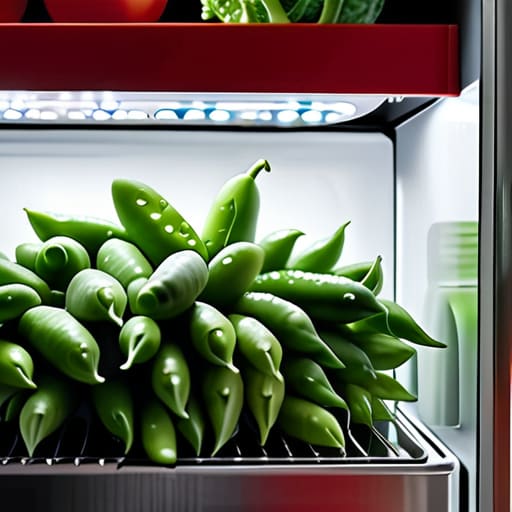
Most people treat their refrigerator like a black box, setting it to whatever temperature it was at when they moved in and never looking back. That’s a mistake. If you want to stop playing the guessing game with your groceries, you need to get serious about your refrigerator temperature settings. Aim for 37°F (3°C) or below. Anything higher and you’re basically running a slow-motion science experiment on your milk; anything lower and you’re risking a frozen salad. I keep a dedicated thermometer in the crisper drawer because the built-in dials are notoriously unreliable.
Beyond the thermostat, you need to respect the basic food safety guidelines that prevent a minor oversight from becoming a week of food poisoning. Don’t crowd the shelves. Air needs to circulate to maintain a consistent chill, and if you pack your fridge tight like a Tetris game, you’re creating warm pockets where bacteria thrive. I’ve found that keeping the meat on the bottom shelf—not just for organization, but to prevent drips from contaminating everything else—is one of those small, non-negotiable habits that saves a massive amount of mental bandwidth and wasted money.
Airtight Container Benefits for Maximizing Shelf Life of Common Groceries
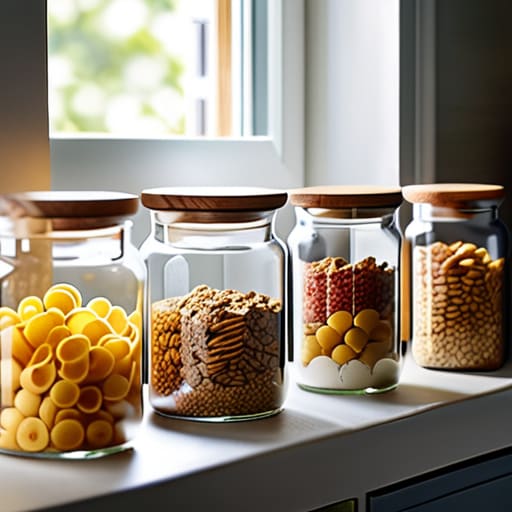
If you’re still keeping half-empty bags of chips or open boxes of cereal in your cupboard, you’re essentially inviting pests and staleness to dinner. The real airtight container benefits aren’t just about aesthetics—though a uniform set of glass jars does make pantry organization tips much easier to implement—it’s about controlling the environment. Exposure to oxygen is the primary driver of oxidation, which is just a fancy way of saying your food goes stale or rancid. By switching to sealed containers, you create a micro-environment that stabilizes moisture levels and keeps the contents fresh for weeks instead of days.
This logic extends to your freezer, too. If you aren’t using vacuum-sealed bags or heavy-duty, snap-lock containers, you aren’t doing much for freezer burn prevention. That weird, icy texture on your frozen peas or expensive steak? That’s moisture escaping the food and turning into ice crystals. It’s a waste of money and flavor. Invest in a few high-quality, durable containers now; it’s a one-time friction cost that pays dividends in reduced waste and better meals.
Five Practical Rules to Stop Your Groceries from Dying in the Crisper
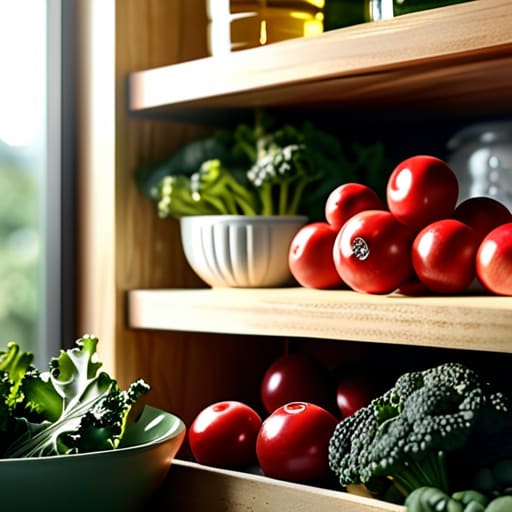
- Stop treating your crisper drawers like a black hole. Group your produce by humidity needs—leafy greens in one, hardy vegetables like carrots in the other—so you aren’t digging through a graveyard of wilted spinach just to find a bell pepper.
- Treat herbs like a bouquet of flowers. If you buy cilantro or parsley, snip the stems and stick them in a small glass of water in the fridge; they’ll stay crisp for a week longer than if you just toss them in a plastic bag.
- Don’t wash your berries until the exact moment you’re ready to eat them. Moisture is the enemy of shelf life, and pre-washing them is just an invitation for mold to move in by Wednesday.
- Use the “First In, First Out” method I learned in operations. When you get home from the store, move the older yogurt and produce to the front of the shelf and put the new stuff in the back. It sounds simple, but it stops the “what is that smell?” realization from happening.
- Keep your onions and potatoes far away from each other. They release gases that trigger each other to rot faster, and there is no sense in wasting money because you stored them in the same basket.
The Bottom Line: Less Waste, Less Stress
Stop guessing with your fridge settings; keep it consistent and cold to prevent that mid-week realization that your produce has turned into a science experiment.
Invest in a few decent, clear airtight containers so you can actually see what you own instead of playing detective in the back of the pantry.
Don’t overthink the organization—just group things logically so you aren’t wasting mental bandwidth every time you need to grab a snack.
## The Real Cost of Chaos
“Stop treating your fridge like a junk drawer and start treating it like a logistics problem; if you can’t see it, you won’t eat it, and if you won’t eat it, you’re just throwing money into a landfill every Tuesday.”
Diane Sterling-Voss
The Bottom Line
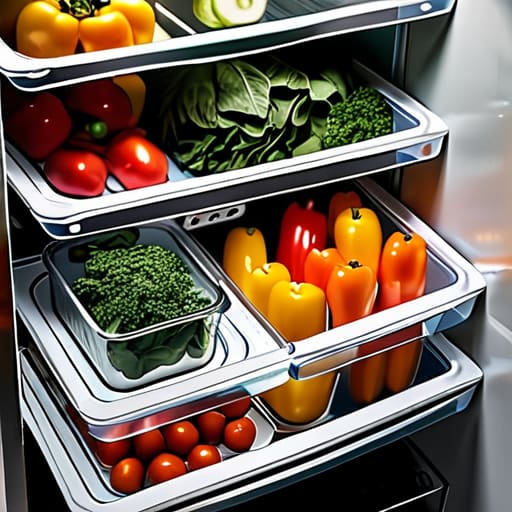
At the end of the day, proper food storage isn’t about achieving some Pinterest-perfect pantry aesthetic; it’s about reducing waste and saving money. We’ve covered the essentials: keeping your fridge at the right temperature to prevent bacterial growth, using airtight containers to stop oxidation in its tracks, and actually organizing your space so you can see what you own. If you implement even two of these systems—like grouping leftovers in clear bins or checking your thermometer once a week—you’ll immediately notice a reduction in those “mystery containers” that end up in the trash. It’s about moving from a reactive state of constant grocery replacement to a proactive state of managed inventory.
Don’t feel like you have to overhaul your entire kitchen by tomorrow morning. Systems fail when they are too complex to maintain during a busy work week, so just pick one area of friction and fix it. Whether it’s investing in a few decent glass containers or simply being more intentional about how you tuck produce into the crisper drawer, these small adjustments compound over time. My goal isn’t to turn you into a professional chef, but to help you reclaim the mental bandwidth you usually spend wondering why your spinach turned to slime overnight. Start small, stay consistent, and let the system do the heavy lifting for you.
Frequently Asked Questions
How do I know when a container is actually "airtight" versus just having a lid that fits?
Look, if you’re just sliding a lid on top and hoping for the best, it isn’t airtight. A true airtight seal needs a mechanical component—think silicone gaskets or locking clips that physically compress the lid against the base. The real test? Turn the container upside down over the sink. If you see even a hint of movement or hear a tiny hiss of air, it’s just a “fit,” not a seal. Get the ones with the clamps.
Do I really need to separate my produce, or can I just toss everything in the crisper drawer together?
Look, you don’t need a color-coded botanical system, but tossing everything into the crisper together is a fast track to mush. The problem is ethylene gas. Some fruits, like apples, are gas-emitters; others, like leafy greens, are gas-sensitive. If you mix them, your spinach will wilt in forty-eight hours. Keep the heavy hitters separate. Use one drawer for the “emitters” and another for the “sensitive” stuff. It’s a small mental lift that prevents massive food waste.
Is it worth the extra effort to freeze leftovers immediately, or should I let them cool on the counter first?
Don’t leave them on the counter. I’ve seen too many people think “letting it reach room temperature” is safer, but you’re actually just inviting bacteria to a party in that danger zone.