I’m tired of seeing “gourmet” recipe blogs treat dried legumes like they’re some high-maintenance science experiment requiring specialized equipment and three days of prep. If you search for how to cook beans and lentils, you’ll find a thousand different opinions, most of them involving expensive pressure cookers or complicated soaking rituals that feel more like a chore than a meal. Honestly, I don’t have the bandwidth for unnecessary friction in my kitchen, and I’m betting you don’t either. Most of these methods are just noise designed to sell you a gadget you’ll eventually use as a paperweight.
I’m not here to give you a lecture on culinary history or a list of “must-have” kitchen tech. Instead, I’m going to show you the battle-tested systems I use to get perfectly tender results without losing my mind on a Tuesday evening. We’re going to strip away the fluff and focus on the few variables that actually matter—timing, salt, and heat. By the end of this, you’ll know exactly how to cook beans and lentils with zero wasted energy and maximum efficiency.
Table of Contents
Soaking Dried Beans vs No Soak Choosing Your Level of Effort
Soaking dried beans vs no soak is the classic debate, and honestly, the “right” answer depends entirely on how much mental bandwidth you have left when you walk through the door. If you’re a planner—the kind who actually uses their Sunday meal prep to set up the week—soaking overnight is your best friend. It softens the skins, reduces cooking time, and generally makes them much easier on your digestion. It’s a low-effort move that pays dividends in texture.
However, if you’re staring at a pile of dry legumes on a Tuesday night and realized you forgot to prep, don’t panic. You don’t have to soak. You can go straight to the stove, though you’ll need to budget more time and perhaps a bit more water. If you’re really short on time, I usually skip the soak entirely and pivot to pressure cooker bean recipes, which turn a multi-hour ordeal into a manageable task. The goal isn’t perfection; it’s getting a decent, nutritious meal on the table without turning your kitchen into a high-stress laboratory.
Mastering Cooking Times for Different Lentils Without the Guesswork
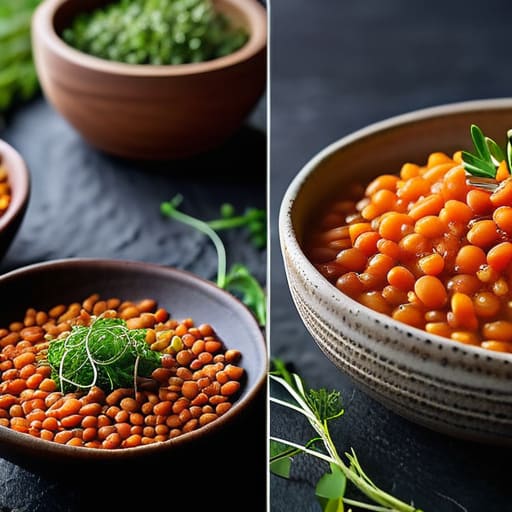
If you’re treating all lentils like they’re interchangeable, you’re going to end up with a bowl of beige sludge. The secret to avoiding that mess is understanding that different varieties have wildly different structural integrity. Red lentils are essentially the “fast food” of the legume world; they break down almost instantly, making them perfect for thick soups or dals where you want that creamy texture. On the other hand, green or Puy lentils are much more resilient. They hold their shape beautifully, which makes them the better choice for salads or grain bowls where you need a bit of bite.
To avoid the frustration of a ruined dinner, I recommend keeping a mental cheat sheet for cooking times for different lentils. Red lentils might only need 15 minutes, while brown lentils typically require 20 to 30. If you’re in a massive rush, you can certainly lean on pressure cooker bean recipes to shave off time, but even then, you need to be precise. My rule of thumb is to start with the most delicate variety first and adjust your timing based on the specific brand or age of the pulse. If you can’t tell if they’re done, taste them—don’t just rely on a timer.
Five Ways to Stop Guessing and Start Eating
- Stop adding salt at the beginning. I know, it sounds counterintuitive, but adding salt too early can toughen up the skins of certain beans, leaving you with a texture that’s more “gravel” than “creamy.” Wait until they’re nearly tender before you start seasoning heavily.
- Use aromatics from the start, not as an afterthought. Throw a halved onion, a couple of smashed garlic cloves, or a bay leaf into the pot while the beans simmer. It builds a foundation of flavor so you aren’t just eating plain, starchy mush.
- Keep an eye on your liquid levels. Beans are thirsty, and nothing ruins a Tuesday night faster than a pot that has boiled itself dry and started scorching. If you aren’t using a pressure cooker, keep a kettle of hot water nearby to top things off without dropping the temperature.
- Don’t trust the “boil” setting on your stove. Once your beans hit a boil, drop it down to a low, steady simmer. A violent boil breaks the beans apart and turns them into a cloudy, disintegrated mess. You want gentle bubbles, not a storm.
- Acid is your secret weapon for finishing. If your beans or lentils taste “flat” even after you’ve salted them, they probably need acid. A small splash of red wine vinegar or a squeeze of lemon juice right before serving wakes up the whole dish and cuts through the heaviness.
The Bottom Line for Your Pantry
Don’t let the fear of dried beans stop you; if you’re short on time, just use canned beans or skip the soak and use a pressure cooker to bridge the gap.
Treat lentils and beans as two different animals—lentils are your quick-fix weekday solution, while dried beans are for when you have the foresight to plan a day ahead.
Stop obsessing over perfect timing and start tasting; once you get the basic ratios down, your palate will tell you more than any timer ever could.
The Reality of the Pot
“Forget the culinary school lectures about precision; cooking beans is really just about managing your expectations and your clock. If you plan for the soak, you win the evening; if you don’t, you’re just praying to a pot of hard pebbles.”
Diane Sterling-Voss
Cutting the Complexity
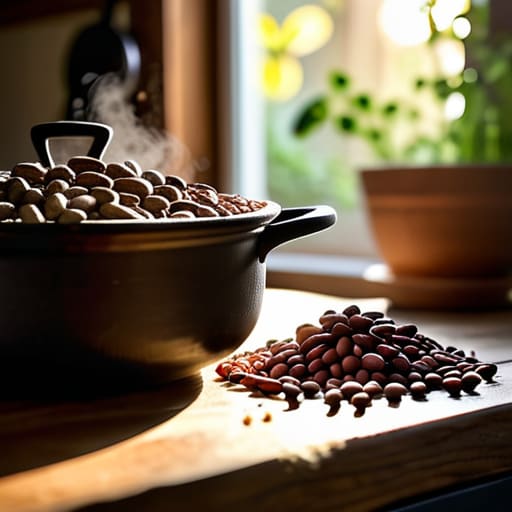
At the end of the day, cooking beans and lentils shouldn’t feel like a high-stakes chemistry experiment. Whether you decide to commit to an overnight soak to save your digestion or you opt for the quick soak method when you’ve forgotten to plan ahead, the goal is the same: predictability. You now know that lentils are your go-to for a quick Tuesday night win, while dried beans require a bit more foresight but offer a superior texture that’s worth the wait. Stop overthinking the variables and just trust the process you’ve built. Once you have these basic timing and preparation systems in place, you stop worrying about the pot on the stove and start focusing on the meal itself.
My philosophy has always been about reducing friction, and mastering these staples is one of the most effective ways to do exactly that. When you stop relying on expensive, canned shortcuts and start managing your own pantry, you reclaim both your budget and your kitchen autonomy. It isn’t about being a gourmet chef; it’s about having a reliable system that feeds you well without draining your mental bandwidth. Now, go put a pot on the stove, set a timer, and get back to your life.
Frequently Asked Questions
Can I just use canned beans to save time, or am I sacrificing too much flavor and texture?
Look, if it’s a Tuesday night and you’re staring at a sink of unsoaked chickpeas, use the can. You aren’t “sacrificing” everything; you’re buying back twenty minutes of your life. To fix the texture, just rinse them thoroughly in a colander to get rid of that metallic tin taste. If you have the time, dried is better for depth, but canned is a perfectly valid tool for staying sane.
How do I know when they're actually done without constantly checking the pot and losing my flow?
Stop hovering over the stove. You aren’t a sous-chef in a high-pressure kitchen; you’re just trying to get dinner on the table. The most reliable method is the “spoon test.” Grab a single bean, let it cool for five seconds, and mash it against the roof of your mouth. If it’s creamy with zero grit, you’re done. If it feels grainy, give it five more minutes. Set a timer, walk away, and reclaim your headspace.
Do I really need to add salt or aromatics to the water, or is that just extra effort for little reward?
Look, if you’re just looking for fuel, plain water works. But if you want them to actually taste like food rather than wet cardboard, salt is non-negotiable. Salt the water early; it seasons the bean from the inside out. As for aromatics—garlic, a bay leaf, or an onion scrap—don’t overthink it. It’s a low-effort, high-reward move. Throw them in the pot and forget about them. It’s about building a foundation, not adding chores.