I’ve spent enough years in corporate operations to know that most “productivity hacks” are just extra chores disguised as solutions. We’ve all been there: it’s 6:00 PM on a Tuesday, the mental bandwidth is at zero, and the last thing you want to do is play Tetris with a mountain of dirty dishes. The problem isn’t that we can’t cook; it’s that we’ve overcomplicated the process. That’s why I rely heavily on easy one pot meals to bridge the gap between a chaotic workday and a functional evening. If a recipe requires three different pans and a specialized sous-vide machine, I’m not interested. I want efficiency that actually feels like freedom.
In this guide, I’m stripping away the culinary fluff to give you five battle-tested systems for dinner. I’m not talking about complicated recipes that require a grocery store pilgrimage; I’m talking about straightforward, low-friction meals that use minimal equipment and even less brainpower. These five options are designed to get you fed and back to your life without the dreaded post-dinner cleanup meltdown. Let’s get into the practical stuff.
Table of Contents
The Sheet Pan Roast
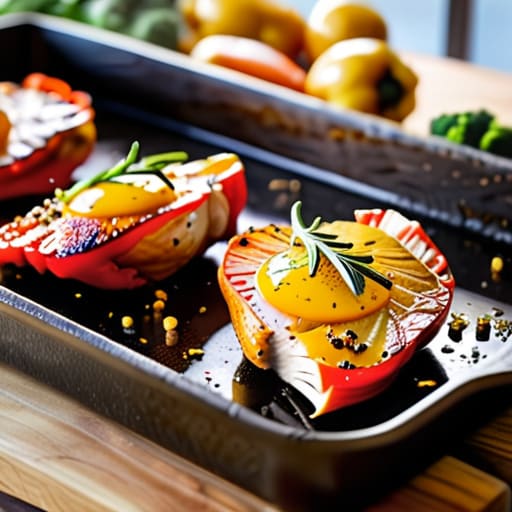
If you’re staring at a pile of raw vegetables and a couple of chicken thighs wondering where your evening went, this is your solution. You aren’t looking for a culinary masterpiece; you’re looking for a reliable system. Throw everything onto a single heavy-duty baking sheet, drizzle with olive oil, season aggressively with salt and pepper, and let the oven do the heavy lifting.
The Pantry-Staple Pasta
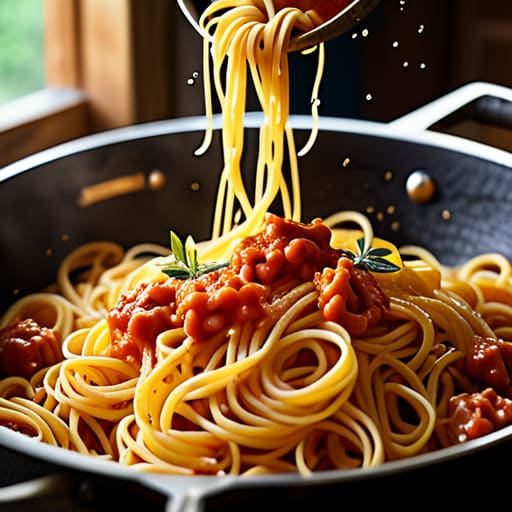
We’ve all been there—it’s 6:30 PM, the fridge is looking depressingly empty, and the temptation to order expensive takeout is peaking. Instead, reach for a box of pasta and a jar of high-quality marinara or even just some garlic and olive oil. This is about reducing decision fatigue when your willpower is at its lowest.
The One-Pot Grain Bowl
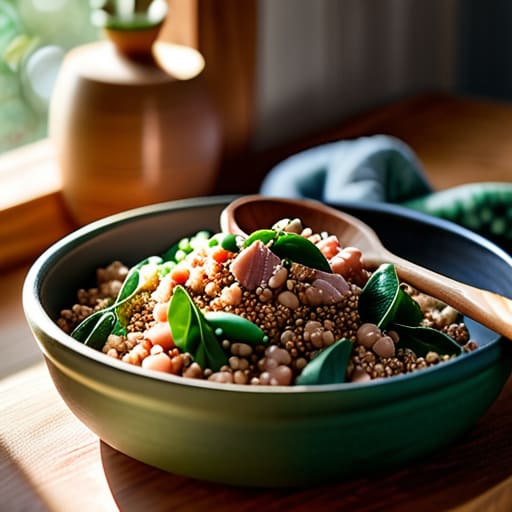
Most people overcomplicate healthy eating by trying to follow complex recipes that require twelve different ingredients. My approach is much more pragmatic: pick a grain, a protein, and a green, then cook them in one go if you can. A simple quinoa or rice-based pot with some frozen peas and canned tuna is a functional meal that keeps you fueled.
ITEM_HEADING: The Skillet Chili
Chili is the ultimate “set it and forget it” meal for when you have a bit more time in the evening but zero desire to manage multiple burners. Brown your ground meat or plant-based alternative in a single deep skillet, dump in your beans and canned tomatoes, and let it simmer. It’s a low-maintenance process that rewards you with leftovers for the next two days.
The Skillet Frittata
Breakfast for dinner is one of those old-school tactics that actually holds up under scrutiny. An egg-based frittata is essentially a way to use up whatever random bits of cheese, spinach, or deli meat are lingering in your crisper drawer. It requires one single skillet and about ten minutes of active attention.
The Bottom Line on One-Pot Systems
Don’t overcomplicate the gear; a single heavy-bottomed pan is more valuable than a drawer full of specialized gadgets that just create more dishes.
Prioritize prep over technique—if you spend twenty minutes chopping, you’ve already lost the battle against a busy Tuesday.
View these meals as a way to reclaim mental bandwidth, not as a culinary performance; the goal is fuel and cleanup, not a Michelin star.
The Logic of the Single Pan
Cooking shouldn’t feel like a second job; if your meal prep requires a mountain of dishes and a complex flowchart, you haven’t built a recipe, you’ve built a liability. A good one-pot meal is about reducing the friction between hunger and a clean kitchen.
Diane Sterling-Voss
The Bottom Line on Low-Friction Dinners
At the end of the day, these five recipes aren’t about culinary perfection or impressing a food critic; they are about reducing the cognitive load of a Tuesday night. Whether you’re leaning on a hearty pasta bake or a quick, one-pan protein and veggie sauté, the goal is the same: getting decent food into your system without a mountain of dishes waiting in the sink. If you can master the art of the single-pan meal, you’ve effectively reclaimed a significant chunk of your evening. It’s about choosing the path of least resistance so you can stop managing your kitchen and start actually living in it.
I know how it feels when the mental bandwidth is tapped out and the thought of a complex recipe feels like a personal insult. Don’t let the pressure to cook “properly” become another chore on your to-do list. Use these systems to build a foundation of reliability in your routine, then tweak them as you go. The real victory isn’t in the seasoning—it’s in the peace of mind that comes from knowing dinner is handled. Now, put the heavy pan on the stove, set your planner aside, and just breathe. You’ve got this.
Frequently Asked Questions
How do I prevent the bottom of the pan from burning when I'm cooking grains or pasta directly in the sauce?
The secret isn’t a better pan; it’s managing your heat and your hydration. First, stop cooking on high. Once your liquid hits a simmer, drop it to low immediately. Second, you need more liquid than the package suggests—sauces thicken faster than water, and that’s when the bottom scorches. Finally, stir every few minutes. It’s not “fussy” cooking; it’s just ensuring the starch doesn’t glue itself to the metal while you’re distracted.
Can I actually use frozen vegetables in these recipes, or will they turn the whole dish into a soggy mess?
You absolutely can, but you have to respect the moisture content. Frozen veggies are flash-frozen at peak freshness, which is great, but they hold a lot of water. If you toss them in mid-way through, they’ll steam rather than sauté, which is how you end up with that soggy mess you’re worried about. My rule: add them during the last five to seven minutes of cooking. It keeps the texture intact without ruining the dish.
What’s the best way to scale these recipes down if I’m just cooking for one without ending up with a week's worth of leftovers?
The “leftover trap” is real, especially when you’re trying to avoid food waste. My rule is simple: scale the protein and the starch, but don’t bother scaling the aromatics—onions, garlic, and spices work fine in smaller quantities. If a recipe calls for a full can of beans or a whole head of broccoli, just use what you need and freeze the rest immediately. Don’t try to eyeball it; use a kitchen scale. Precision prevents waste.