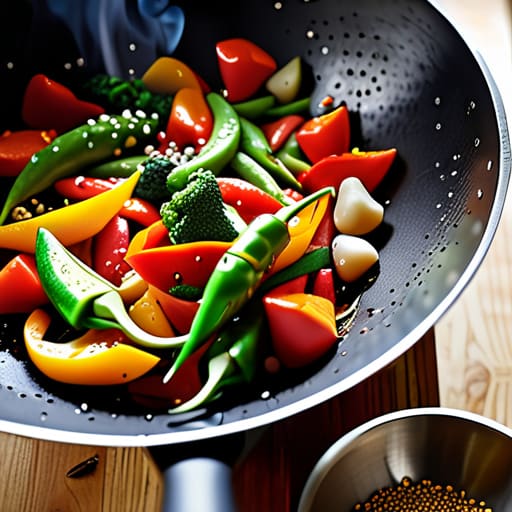
I’m going to say something that might offend the culinary influencers: you don’t need a $200 carbon steel wok or a pantry full of obscure, single-use fermented pastes to succeed. Most online tutorials make learning how to make a stir fry look like a high-stakes chemistry experiment, complete with complicated knife skills and “secret” sauces that take forty minutes to simmer. In reality, most of that is just unnecessary friction. When you’re staring at a pile of wilted broccoli and a half-empty bag of frozen shrimp at 6:30 PM, the last thing you need is a recipe that demands a degree in molecular gastronomy.
I’m not here to give you a lecture on traditional techniques; I’m here to give you a functional system. I’ve spent years optimizing workflows in the corporate world, and I apply that same logic to my kitchen. I’m going to show you how to prep, heat, and toss your ingredients so you get high-quality results without the mental burnout. We’re focusing on maximum flavor with minimum cleanup, because a meal isn’t a success if you’re too exhausted to enjoy it.
Table of Contents
Streamlined Vegetable Prep for Stir Fry Without the Mess
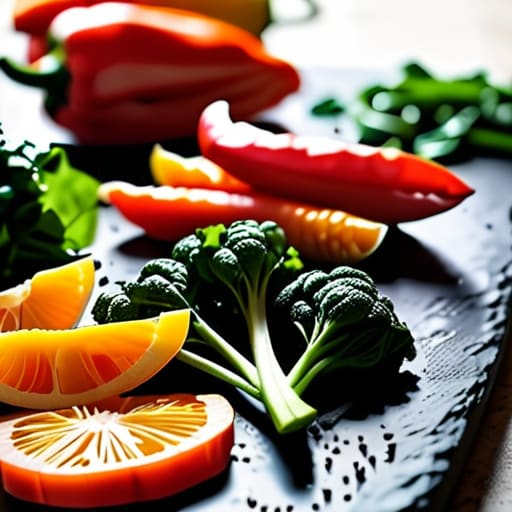
The biggest bottleneck in any quick meal is the chopping. If you’re standing there peeling ginger while your pan is smoking, you’ve already lost the battle. To keep this efficient, I treat vegetable prep for stir fry like a production line. Don’t bother with fancy mandolines or intricate knife skills that require constant cleaning; aim for uniform, bite-sized pieces that cook at the same rate. I usually group my prep into three piles: the aromatics (garlic, ginger, scallions), the hardy vegetables (carrots, broccoli, bell peppers), and the soft ones (spinach, snap peas).
To avoid a kitchen that looks like a crime scene, use a single large cutting board and a “trash bowl” next to you. Every time you peel a carrot or trim a stem, it goes straight into the bowl, not into a pile on your counter. This simple bit of quick stir fry meal prep keeps your workspace clear so you can focus on the heat. Once the prep is done, get it all into one or two containers. When the pan is hot, you shouldn’t be reaching for a knife; you should just be grabbing handfuls of ingredients and moving.
A Protein Marinade for Stir Fry That Actually Delivers
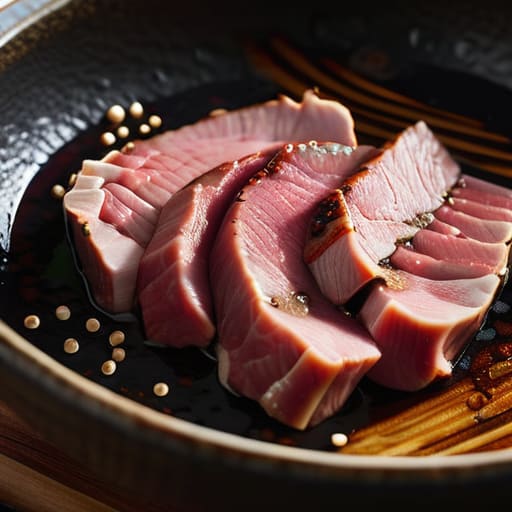
If you’re still using store-bought, corn-syrup-heavy bottled sauces, we need to talk. Most of those are just sugar masquerading as flavor. For a real protein marinade for stir fry, you want something that builds depth without turning your meat into a sticky, charred mess the second it hits the pan. I keep a standard ratio in my fridge: soy sauce for salt, a splash of toasted sesame oil for aroma, and a teaspoon of grated ginger. If you’re using chicken or beef, let it sit for at least fifteen minutes. It’s not about a deep soak; it’s about ensuring the flavor actually penetrates the surface before the heat hits.
The real secret to efficiency, though, is the starch. I always add a small amount of cornstarch directly into the marinade. This does two things: it tenderizes the protein and creates a slight coating that helps your stir fry sauce ingredients cling to the meat later on. When you finally move to the high-heat stage, that starch helps create a beautiful, silky texture rather than just leaving you with dry, grey chunks of protein. It’s a small step that makes a massive difference in the final result.
Five Rules for Avoiding the "Soggy Mess" Syndrome
- Heat the pan until it’s actually screaming. If you drop your ingredients into a lukewarm wok, you aren’t stir-frying; you’re steaming them in their own juices, and that’s how you end up with a sad, grey pile of vegetables.
- Group your ingredients by cook time. I always keep my “hard” veggies (carrots, broccoli) in one pile and my “soft” veggies (bell peppers, snap peas) in another. Toss the hard ones in first so they don’t turn to mush while the others finish.
- Don’t crowd the pan. It’s tempting to dump everything in at once, but if the pan is too full, the temperature drops instantly. Work in batches if you have to. I’d rather cook twice than eat one mediocre, watery meal.
- Set your sauce aside in a small bowl before you even turn on the stove. There is nothing more stressful than a pan full of searing protein and a frantic, messy search for the soy sauce bottle. Have the liquid ready to go.
- The sauce goes in at the very end. Once your protein is cooked and your veggies have that perfect crunch, pour the sauce around the edges of the pan to let it bubble and thicken for thirty seconds, then toss. It coats everything without turning the whole dish into soup.
The Bottom Line for a Frictionless Stir Fry
Prep everything before you turn on the heat; once that pan gets hot, you won’t have the mental bandwidth to start chopping.
Don’t aim for perfection in your knife work—uniformity matters more than aesthetics so everything cooks at the same rate.
Keep your sauce and protein ready to go so you aren’t scrambling while your vegetables turn to mush in the pan.
The Philosophy of the Pan
A great stir fry isn’t about following a rigid recipe or mastering complex culinary techniques; it’s about managing your heat and your timing so you aren’t standing over a steaming wok feeling defeated by a pile of limp vegetables.
Diane Sterling-Voss
The Final Assembly
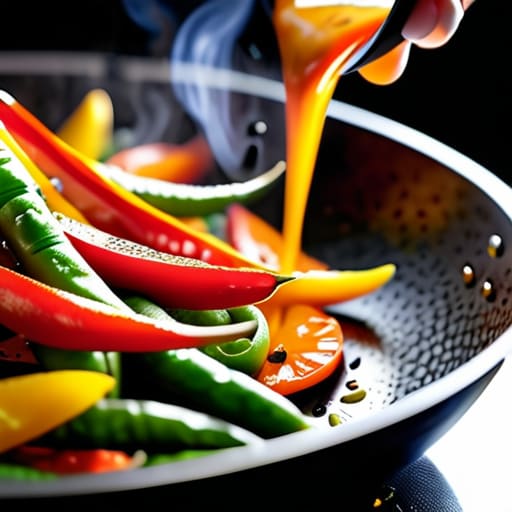
At this point, the heavy lifting is behind you. You’ve already handled the prep work, minimized the kitchen chaos, and ensured your protein is actually flavorful rather than just boiled in soy sauce. When it comes time to actually hit the heat, remember that the goal is a high-temperature, fast-paced execution. Don’t let the pan cool down between batches; keep that momentum going so you achieve that perfectly crisp-tender texture without turning everything into a soggy mess. If you follow this sequence—protein first, then the aromatics, then the vegetables, and finally the sauce—you aren’t just cooking; you’re following a reliable system that works every single time, regardless of how much mental bandwidth you have left at the end of the day.
Ultimately, a good stir fry isn’t about culinary perfection or plating it like a Michelin-star chef. It’s about having a high-quality, nutritious meal on the table in twenty minutes so you can stop thinking about logistics and start actually enjoying your evening. We spend so much of our lives managing friction, but tonight, you’ve built a process that removes it. Use this as a template for your other weeknight meals: prep with intention, cook with heat, and stop overcomplicating the process. Now, turn off the stove, grab a bowl, and get some rest.
Frequently Asked Questions
How do I stop my vegetables from turning into mush by the time the protein is done?
The mistake most people make is treating a stir fry like a stew. You can’t just toss everything in at once and hope for the best. To keep things crisp, cook your protein first, remove it from the pan, and set it aside. Then, sear your vegetables in batches—harder veggies like carrots first, softer ones like peppers last. Only combine everything with the sauce at the very end for a quick, high-heat finish.
What’s the best way to thicken the sauce so it actually clings to the food instead of pooling at the bottom of the pan?
The “pooling sauce” problem is usually a sign of poor emulsification or too much liquid. To fix this, use a cornstarch slurry. Mix one teaspoon of cornstarch with a tablespoon of cold water in a small bowl until smooth, then pour it into the pan during the last minute of cooking. It creates a glossy sheen that clings to every piece of protein and veg, rather than just drowning them. Simple, effective, and no waste.
Can I prep this entire thing ahead of time, or does the texture fall apart if it sits in the fridge?
You can prep most of it, but don’t go all-in. I’d chop the veggies and whisk the sauce hours (or even a day) ahead. However, keep the protein separate until you’re ready to cook. If the meat sits in that marinade too long, the acid can turn the texture mushy. Think of it as a staged assembly line: prep the components, but wait for the heat to bring them together.