I’m tired of seeing “gourmet” recipes that require a sous-vide machine, three different types of artisanal salts, and forty minutes of prep time just to handle a piece of poultry. If you search for how to cook chicken breast online, you’ll find a thousand different ways to turn a simple protein into a high-maintenance project that eats up your entire evening. Honestly, it’s exhausting. We aren’t trying to win a Michelin star on a Tuesday; we’re just trying to get a decent, high-protein meal on the table without feeling like we’ve just completed a second shift at the office.
Here is my promise to you: I am going to strip away the fluff and the unnecessary kitchen gadgets. I’m sharing the exact, battle-tested method I use when I need something reliable, fast, and actually delicious. No complicated marinating schedules or expensive equipment required—just a few straightforward principles that ensure you never have to chew on a dry, rubbery piece of meat ever again. Let’s get to the part that actually works.
Table of Contents
Mastering the Pan Seared Chicken Breast Method
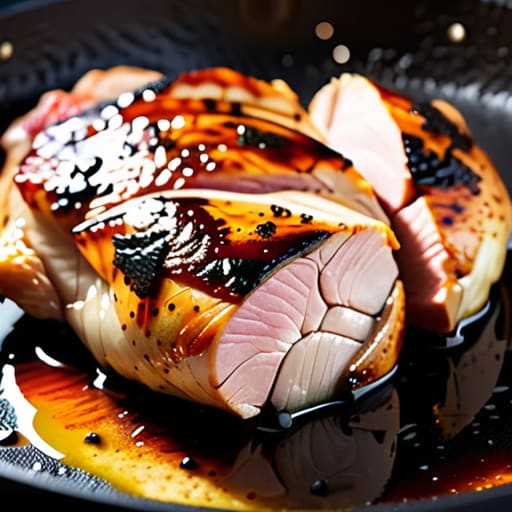
Forget the complicated recipes that require a sous-vide machine and three different types of specialty salts. The pan-seared chicken breast method is my default because it’s fast, uses one pan, and actually delivers. Start by patting the meat bone-dry with paper towels; if there’s moisture on the surface, you’re steaming the meat instead of searing it, and that’s the fastest way to end up with a rubbery texture. Use a heavy-bottomed skillet—cast iron is my preference—and get your oil shimmering before the chicken even touches the pan.
Once it’s in, leave it alone. I know the temptation to poke and prod is real, but you need that golden-brown crust to lock in flavor. For some quick chicken breast seasoning ideas, just keep it simple: kosher salt, cracked black pepper, and maybe a pinch of garlic powder. The real secret to preventing dry chicken breast is knowing when to pull it off the heat. Don’t guess. Use a digital thermometer to hit an internal temperature for chicken of 165°F (74°C), then let it rest for five minutes. That rest period is non-negotiable if you want the juices to stay put.
Moist Chicken Breast Techniques for Busy Weeknights
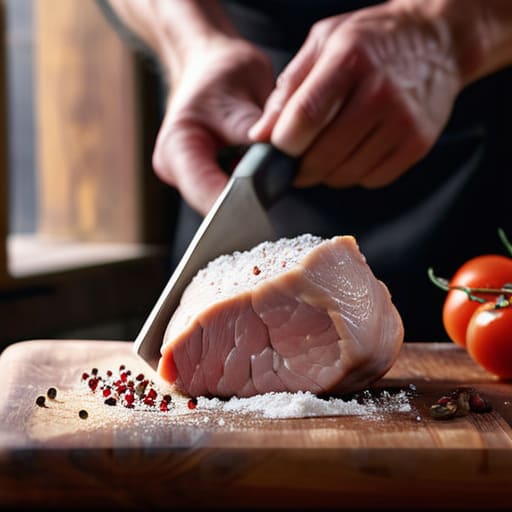
If you’re tired of chewing on something that feels more like a sponge than dinner, you need to stop treating every piece of poultry like a uniform slab of meat. Most supermarket breasts are unevenly shaped, which is why one side is rubbery while the other is still raw. My go-to for preventing dry chicken breast is a simple mallet or even the bottom of a heavy skillet. Pound those thicker ends until the meat is a consistent thickness. It takes thirty seconds, but it ensures the heat hits every square inch at the same time.
When you’re short on time, don’t bother with complex marinating rituals that require a three-hour head start. Instead, lean into high-impact chicken breast seasoning ideas—think smoked paprika, garlic powder, and plenty of kosher salt—and let them sit for just ten minutes while you prep your sides. If you’re opting for the oven, remember that the secret isn’t more heat; it’s knowing when to stop. Pull the meat when it hits an internal temperature for chicken of 160°F (71°C). Carryover cooking will bring it up to the safe 165°F mark while it rests, keeping it juicy without the guesswork.
Five Rules to Stop Eating Dry, Sad Chicken
- Buy a meat thermometer. If you aren’t pulling that chicken off the heat at 160°F (82°C) to let it carry-over cook to 165°F, you’re playing a guessing game with your dinner. Stop relying on “it looks white enough.”
- Pat it dry. I mean really dry. Use paper towels to strip every bit of moisture from the surface before it hits the pan. If the chicken is wet, it steams; if it’s dry, it sears. There is no middle ground.
- Salt it early. Don’t wait until the meat is in the pan to start seasoning. Salt it at least fifteen minutes before cooking—or better yet, an hour ahead in the fridge. It helps the seasoning penetrate the muscle fibers rather than just sitting on top like dust.
- Let it rest. This is where most people fail. If you cut into that breast the second it hits the cutting board, all the juice runs out and you’re left with something resembling a sponge. Give it five minutes of peace on the board.
- Standardize your thickness. Chicken breasts are uneven by nature—thick at one end, thin at the other. Use a meat mallet or even the bottom of a heavy pan to even them out. Uniform thickness means the whole piece finishes cooking at the exact same time.
The Bottom Line for Tuesday Night Dinner
Stop guessing with a knife; use a digital meat thermometer to pull the chicken at 160°F so it carries over to 165°F without turning into cardboard.
Prioritize the sear—if the pan isn’t hot enough to sizzle immediately, you’re just boiling meat in its own juices, and nobody wants that.
Let it rest for five minutes before you even think about slicing it; it’s the only way to keep the moisture inside the meat instead of on your cutting board.
## The Golden Rule of Protein
Stop treating chicken breast like a high-stakes science experiment; it’s just fuel. If you respect the heat and stop poking it every thirty seconds, you’ll end up with a decent meal instead of a dry, sad chore.
Diane Sterling-Voss
The Bottom Line
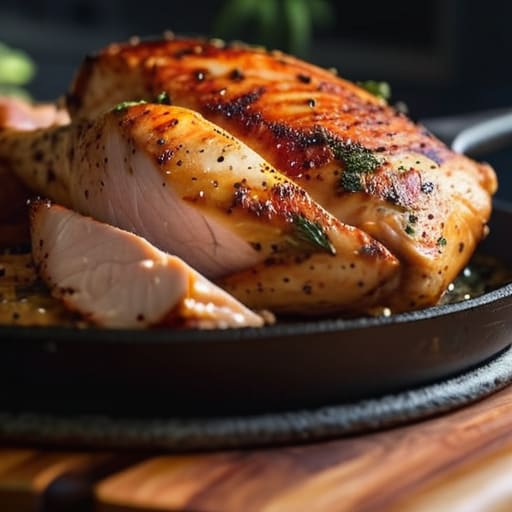
At the end of the day, cooking a decent chicken breast shouldn’t feel like a high-stakes engineering project. Whether you’re opting for the high-heat sear to get that golden crust or using a more forgiving moisture-retention method for those frantic weeknights, the goal remains the same: consistency without the chaos. Remember to stop obsessing over perfection and start focusing on the fundamentals—temperature control, proper seasoning, and knowing when to pull it off the heat. If you follow these systems, you’ll stop fighting your ingredients and start actually enjoying your dinner.
We spend so much of our mental energy navigating complex workflows and digital clutter; your kitchen shouldn’t be another source of friction. Once you have these basic patterns down, the chicken becomes a background task rather than a chore, freeing you up to focus on the people sitting across the table from you. Don’t let a simple protein become a roadblock in your evening. Master the system, minimize the stress, and get back to the parts of your life that actually deserve your attention.
Frequently Asked Questions
How do I know for sure it's done without constantly poking it with a knife?
Buy a digital instant-read thermometer. It’s the only way to stop the guesswork. Stop poking it with a knife; you’re just letting the juices escape and turning your dinner into sawdust. Pull the chicken off the heat when it hits 160°F (71°C). Carry-over cooking will bring it up to the safe 165°F while it rests. It’s a simple, data-driven system that works every single time. No more dry, mediocre chicken.
Is it actually worth the extra effort to brine the meat, or is that just more friction?
Look, if you’re already mid-weeknight meltdown, don’t bother. Brining is high-friction; it requires planning, salt ratios, and extra cleanup. It’s not worth the mental bandwidth when you’re just trying to get dinner on the table. However, if you’re prepping on Sunday for a busy week, a quick wet brine is a solid investment. It builds a safety net against overcooking. But for a Tuesday? Skip it. Just season well and watch your heat.
Can I prep these in bulk on a Sunday without them turning into rubber by Wednesday?
Yes, you can, but don’t cook them all the way through on Sunday. If you fully sear and bake them then, they’ll be dry, rubbery, and frankly, depressing by Wednesday.