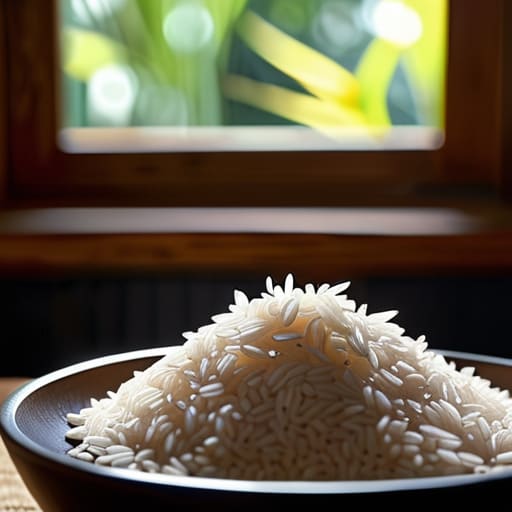
I’m going to say something that might annoy the culinary enthusiasts: you do not need a $200 high-tech induction cooker or a PhD in food science to master your pantry staples. I spent years in corporate operations watching people overcomplicate simple workflows, and I see the same thing in kitchens—people drowning in “pro tips” and expensive gadgets when they’re really just looking for a way to how to cook rice perfectly without ending up with a pot of gummy, unidentifiable mush. If you’ve ever stared at a bowl of mushy, overcooked grains and felt that specific wave of Tuesday afternoon defeat, I get it.
I’m not here to sell you on a complicated ritual or a list of unnecessary equipment. My goal is to give you a battle-tested, repeatable system that works every single time, regardless of whether you’re using a cheap pot or a standard rice cooker. We are going to strip away the fluff and focus on the only two variables that actually matter: the ratio and the heat. By the time we’re done, you’ll have a reliable method that saves you time and, more importantly, your mental bandwidth.
Table of Contents
Mastering the Rice to Water Ratio Without the Guesswork
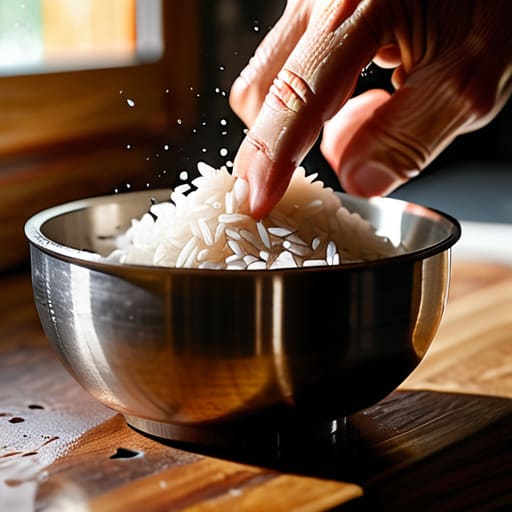
If you’re still clinging to a precise measuring cup for every single batch, you’re adding unnecessary friction to your kitchen workflow. While those strict recipes look good on paper, they don’t account for the humidity in your kitchen or the age of the grain. For most of my weeknight meals, I rely on the knuckle method. It’s a simple, tactile way to find the right rice to water ratio without digging through a drawer for a scale. Just level the rice in the pot, place your index finger on top, and add water until it reaches the first joint of your finger. It’s a battle-tested shortcut that works more consistently than most digital apps.
Before you even turn on the heat, though, don’t skip the rinse. I know it feels like an extra step, but the rinsing white rice benefits are too practical to ignore; it washes away the excess surface starch that leads to a gummy, clumping mess. If you want to avoid that dreaded texture, aim for individual grains that actually separate. Once you’ve rinsed it well, let the water come to a boil, then drop it to a simmer and walk away. The secret isn’t in the heat; it’s in the patience.
Rinsing White Rice Benefits for a Cleaner Grain
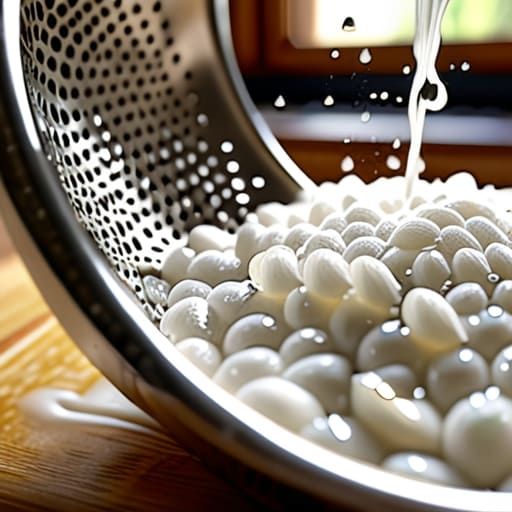
Most people treat rinsing as an optional chore, but if you want to avoid a gummy, starch-heavy mess, it’s non-negotiable. When you pull rice out of the bag, it’s coated in surface starch. If you skip this step, that starch turns into a glue-like film during the cooking process. One of the primary rinsing white rice benefits is that it physically removes that excess powder, ensuring each grain stays distinct. It’s the difference between a bowl of cohesive clumps and actual, individual grains.
Don’t overthink the process; you don’t need a specialized colander if you don’t have one. Just put the rice in a fine-mesh strainer or even a bowl, run cold water over it, and swirl it around with your hand. Keep going until the water runs mostly clear rather than milky. This simple bit of friction is the most effective way of avoiding mushy rice without having to fiddle with complex temperature controls or expensive equipment. It’s a thirty-second investment that pays dividends in texture every single time.
Three Rules and Two Troubleshooting Tips for a Better Pot
- Use a heavy-bottomed pot if you have one. Thin, cheap pots create hot spots that turn the bottom layer into a scorched crust before the top is even steamed. It’s a small hardware upgrade that saves a lot of frustration.
- Once the water is absorbed, turn off the heat and leave the lid on. Do not touch it. That ten-minute rest is when the moisture redistributes; if you peek early, you’re just inviting gummy texture.
- Stop using a spoon to stir the rice while it’s cooking. You’ll break the grains and release too much starch, turning your side dish into a bowl of paste. Let the physics do the work.
- If you end up with rice that’s a little too wet, don’t panic. Spread it out on a flat tray or plate to let the excess steam escape. It’s a quick fix that works better than trying to “cook it off” in the pot.
- Always check your heat settings. Most people crank it to high and forget about it, but once the boil hits, you need to drop it to the lowest possible setting. Consistency is better than intensity.
The Bottom Line for Stress-Free Rice
Stop obsessing over measuring cups; if you’re using a standard pot, stick to the 2:1 ratio and trust the math.
Don’t skip the rinse—it’s the only way to prevent that gummy, gluey texture that ruins a good meal.
Let the rice sit undisturbed after the heat is off; that extra ten minutes of steam is the difference between mush and perfection.
The Philosophy of the Grain
“Stop treating rice like a science experiment and start treating it like a system. You don’t need a laboratory-grade scale to get it right; you just need a consistent ratio and the discipline to stop hovering over the pot. Precision isn’t about complexity—it’s about removing the variables that lead to a mushy mess.”
Diane Sterling-Voss
Stop Overthinking Your Side Dish
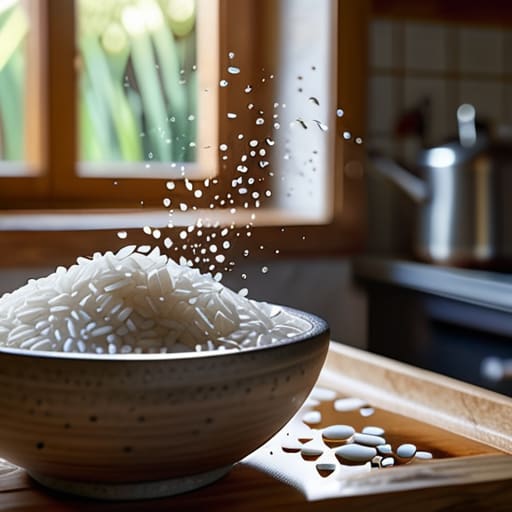
At the end of the day, cooking perfect rice isn’t about mastering some culinary sorcery; it’s about respecting the process. If you remember nothing else, remember the two pillars: rinse your grain to strip away that excess starch, and stick to a reliable water ratio that works for your specific pot. You don’t need a digital thermometer or a specialized gadget to get a clean, fluffy result. Once you stop guessing and start using a repeatable system, the rice becomes a reliable foundation for your meal rather than another variable causing stress in the kitchen.
My goal isn’t to turn you into a professional chef, but to help you reclaim the mental bandwidth you usually waste on “what if” scenarios. When you have a battle-tested method for the basics, you free up your energy for the things that actually matter—like enjoying the meal or finally sitting down after a long day. Don’t let a simple starch stand in the way of a good dinner. Get the system right, trust the process, and let the rice do its job so you can get back to living.
Frequently Asked Questions
What should I do if I end up with mushy rice halfway through the process?
If you realize your rice is turning into mush halfway through, don’t panic and don’t keep cooking it. The mistake is usually too much water or too much heat. Immediately remove the pot from the stove and take the lid off to let the excess steam escape. If it’s still quite wet, spread the rice out on a baking sheet to air-dry for a few minutes. It’s not ideal, but it’ll save the meal.
Do I really need to wait for the rice to rest before I start fluffing it?
Look, I get it. You’re hungry, the pot is open, and you want to dive in. But if you want to avoid that gummy, clumpy mess, yes—you need to wait. Give it ten minutes under a lid. That resting period allows the moisture to redistribute evenly through the grains. If you fluff it immediately, you’re essentially bruising the starch and releasing too much steam. Patience for ten minutes saves you a mediocre meal.
Can I use the same ratio for brown rice, or am I going to end up with a crunchy mess?
Don’t even try it. If you apply that same ratio to brown rice, you’ll end up with something that feels like eating gravel. Brown rice is a different beast entirely; it still has that tough outer bran layer that needs more time and more hydration to soften up. For brown rice, I usually bump the water up to a 2:1 ratio and extend the simmer. It’s not a quick fix, but it avoids the crunch.