By 6:00 PM on a Tuesday, my brain is usually too fried to process a complex recipe, let alone a ten-step culinary masterpiece. We’ve all been there: staring into a half-empty fridge, debating whether we have the mental bandwidth to actually cook or if we should just give in to the siren call of expensive, salty takeout. The problem isn’t a lack of willpower; it’s a lack of functional systems. Most advice out there makes eating well feel like a second full-time job, but I’m not interested in anything that adds more friction to an already long day. I need healthy dinner ideas that respect my time and my energy levels, not just my caloric intake.
In this post, I’m stripping away the fluff and sharing five of my go-to, battle-tested dinner solutions. These aren’t elaborate gourmet projects; they are low-effort, high-reward meals designed to get you fed and back to your life without the cleanup headache. I’ll show you exactly how to assemble these meals using minimal tools and even less decision-making. If you’re ready to stop the nightly “what’s for dinner” spiral and start eating with actual intention, let’s get into it.
Table of Contents
The Sheet Pan Standard
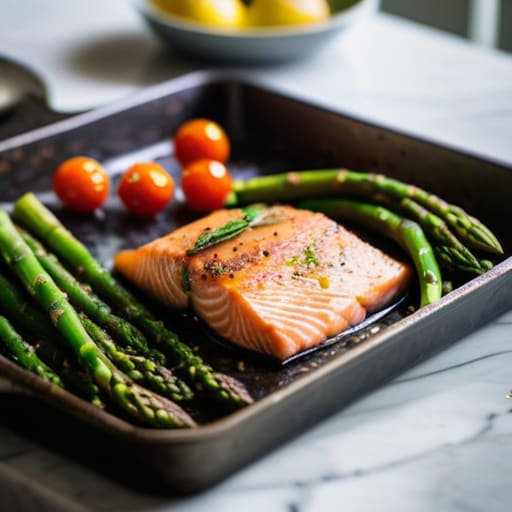
There is no room in a functional evening for a sink full of pots and pans. I rely heavily on the sheet pan method because it minimizes the cognitive load of cleaning up later. You simply toss a protein—salmon, chicken thighs, or even firm tofu—onto a tray with whatever vegetables are currently looking sad in your crisper drawer. Drizzle with olive oil, hit it with salt and pepper, and let the oven do the heavy lifting while you actually sit down for ten minutes.
The "Dump and Simmer" Grain Bowl
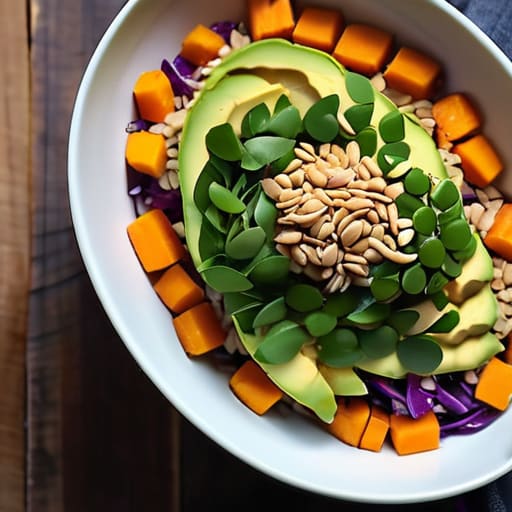
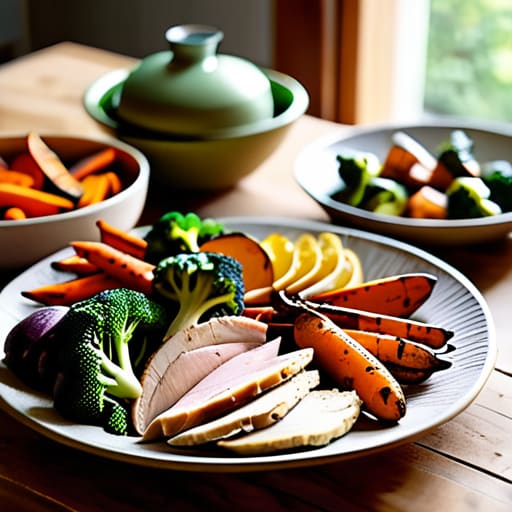
I view grain bowls as the ultimate modular system for nutrition. Instead of cooking a complex recipe, you are essentially assembling components. I keep a large batch of quinoa or farro in the fridge—it takes about twenty minutes on a Sunday—which serves as your reliable foundation. When Tuesday rolls around and you’re running low on mental energy, you aren’t “cooking” so much as you are just assembling parts.
The High-Protein Pantry Pasta
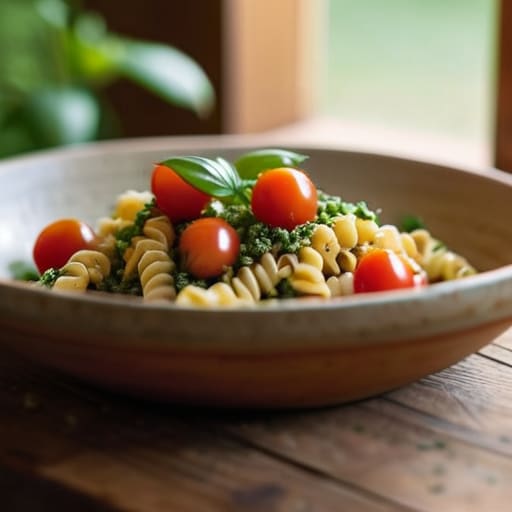
Most people think pasta is a “cheat meal,” but if you approach it with a bit of tactical planning, it’s a perfectly fine weeknight staple. I swap traditional wheat pasta for chickpea or lentil-based varieties. They have a slightly different texture, sure, but the nutritional density and the extra protein make a massive difference in how you feel an hour after eating. It prevents that post-dinner energy crash that ruins my evening productivity.
Breakfast for Dinner (The Efficient Way)
Sometimes, the most logical solution to a chaotic schedule is to lean into the simplest meal format we have: eggs. A vegetable-heavy omelet or a quick scramble isn’t “giving up”; it’s an optimized decision. Eggs are cheap, they cook in under five minutes, and they provide a complete protein profile that keeps you satiated. It is the ultimate fallback for when the grocery store run didn’t happen.
The Rotisserie Chicken Pivot
If you are truly at the end of your rope, stop trying to be a hero in the kitchen and go buy a rotisserie chicken. It is the most efficient “shortcut” in the grocery store. I treat the bird as a pre-prepped protein component rather than a standalone meal. Once you strip the meat, you have the base for tacos, a quick chicken salad, or even a protein-heavy soup if you have some boxed broth on hand.
The Bottom Line
Stop aiming for culinary perfection; if the meal is nutritious and requires minimal cleanup, it’s a successful system.
Build a mental “template” of protein + vegetable + grain so you can cook without constantly checking recipes.
Invest in high-quality, versatile tools and frozen staples to reduce the friction between being hungry and being fed.
The Efficiency of Eating Well
A healthy dinner shouldn’t feel like a second job. If the preparation requires more mental bandwidth than you have left at 6:00 PM, the system is broken. Aim for high-quality fuel, not high-maintenance recipes.
Diane Sterling-Voss
The Bottom Line
At the end of the day, these dinner ideas aren’t about achieving some unattainable culinary perfection or following a rigid, expensive diet plan. They are about reducing the decision fatigue that hits you at 6:00 PM when your brain is already fried. Whether you’re leaning on the simplicity of a sheet-pan roast or the speed of a protein-packed grain bowl, the goal is the same: minimizing friction. By keeping a few staple ingredients on hand and embracing these low-effort frameworks, you stop viewing dinner as another chore on your to-do list and start seeing it as a functional way to refuel without the mental overhead.
Don’t feel like you have to implement all of this at once. If you try to overhaul your entire kitchen ecosystem on a Tuesday, you’ll likely burn out by Thursday. Just pick one method that feels manageable and stick to it until it becomes a habit. Life is messy, and some nights you’ll end up eating cereal over the sink, and that’s perfectly fine. The objective isn’t to be a gourmet chef; it’s to build a sustainable system that works for your actual life, not some idealized version of it. Get the fuel in your body, clear the dishes, and reclaim your evening.
Frequently Asked Questions
How do I keep these meals from becoming boring if I'm eating them multiple times a week?
The trick is to stop treating a meal as a finished product and start seeing it as a base layer. I never cook a “recipe”; I cook components. If you’re eating that same chicken and veggie mix for the third time, change the friction point. Switch the sauce, swap the spice profile, or add a crunch with something like toasted seeds. Keep three distinct “flavor kits” in your pantry—one acidic, one spicy, one creamy—to pivot the profile in thirty seconds.
What’s the best way to prep these without spending my entire Sunday in the kitchen?
Don’t fall into the “meal prep trap” where you spend four hours on Sunday making five identical Tupperware containers of sad chicken and broccoli. That’s just unpaid labor. Instead, prep your components, not your meals. Roast two trays of mixed vegetables and boil a big batch of grains at once. Keep them in separate containers. When Tuesday hits and you’re exhausted, you just grab a handful of each, add a protein, and you’re done.
Can I swap out the fresh ingredients for frozen ones to save money without losing the nutritional value?
Absolutely. In fact, if you’re trying to optimize your budget without sacrificing quality, frozen is often the smarter play. Most frozen vegetables are flash-frozen at peak ripeness, which locks in the nutrients better than “fresh” produce that’s been sitting in a truck for a week. Just skip the pre-seasoned bags—they’re usually loaded with unnecessary sodium. Buy the plain bags, toss them in the pan, and save your money for something better.