I spent fifteen years in corporate operations, and if there is one thing I learned, it’s that most “security experts” love to make simple things unnecessarily complicated just to justify their existence. They’ll talk about multi-layered encryption protocols and complex hardware keys, but most of us just want to log into our bank account without a headache. If you’re currently staring at a sticky note under your keyboard or trying to guess if your “Summer2023!” variation actually worked, you don’t need a degree in cybersecurity; you just need to learn how to use a password manager effectively. We need to stop treating digital security like a full-time job and start treating it like a background process that just works.
I’m not here to sell you on a premium enterprise suite or a complicated setup that requires a weekend of your life to configure. My goal is to give you a straightforward, battle-tested system for implementing a manager so you can reclaim your mental bandwidth. I’ll show you exactly how to migrate your mess of credentials into a single, secure vault without the usual friction. This isn’t about being a tech wizard; it’s about eliminating the friction of your digital life so you can focus on what actually matters.
Table of Contents
- Master Password Importance One Key to Rule Your Digital Vault
- Password Generator Settings for High Security and Zero Effort
- Five Ways to Stop Fighting Your Own Security
- The Bottom Line: Three Ways to Stop Worrying About Your Logins
- The Mental Bandwidth Trade-off
- The End of the Password Mental Load
- Frequently Asked Questions
Master Password Importance One Key to Rule Your Digital Vault
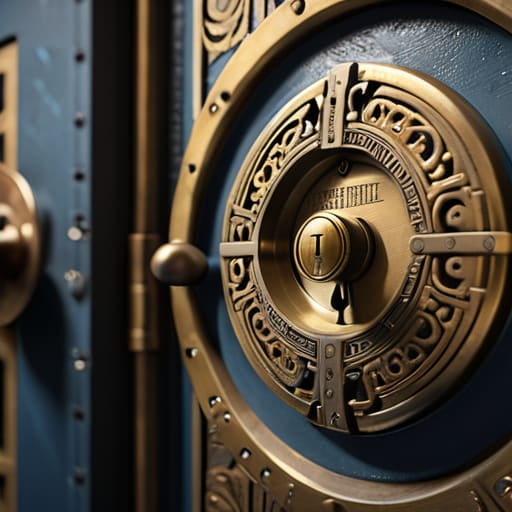
Think of your master password as the single physical key to a high-security filing cabinet. If you lose it, you’re locked out of everything; if someone steals it, they have the keys to your entire life. Because this is the one password you actually have to remember, it needs to be a beast. Forget “Password123” or your dog’s name. You need a long, complex passphrase—something that feels more like a sentence than a word. I personally use a string of four or five unrelated words that create a mental image only I can visualize. This is the cornerstone of digital vault security.
Once you’ve settled on a strong phrase, don’t just leave it sitting there. To truly sleep well at night, you must prioritize your two-factor authentication setup. Even the strongest master password can be compromised by a sophisticated phishing attempt, so adding that second layer of verification—ideally via an authenticator app rather than SMS—is non-negotiable. It’s a small bit of friction upfront that prevents a massive, soul-crushing headache down the line.
Password Generator Settings for High Security and Zero Effort

Once you’ve secured that master key, stop trying to invent your own complex patterns. We’ve all been there—trying to swap an ‘a’ for an ‘@’ and thinking we’re hackers, only to realize we’re still using the same predictable logic. Instead, lean on the built-in password generator settings within your vault. Most managers allow you to toggle length and character types. Set the default to at least 16 characters, including a mix of symbols, numbers, and uppercase letters. It sounds overkill, but once the software handles the heavy lifting, you’ll never have to stare at a blank login screen again.
The real goal here is maximizing your digital vault security without adding a single ounce of mental friction. I don’t care if the password looks like a cat walked across a keyboard; if the machine creates it, it’s secure. When you’re prompted to save a new credential, just hit “Generate” and let it run. It’s one of the most fundamental of the best password management practices because it removes human error from the equation entirely. You aren’t just making things harder for bad actors; you’re making life significantly easier for yourself.
Five Ways to Stop Fighting Your Own Security
- Audit your existing mess. Don’t try to fix everything in one afternoon; just start by changing your most critical accounts—email, banking, and primary social media—first. Let the rest of the clutter sit until you have the bandwidth to tackle it.
- Use the browser extension, not just the mobile app. The magic happens when the autofill works seamlessly while you’re navigating a website. If you’re manually copying and pasting from your phone to your laptop, you’re adding friction, and friction is what makes people abandon good systems.
- Enable Two-Factor Authentication (2FA) through the manager itself. Most high-end managers can store your TOTP codes, meaning you don’t need a separate app pinging your phone every time you log in. It keeps your security in one centralized, encrypted vault.
- Set up an Emergency Access contact. Life happens. If something happens to you, your family shouldn’t be locked out of your entire digital existence. Choose one trusted person and follow the manager’s protocol to grant them delayed access.
- Stop using “notes” for sensitive info. If you have a piece of information that isn’t a password—like a security question answer or a Wi-Fi code—create a dedicated “Secure Note” entry. It keeps your digital junk drawer organized and, more importantly, encrypted.
The Bottom Line: Three Ways to Stop Worrying About Your Logins
Pick one master password that is long, memorable to you, and completely different from anything else you use—this is the only thing you actually have to remember.
Set your generator to at least 16 characters with a mix of symbols; let the software do the heavy lifting so you don’t have to play “guess the special character” every time you log in.
Enable two-factor authentication (2FA) on your password manager itself; it’s the digital equivalent of a deadbolt on your vault, and it’s non-negotiable.
The Mental Bandwidth Trade-off
A password manager isn’t about adding another layer of digital complexity; it’s about offloading the cognitive tax of remembering nonsense so you can reclaim the mental space you need for things that actually matter.
Diane Sterling-Voss
The End of the Password Mental Load

At this point, you have the tools to stop the bleeding. You’ve picked a reliable manager, secured it with a master password that actually sticks, and configured your generator to do the heavy lifting. It isn’t about achieving some unattainable level of digital perfection; it’s about building a sustainable system that works even when you’re tired or distracted. By automating the most tedious part of your digital hygiene, you aren’t just securing your data—you are reclaiming the mental bandwidth that used to be wasted on the “forgot password” loop.
Transitioning to a manager might feel like one more thing on your to-do list today, but I promise you, the ROI is massive. Once the initial setup is out of the way, the friction simply disappears. My goal has always been to eliminate the unnecessary noise in our lives so we can focus on what actually matters. Don’t let a string of nonsensical characters be the thing that drains your energy. Set it up, let the software take over, and get back to the real work—or better yet, get back to enjoying your afternoon.
Frequently Asked Questions
What happens if I lose access to my master password or my phone's authenticator app?
This is the nightmare scenario everyone dreads, but it’s preventable. If you lose that master password without a recovery key, you’re essentially locked out of your own life. Period. To avoid this, print out your emergency recovery codes and tuck them into a physical safe or a secure file folder—not a digital note. If your phone dies, your authenticator app is gone too, unless you’ve enabled cloud backups or have those secondary recovery codes handy. Don’t wing it.
Is it actually safe to store all my sensitive data in one single place, or am I just creating one giant point of failure?
It’s the logical question to ask. You’re essentially building a single point of failure, and yes, that sounds terrifying. But here’s the reality: you’re already failing. You’re currently using “Password123” or variations of your dog’s name across ten different sites. That’s a much easier target for a hacker than a single, encrypted vault. Moving to a manager isn’t about creating one risk; it’s about trading a hundred small, messy vulnerabilities for one highly fortified door.
How do I handle shared accounts, like our family streaming services or shared utility logins, without compromising my own security?
Don’t mix your personal vault with the family Netflix login. It’s a recipe for chaos. Most password managers have a “Shared Vault” or “Collections” feature—use it. Create a separate folder for those shared utility and streaming credentials. This keeps your private bank logins isolated while allowing your partner or family to access the shared stuff without you having to play middleman every time someone forgets the Disney+ password. Keep the silos clean.