If you’ve ever spent your entire Sunday afternoon standing over a steaming pot, surrounded by twenty identical plastic containers and a mountain of unwashed dishes, you’ve been lied to. The internet loves to sell “batch cooking for beginners” as this aesthetic, Pinterest-perfect ritual of color-coded salads and perfectly portioned grains, but let’s be honest: that’s not meal prep, that’s a second job. I spent years in corporate operations trying to optimize every minute of my day, only to realize I was wasting my most precious resource—my evening downtime—on a culinary marathon that left me too exhausted to actually enjoy the food.
I’m not here to give you a lifestyle overhaul or a list of expensive glass canisters you don’t need. My goal is to provide a battle-tested system for batch cooking for beginners that actually fits into a messy, unpredictable week. We are going to focus on high-leverage moves—like prepping versatile proteins and modular components—that allow you to assemble a real meal in ten minutes on a Tuesday night. No fluff, no wasted hours, just functional efficiency designed to give you your time back.
Table of Contents
Weekly Meal Planning Strategies That Actually Stick
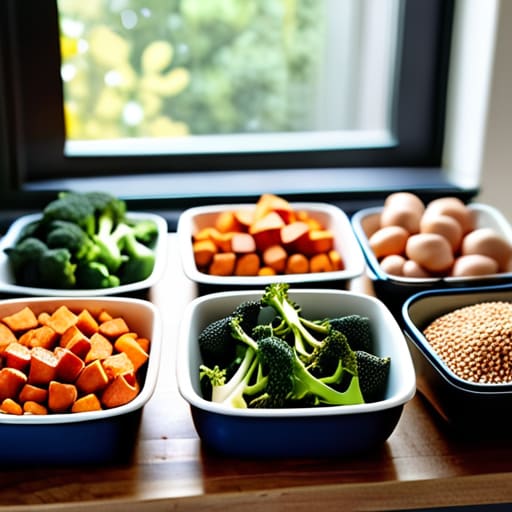
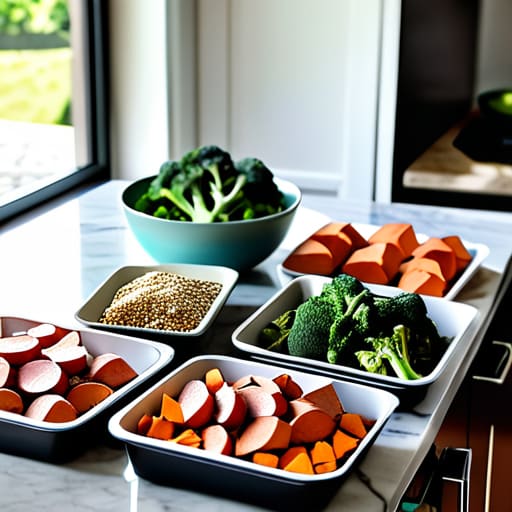
Most people fail at meal planning because they try to design a five-star menu for a week they know will be chaotic. If your plan requires you to chop, sauté, and deglaze for three hours on a Sunday, you’re going to abandon it by Wednesday. Instead, I use a “modular” approach. Rather than committing to specific recipes, I focus on budget friendly bulk cooking of versatile components: one grain, two proteins, and three roasted vegetables. This gives you the flexibility to pivot. If you’re feeling tired, it’s a bowl; if you have guests, it’s a structured plate.
The second rule is to stop treating your kitchen like a laboratory and start treating it like an assembly line. To make this sustainable, invest in decent meal prep containers for freezing that actually seal properly. There is nothing more frustrating than pulling a Tupperware out of the freezer only to find a watery, sad mess. If you prep in batches that can be portioned and frozen immediately, you aren’t just cooking for this week—you’re building a buffer for your future self when the Tuesday afternoon chaos inevitably hits.
Budget Friendly Bulk Cooking Without the Kitchen Chaos
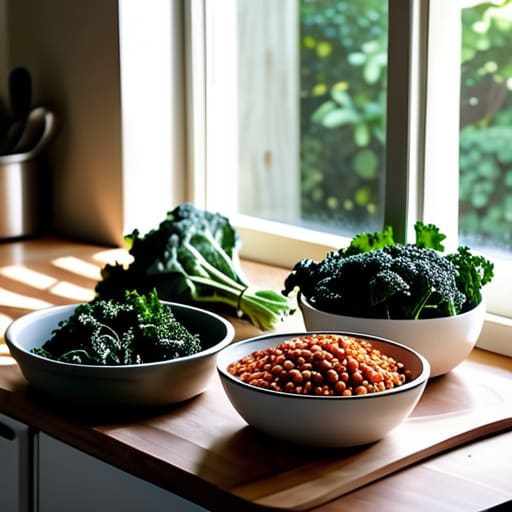
If you’re looking at a massive grocery list and a mountain of ingredients, stop. You don’t need a gourmet pantry to make this work; you just need a strategy for budget friendly bulk cooking that doesn’t involve buying thirty different specialty spices. Stick to the basics: grains, seasonal vegetables, and versatile proteins like beans, lentils, or chicken thighs. I’ve found that if I buy the large-format versions of these staples, the cost per meal drops significantly. The trick isn’t buying more; it’s buying smarter so you aren’t throwing half a head of wilted kale in the trash every Friday.
The real chaos usually happens during the cleanup, not the cooking. To keep your sanity, I rely on a few time saving kitchen hacks, like using one sheet pan for everything or cleaning as you go rather than waiting for the “grand finale.” Once the food is actually done, don’t just shove it into random Tupperware. Invest in a decent set of meal prep containers for freezing that actually seal properly. There is nothing more frustrating than opening a container on a Wednesday night only to find a soggy, unappetizing mess because the lid wasn’t airtight.
Five Rules to Keep Your Kitchen From Becoming a Second Job
- Stop trying to cook five different recipes at once. Pick one base protein—like roasted chicken or seasoned lentils—and one versatile grain. You can pivot the flavors later with different sauces, but the heavy lifting stays the same.
- Invest in actual glass containers, not cheap plastic. If you’re going to spend your Sunday prepping, you deserve to pull a meal out of the fridge that doesn’t taste like a Tupperware container. It also makes reheating much easier on your sanity.
- Embrace the “component method” instead of full meals. Don’t pre-assemble five identical bowls of pasta; you’ll hate them by Thursday. Instead, prep individual components like roasted veggies, a jar of dressing, and a cooked starch so you can assemble something fresh in three minutes.
- Clean as you go, or don’t bother starting. There is nothing that kills the momentum of a productive Sunday like facing a mountain of crusty pots and pans at 8:00 PM. If the sink is full, the system has failed.
- Leave a “buffer” night in your schedule. No matter how well you plan, a Tuesday afternoon will eventually go sideways. Always leave one night a week where you aren’t expected to eat your prep, whether that means takeout or just toast.
The Bottom Line for Your Tuesday Nights
Stop aiming for a perfect, five-course meal prep; just focus on prepping versatile components like a big batch of roasted vegetables or a single protein that can pivot from a bowl to a wrap.
If a system requires you to spend your entire Sunday scrubbing pans, it’s a bad system—scale back the complexity until the prep feels like a minor task rather than a second job.
Use your leftovers as a buffer, not a burden; cook with the intention of having “emergency meals” ready so you aren’t making expensive, high-friction decisions when you’re tired.
The Real Goal of Batch Cooking
“Batch cooking isn’t about spending your entire Sunday playing sous-chef in a flour-dusted kitchen; it’s about building a small inventory of reliable fuel so that when Tuesday hits and everything goes sideways, you aren’t staring at an empty fridge with zero mental bandwidth left to care.”
Diane Sterling-Voss
Cutting the Cord on Kitchen Chaos
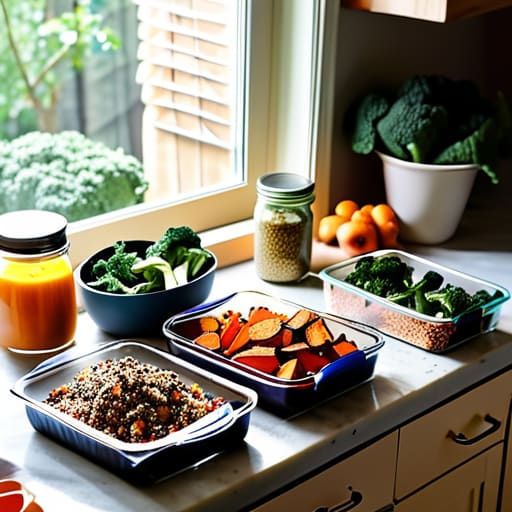
Look, we aren’t aiming for Michelin-star presentation or a pantry that looks like a staged photograph from a lifestyle magazine. The goal here is simple: we want to stop the 6:00 PM panic where you end up staring blankly into a fridge full of ingredients but zero actual meals. By keeping your planning realistic, sticking to a budget, and focusing on versatile staples rather than hyper-specific recipes, you’ve built a functional system that actually serves your life. You don’t need to master every technique overnight; you just need to stop making decisions when you’re already tired.
At the end of the day, batch cooking isn’t about becoming a domestic goddess or a culinary expert. It’s about reclaiming your mental bandwidth. Every time you reach into the fridge for a pre-prepped protein or a container of grains you cooked three days ago, you are buying yourself time. You are buying yourself the ability to sit down, breathe, and actually enjoy your evening instead of scrubbing pans and debating takeout options. Start small, keep it low-friction, and remember that the best system is the one you actually use when things get messy.
Frequently Asked Questions
How do I keep the food from tasting like it's been sitting in the fridge for five days?
The “fridge taste” is usually just a failure of moisture control or improper cooling. First, let your food reach room temperature before sealing it; trapping steam creates a soggy, mushy mess. Second, invest in decent glass containers—plastic holds onto odors like a sponge. Finally, treat your prepped meals like components, not finished plates. Keep your proteins and grains separate, then hit them with a fresh hit of acidity, citrus, or crunchy texture right before eating.
Is it worth the effort to prep everything at once, or should I just cook smaller batches more frequently?
Look, if you try to prep every single component for the week on Sunday, you’ll burn out by Wednesday. I don’t have the bandwidth for that kind of perfectionism. Instead, aim for a middle ground: prep your “friction points.” Roast a big tray of vegetables and cook a large batch of grains once. That way, you aren’t starting from scratch every night, but you still have the flexibility to pivot when life gets messy.
What are the best containers to invest in so I'm not wasting money on cheap plastic that stains and leaks?
Stop buying the cheap plastic sets. They’re a false economy; they stain with tomato sauce and leak in your bag within a month. If you want a system that actually lasts, invest in borosilicate glass with snap-lock lids. Brands like Glasslock or Pyrex are the gold standard. They don’t leach chemicals, they’re microwave-safe, and they won’t hold onto the scent of last week’s curry. It’s a higher upfront cost, but it ends the cycle of waste.