I am so tired of seeing “meal prep” influencers present these elaborate, three-hour Sunday rituals involving twenty identical glass containers and color-coded labels. It’s performative, it’s exhausting, and frankly, it’s a waste of a perfectly good afternoon. If you’re looking for a way to master how to use leftovers without turning your kitchen into a high-stakes laboratory, you’re in the right place. Most of the advice out there is too precious; it treats a bit of Tuesday night chicken like it’s a delicate science project rather than just fuel for a busy Wednesday.
I’m not here to give you a list of complicated recipes that require a grocery run just to salvage yesterday’s dinner. Instead, I’m going to share the practical, low-friction systems I’ve used to keep my own kitchen running efficiently while managing a freelance workload. We are going to focus on battle-tested frameworks—like the “base and accent” method—that allow you to repurpose food in minutes, not hours. My goal is to help you stop staring blankly into the fridge and start minimizing the mental load of your next meal.
Table of Contents
Smart Storing Leftovers Safely Without the Kitchen Chaos
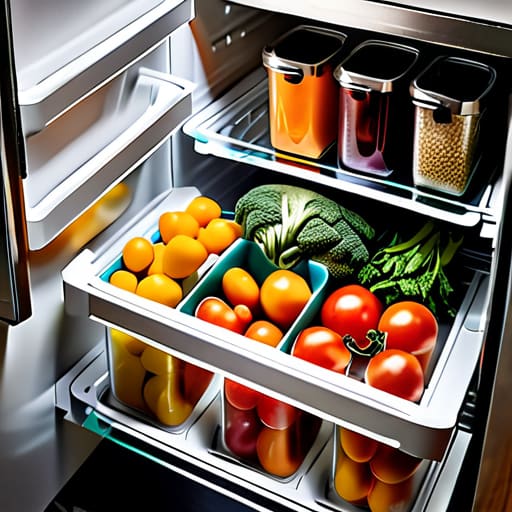
The biggest mistake I see is the “mystery container” approach—shoving random Tupperware into the back of the fridge and praying you remember what’s inside by Thursday. That’s not a system; it’s a recipe for a science experiment. To avoid the chaos, you need to treat your fridge like a high-functioning warehouse. Invest in a set of uniform, clear glass containers. If you can see the contents, you’re significantly more likely to actually eat them.
When it comes to storing leftovers safely, the golden rule is speed. Don’t let food sit on the counter for two hours while you finish a show; get it into the fridge within the hour. I also recommend labeling everything with a piece of masking tape and a Sharpie. It feels a bit overkill until you’re staring at a container of beige mush and can’t remember if it’s Thai curry or leftover risotto. This simple habit is one of my favorite food waste reduction tips because it removes the mental friction of decision-making. If you know exactly what it is and when it was made, you’ll use it.
Repurposing Cooked Proteins for Your Next Real Meal
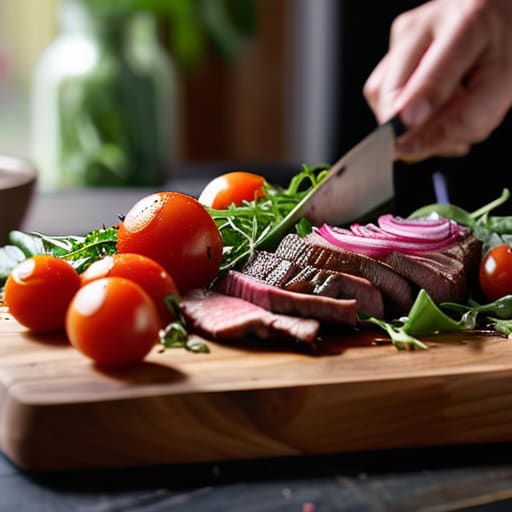
Proteins are the most expensive part of your grocery bill, so letting them sit in a Tupperware container until they become unidentifiable is a massive waste of both money and mental energy. Instead of viewing last night’s roasted chicken or steak as a “failed meal,” look at it as a pre-cooked component. When I’m deep into repurposing cooked proteins, I follow a simple rule: change the texture and the flavor profile entirely. If you have leftover steak, don’t reheat it in the microwave—that’s how you end up with grey, rubbery strips. Instead, slice it thin and toss it into a quick stir-fry or a cold steak salad.
The goal here is efficiency through minimal intervention. If you have plain shredded chicken, it’s essentially a blank canvas. Throw it into a pan with some black beans, lime, and cumin for a five-minute taco filling, or fold it into a quick pesto pasta. These aren’t elaborate recipes; they are leftover makeover ideas designed to get you fed without the heavy lifting of a full cooking session. By treating your fridge like a pantry of ready-to-use ingredients, you slash your decision fatigue during those frantic weekday evenings.
Five Low-Friction Rules for the Leftover Transition
- The “One-Base” Rule: Pick a versatile foundation like quinoa, rice, or greens and keep a large batch ready. When you have leftovers, you aren’t “making a meal”; you’re just adding a protein or a vegetable to that base. It removes the decision fatigue that usually kills the idea of eating leftovers.
- Don’t be a hero with reheating: If something is soggy, don’t just microwave it and hope for the best. A quick sear in a dry pan or a few minutes under the broiler can fix the texture and make it feel like a deliberate choice rather than a sad compromise.
- Use the “Component Method”: Stop thinking of leftovers as complete dishes. If you have leftover roasted carrots and half a bag of spinach, don’t try to make a “carrot salad.” Just toss them into an omelet or a wrap. Treat your fridge like a pantry of modular parts.
- The 48-Hour Audit: If it hasn’t been eaten within two days, it’s no longer a “meal solution”—it’s clutter. Either commit to eating it for lunch tomorrow or move it to the freezer immediately. Keeping a “use by” mindset prevents that mid-week realization that your fridge is just a graveyard for expensive ingredients.
- Sauce is your leverage: Most leftovers feel boring because they lack moisture or acidity. Keep a few high-quality, low-effort items on hand—a jar of pesto, a good chili crunch, or a decent balsamic glaze. A splash of something bright can turn a dry piece of chicken into something actually palatable.
The Bottom Line for Your Next Meal
Stop treating leftovers like a chore; view them as pre-prepped ingredients that just need a new context to feel like a real meal.
Invest in a few high-quality, uniform glass containers so you aren’t playing Tetris with mismatched plastic tubs in your fridge.
If a leftover component doesn’t work in a new dish within 48 hours, stop trying to save it and just toss it—your mental bandwidth is worth more than a wilted piece of broccoli.
The Philosophy of the Second Meal
“Leftovers shouldn’t feel like a chore or a compromise; they should be treated as pre-prepped components for your next meal. If you view them as ‘scraps,’ you’ll waste them. If you view them as a head start, you’ve already won half the battle of a busy week.”
Diane Sterling-Voss
The Bottom Line
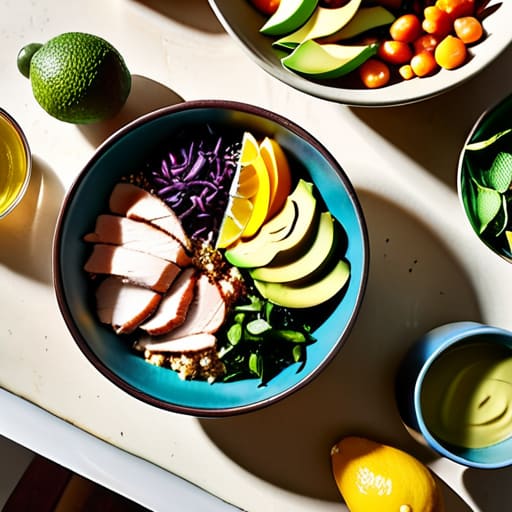
At the end of the day, managing leftovers isn’t about achieving culinary perfection or following a complex recipe book. It’s about the mechanics of it: storing your proteins correctly to prevent waste and knowing that a piece of roasted chicken can become a grain bowl in under five minutes. If you follow these basic systems—safe storage, smart repurposing, and a refusal to overcomplicate the process—you stop treating your fridge like a graveyard for forgotten meals. You turn it into a functional inventory that works for you, rather than a source of daily decision fatigue. It’s about reducing friction so you aren’t staring blankly at the pantry at 6:00 PM on a Tuesday.
My goal isn’t to turn you into a master chef; it’s to help you reclaim your time. We spend far too much mental energy worrying about what we’re going to eat next, when the solution is often sitting right there in a Tupperware container. Stop striving for the “perfect” meal every single night and start embracing the efficiency of the pivot. Once you master these small, repeatable systems, you’ll find you have more bandwidth for the things that actually matter—whether that’s finally finishing that project or just sitting down to relax. Keep it simple, keep it practical, and let the system do the heavy lifting.
Frequently Asked Questions
How do I know if something is actually still safe to eat, or if I'm just being overly cautious?
Look, I’m all for efficiency, but food poisoning is the ultimate productivity killer. If you’re staring at a container wondering if it’s gone bad, trust your senses over your desire to save five bucks. If it smells off, looks slimy, or the texture feels “fuzzy,” toss it. Period. When in doubt, the rule is simple: if you have to ask, it’s already too late. Don’t gamble with your afternoon.
Is there a way to reheat these things so they don't end up tasting like rubber or cardboard?
The “microwave-only” method is exactly how you end up with sad, rubbery chicken. If you have five extra minutes, use a skillet. A splash of water or broth, a lid to trap steam, and medium-low heat will revive almost anything without turning it into leather. If you’re stuck using the microwave, lower the power setting to 50% and cover the dish with a damp paper towel. It’s not fancy, but it works.
How can I prep these leftovers so they don't feel like "sad desk lunches" every single day?
The “sad desk lunch” feeling usually comes from eating the exact same texture and temperature twice. To avoid that, change the delivery method. If you had roasted chicken with potatoes last night, don’t just reheat it in a microwave; shred the chicken and toss it into a quick wrap or a cold salad with a sharp vinaigrette today. Adding a fresh, crunchy element—like sliced radish or even just some toasted seeds—breaks the monotony.