I was staring at a bag of slimy, liquefied spinach in my crisper drawer last Tuesday, and I felt that familiar, sharp sting of annoyance. It wasn’t just the wasted money; it was the wasted mental energy spent deciding to buy it in the first place. Most “experts” will tell you that you need a color-coded pantry system or a dedicated composting bin to master how to reduce food waste, but let’s be honest: that’s just more work added to an already overflowing plate. I don’t have time for a lifestyle overhaul that requires a PhD in organization just to keep a head of lettuce alive for more than four days.
I’m not here to sell you on a complicated, aesthetic pantry makeover that looks great on social media but fails by Wednesday. Instead, I want to share the low-friction systems I’ve actually used to stop throwing my hard-earned money in the trash. We are going to focus on a few battle-tested adjustments to your shopping and storage habits—the kind that actually work when you’re tired, busy, and just trying to get through the week. No fluff, no extra chores, just practical ways to make your kitchen run more efficiently.
Table of Contents
Low Effort Meal Planning for Beginners
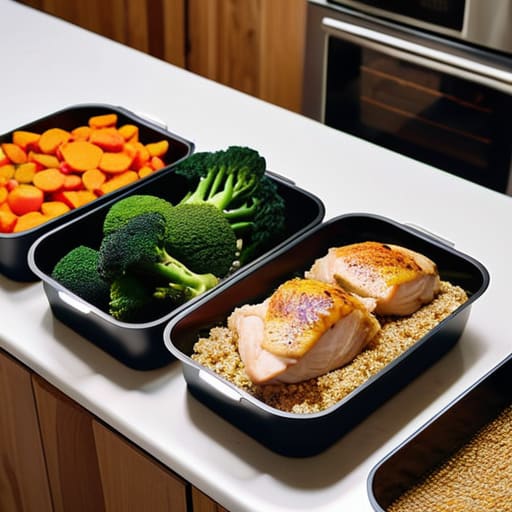
Most people fail at meal planning because they try to plan every single calorie for the next seven days. That is a recipe for burnout and a fridge full of wilted spinach by Wednesday. If you want to actually succeed with meal planning for beginners, you need to stop aiming for perfection and start aiming for a framework. Instead of a rigid menu, try the “component method.” Pick two proteins, one heavy grain, and three versatile vegetables. That’s it. You aren’t cooking elaborate recipes; you’re just prepping building blocks that can be tossed into a bowl or a wrap depending on how much energy you have left after work.
The goal here is to build sustainable kitchen habits that don’t feel like a second job. I keep a running list on my phone of the “emergency meals” I can whip up in ten minutes—think pesto pasta or canned chickpeas and greens. Knowing you have a fallback prevents that frantic, expensive impulse trip to the grocery store when you’re too tired to think. If you can master this basic level of foresight, you’ll notice your grocery bills start to drop almost immediately.
Smart Food Storage Techniques That Actually Work
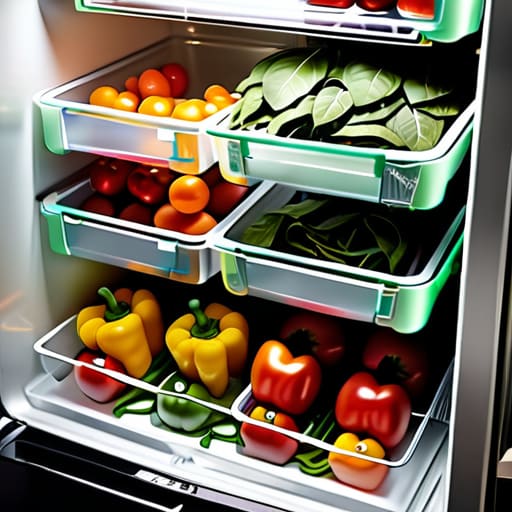
Most people treat their refrigerator like a black hole where leftovers go to die. If you want to actually see what you have, you need to stop shoving everything into the crisper drawer and hoping for the best. I’ve found that the most effective food storage techniques are actually the simplest: glass containers and visibility. If I can’t see the spinach, I’m going to forget it exists until it turns into a bag of green slime. Invest in a few clear, airtight glass containers. They stack better, they don’t retain smells, and more importantly, they keep your food from becoming a mystery.
Another thing we need to address is the psychological trap of understanding expiration dates. Most of those labels are about quality, not safety. If you treat every “best by” date like a hard deadline, you’re going to end up throwing perfectly good food in the bin. Instead, use your senses. If it looks fine and smells fine, it’s usually fine. This one shift in mindset is one of the fastest ways to start reducing grocery bills without feeling like you’re eating scraps.
Five No-Nonsense Rules for a Leaner Fridge
- Audit before you shop. Don’t trust your memory; look at your actual inventory. If you have half a jar of pesto and three limp carrots in the crisper, don’t buy more until you’ve actually used them.
- Shop with a “buffer” mindset. If you aren’t 100% sure you’ll cook that exotic kale salad by Thursday, don’t put it in the cart. Stick to the staples that you know will actually make it to the plate.
- Use your freezer as a safety net. Almost anything can be frozen—half-empty bags of spinach, leftover sauce, or even bread. If you realize you aren’t going to eat something in the next 48 hours, move it to the freezer immediately.
- Stop treating “Best By” dates like expiration laws. Most of the time, those dates are just manufacturer suggestions for peak quality. Use your senses: if it looks, smells, and tastes fine, it’s fine. Don’t toss perfectly good food just because a printed label told you to.
- Designate a “Use Me First” bin. Clear a small space in your fridge for the items that are nearing their end. When you’re staring at the fridge at 6:00 PM, that bin is your starting point for deciding what’s for dinner.
The Bottom Line
Stop overcomplicating your meal prep; if a plan feels like a second job, you won’t stick to it, so aim for “good enough” instead of perfection.
Treat your fridge like a real-time inventory—if it’s getting soft or nearing its date, move it to the front of the shelf or toss it before it becomes a science project.
Buy only what you have a specific, immediate use for, because a “great deal” on bulk produce is actually a loss if half of it ends up in the compost bin.
The Real Cost of Perfectionism
Stop trying to build a Pinterest-perfect meal plan that collapses the moment your Tuesday gets chaotic. Food waste isn’t a failure of character; it’s usually just a failure of an over-engineered system. If your plan is too complex to follow on a bad day, it’s not a plan—it’s a chore.
Diane Sterling-Voss
The Bottom Line
Look, we aren’t aiming for a zero-waste lifestyle that requires a degree in environmental science and four hours of prep every Sunday. That’s a recipe for burnout, not efficiency. We’ve covered the basics: stop overbuying at the grocery store, stick to a handful of predictable meals, and actually use those storage containers instead of letting produce rot in the crisper drawer. If you can just implement two of these systems—maybe it’s just a smarter shopping list and a better way to store your greens—you’ve already won half the battle. The goal isn’t perfection; it’s about reducing the friction between your intentions and your actual habits.
At the end of the day, food waste is just a leak in your budget and your mental bandwidth. Every time you toss a bag of wilted spinach, you’re losing both. My philosophy has always been that a good system should serve you, not the other way around. Don’t let the complexity of “sustainability” intimidate you into doing nothing. Just start small, keep it functional, and focus on what works in the messy reality of your actual week. You’ll save money, you’ll save time, and more importantly, you’ll stop feeling that low-level guilt every time you clean out the fridge.
Frequently Asked Questions
How do I handle leftovers without them just becoming another science experiment in the back of the fridge?
The “science experiment” happens because we treat leftovers like a secondary thought. Stop the cycle: pick one designated “Leftover Night” a week where you eat whatever is lingering. If it’s not going to be eaten by tomorrow, portion it into individual containers immediately. Don’t leave it in the giant pot; it takes up too much space and loses its appeal. If it’s reaching its expiration, freeze it. If you can’t see it, you won’t eat it.
Is it actually worth buying those expensive airtight containers, or can I just use what I already have?
Look, if you’re waiting for a $200 set of matching glass containers to magically fix your kitchen habits, you’re wasting your money. Aesthetic doesn’t equal efficiency. Use what you have—glass jars, old Tupperware, even heavy-duty silicone bags. The goal is a seal that prevents oxidation, not a curated Instagram shelf. If your current containers keep things fresh for more than a few days, they’re doing their job. Don’t add a new expense to solve a behavior problem.
What do I do with the produce that's already starting to turn but isn't quite "rotten" yet?
Don’t panic and don’t throw it out. This is where most people fail by letting “guilt” dictate their trash bin. If it’s soft but not fuzzy, it’s perfect for a soup, a smoothie, or a sheet-pan roast. If it’s getting too far gone for a meal, chop it up and freeze it in a bag for future stocks or sauces. The goal isn’t perfection; it’s just making sure that produce doesn’t go to waste.