I’ve spent most of my career optimizing workflows for corporations, but nothing tests my systems quite like the 5:00 PM slump. We’ve all been there: you’re staring into a fridge that contains half a jar of pesto and some wilted spinach, wondering how you’re going to feed yourself without ordering expensive, salty takeout. The internet is flooded with “lifestyle” cooking content that requires a degree in chemistry and three hours of prep, but that isn’t real life. I’m looking for easy vegetarian recipes that actually respect my time and my mental bandwidth. If a meal requires a specialized gadget I don’t own or a grocery run to a boutique market, it’s officially not part of my system.
In this post, I’m cutting through the noise to give you five specific, battle-tested meals. These aren’t just ideas; they are high-efficiency solutions designed for the messy reality of a busy week. I’ll show you how to build satisfying, protein-rich dinners using basic pantry staples and minimal cleanup. By the end of this list, you’ll have a repeatable framework for eating well without the decision fatigue. Let’s get to work.
Table of Contents
The One-Pan Chickpea Scramble
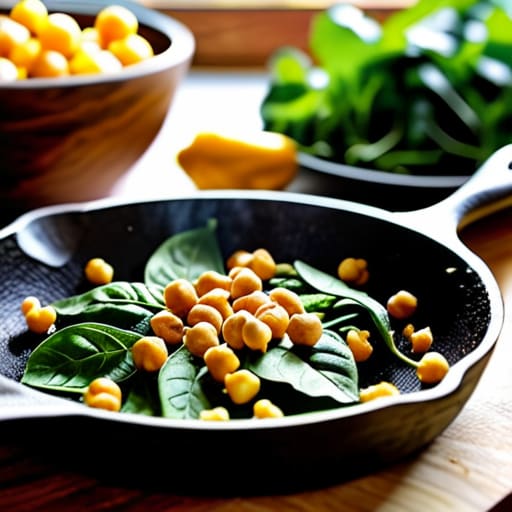
When my brain is too fried from managing client workflows to even think about a grocery list, I lean on the pantry staples. A can of chickpeas, some turmeric, and a handful of spinach can be turned into a high-protein scramble in about eight minutes. You don’t need a fancy knife set or a culinary degree; just smash the chickpeas slightly with a fork to give them a better texture and toss them into a hot pan with whatever spices you have on hand.
Sheet Pan Gnocchi and Roasted Veggies
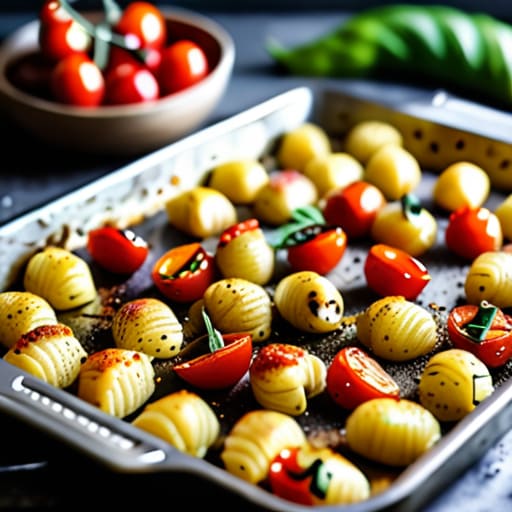
Most people think you have to boil water for pasta, which is just an extra step I don’t have the patience for on a busy weeknight. If you buy the shelf-stable or refrigerated potato gnocchi, you can actually toss them straight onto a baking sheet with cherry tomatoes, bell peppers, and zucchini. The oven does all the heavy lifting, and the gnocchi gets this perfectly crispy exterior that makes the whole meal feel more intentional than it actually was.
Black Bean and Lime Quesadillas
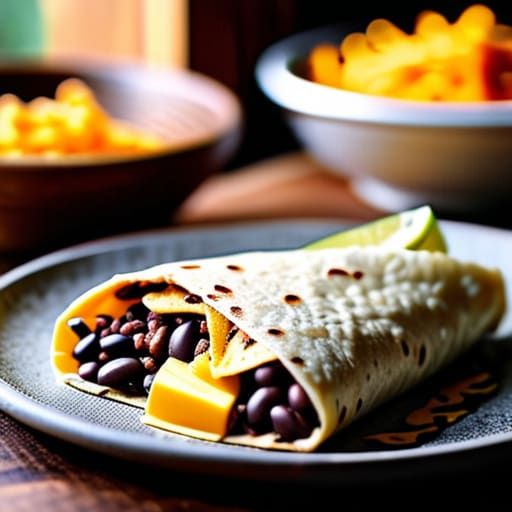
This is my go-to when I realize I haven’t been to the grocery store in four days and the fridge is looking bleak. Black beans are the ultimate survival food—cheap, shelf-stable, and incredibly versatile. I just rinse a can, mash them slightly with some cumin, and spread them over a tortilla with a generous amount of cheese. It takes less time to make this than it does to scroll through a delivery app looking for something that won’t break the bank.
Red Lentil Dahl
I’ve learned that “batch cooking” is often a trap that leads to food waste, but a pot of red lentil dahl is the exception to the rule. Unlike other legumes, red lentils break down quickly into a creamy consistency without needing any specialized equipment. You just simmer them with coconut milk, vegetable broth, and a bit of curry powder until they soften. It’s a set-it-and-forget-it kind of meal that actually tastes better the next day.
Pesto Pasta with Frozen Peas
There is a certain level of pragmatism required to embrace frozen vegetables, and I am its biggest advocate. Frozen peas are a nutritional powerhouse that requires zero chopping, making them the perfect partner for a quick pasta dish. While your noodles are boiling, you can just throw a handful of peas into the same pot during the last two minutes of cooking. It’s a seamless integration of nutrition into an existing process.
The Bottom Line
Stop aiming for culinary perfection; if a meal is nutritious and takes under twenty minutes to assemble, it’s a win.
Build a “pantry baseline” of versatile staples like canned beans and grains so you aren’t starting from zero when your energy is low.
Use these recipes as frameworks rather than strict rules—the goal is to reduce decision fatigue, not to create more work for yourself.
The Reality of the Kitchen
“A recipe isn’t a success if it leaves you too exhausted to enjoy the meal. I don’t care about culinary gymnastics; I care about systems that get nutritious food on the table with as little mental friction as possible.”
Diane Sterling-Voss
The Bottom Line
At the end of the day, these recipes aren’t about achieving culinary perfection or following some elaborate wellness trend. They are about reducing decision fatigue. Whether you’re leaning on a quick chickpea pasta or a simple black bean taco, the goal is to get something nutritious on the table without turning your kitchen into a disaster zone. We’ve focused on high-impact, low-effort ingredients because that’s what actually survives a busy work week. If you can master these five basics, you’ve effectively built a reliable foundation that prevents the dreaded “what’s for dinner” panic when you’re already running on empty.
Don’t feel pressured to execute these perfectly on your first try. Systems are meant to be iterated upon, not worshipped. If you decide to swap the spinach for kale or skip the spices because you’re too tired to chop them, that’s fine. The objective is to fuel your body so you have the mental bandwidth to focus on the things that actually move the needle in your life. Stop overcomplicating your plate and just start eating something decent. You’ll find that once the meal prep friction is gone, you actually have the energy to enjoy your evening instead of just surviving it.
Frequently Asked Questions
How do I make sure I'm actually getting enough protein without spending an hour measuring out lentils and tofu every night?
Stop overthinking the math. If you’re weighing every gram of tofu, you’re wasting mental bandwidth you don’t have. Instead, use the “hand rule”: aim for a portion of protein roughly the size of your palm at every meal. Keep “low-friction” staples on hand—hemp seeds, Greek yogurt, or canned chickpeas—that you can toss into things without a scale. It’s not about precision; it’s about consistent, good-enough coverage.
What are the best pantry staples I should keep on hand so I'm not running to the grocery store every time I want to cook one of these?
To avoid those mid-week grocery runs, you need a baseline of non-perishables that actually work together. I keep a rotation of dried lentils, canned chickpeas, and quinoa—they’re the backbone of almost everything I cook. Add some high-quality olive oil, soy sauce, and a decent jar of nutritional yeast or bouillon for depth. If you have these basics and a few dried spices, you can always pull a decent meal out of thin air.
How can I prep these meals ahead of time without them turning into a soggy, unappealing mess by Thursday?
The secret isn’t prepping the whole dish; it’s component prepping. Don’t mix your greens with your dressing or your grains with your sauce on Sunday. Keep your proteins, grains, and veggies in separate airtight containers. Only combine them when you’re actually sitting down to eat. If you must prep a salad, keep the heavy stuff at the bottom and the delicate leaves at the top. Keep it modular, and you’ll avoid the dreaded mush.