
I’m tired of seeing those “budget meal prep” videos where someone spends six hours on a Sunday assembling thirty identical, plastic-wrapped containers of steamed broccoli and dry chicken. That isn’t a system; it’s a second job, and frankly, it’s a recipe for burnout. If you’re looking for a way to master how to lower food costs without turning your kitchen into a high-stress assembly line, you’re in the right place. Most “saving” advice is just more work disguised as a solution, and I have zero interest in adding more friction to your Tuesday afternoon.
I’m not here to sell you on a lifestyle overhaul or a complicated spreadsheet that requires a degree in data science to maintain. Instead, I’m going to share the battle-tested systems I’ve used to strip the waste out of my own grocery spend while actually eating decent food. We’re going to focus on high-impact, low-effort shifts—the kind of practical tweaks that actually stick when life gets messy. No fluff, no wasted motion, just straightforward ways to keep your pantry full and your bank account intact.
Table of Contents
Smart Grocery Store Strategies That Actually Work

First, stop treating the grocery store like a scavenger hunt. If you walk in without a plan, you’ve already lost. I’ve found that the most effective way to handle grocery shopping on a budget is to shop the perimeter and ignore the middle aisles where the high-margin, processed junk lives. Stick to the produce, proteins, and dairy. It feels restrictive at first, but once you realize how much money you’re saving by skipping the “convenience” traps, you won’t go back.
Another mistake I see people make is overcomplicating their list. You don’t need a gourmet recipe for every night; you need a system. Focus on building a foundation of affordable pantry staples—think dried lentils, rice, oats, and canned tomatoes. These are your safety nets. When you combine these with a basic approach to meal planning for savings, you stop panic-buying expensive takeout because “there’s nothing in the house.” It’s not about deprivation; it’s about intentionality. If it isn’t on the list, it doesn’t go in the cart. Period.
Meal Planning for Savings Without the Sunday Stress
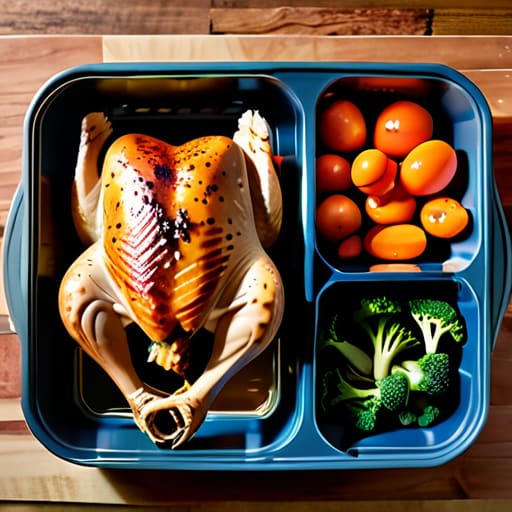
Most people approach meal planning like they’re preparing for a five-course gala, and that is exactly why they quit by week two. If your plan requires three hours of chopping and a specialized ingredient you can only find in a boutique shop, you aren’t planning; you’re performing. I prefer a “modular” approach. Instead of rigid recipes, I focus on meal planning for savings by selecting a few versatile proteins and a handful of vegetables that can be repurposed. Think: roasted chicken on Monday, chicken tacos on Tuesday, and chicken salad on Wednesday. It’s not glamorous, but it eliminates the “what’s for dinner” panic that usually leads to expensive takeout orders.
The goal is to build a foundation of affordable pantry staples—beans, rice, pasta, and canned tomatoes—that act as your safety net. When you have these on hand, you aren’t just reducing food waste; you’re ensuring that a random Tuesday afternoon doesn’t result in a $60 DoorDash bill because your fridge looks empty. Keep your weekly list tight, stick to what you know, and stop trying to reinvent the wheel every Sunday night.
The Low-Friction Tactics for Keeping Your Grocery Budget in Check
- Audit your pantry before you leave the house. I’ve seen too many people buy a second jar of cumin when they already had one hiding in the back of the cupboard. If you aren’t checking what you already own, you’re just paying to store clutter.
- Embrace the frozen aisle. Fresh produce is great, but it’s also a gamble; if it goes bad before you use it, that’s literally money in the trash. Frozen vegetables are flash-frozen at peak ripeness, they last months, and they cost a fraction of the price.
- Stop buying pre-cut or pre-washed. You are paying a massive premium for someone else to use a knife. Buy the whole head of lettuce and the block of cheese. It takes five minutes of your time, but it saves you several dollars every single trip.
- Master the “Base Ingredient” method. Instead of buying specialized ingredients for one-off recipes, pick versatile staples—like rice, lentils, or chicken thighs—and learn three different ways to season them. It reduces decision fatigue and prevents mid-week impulse buys.
- Stick to the perimeter. The middle aisles are where the high-margin, highly processed, and overpriced snacks live. If you focus your shopping on the outer edges—produce, proteins, and dairy—you’ll naturally spend less and eat better.
The Bottom Line

Stop treating grocery shopping like an exploration; go in with a list, stick to the perimeter, and get out before you start impulse-buying things you’ll never actually cook.
Focus on high-utility staples—beans, grains, frozen veggies—that can be repurposed across multiple meals rather than buying niche ingredients for a single recipe.
If a “sale” requires you to buy more than you can realistically use before it spoils, it isn’t a saving; it’s just expensive trash.
The Real Cost of Convenience
“We tend to treat grocery shopping like an impulse buy, but it’s actually a logistics problem. If you stop trying to find the perfect recipe and start focusing on the most efficient way to move staples from the shelf to your pantry, the savings happen as a byproduct, not a chore.”
Diane Sterling-Voss
The Bottom Line
At the end of the day, lowering your food costs isn’t about a radical lifestyle overhaul or spending your entire Saturday scouring clearance aisles. It’s about the small, repeatable systems we’ve discussed: walking into the store with a plan, sticking to the staples, and refusing to let impulse buys dictate your budget. If you can master the art of the intentional grocery run and stop treating your pantry like a revolving door of random ingredients, you’ve already won half the battle. It’s not about being perfect; it’s about being deliberate enough to stop leaking money on things you don’t actually need.
Don’t feel like you have to implement every single one of these shifts by tomorrow morning. Start with one thing—maybe it’s just committing to a basic meal plan for three days a week—and see how much mental space that clears up. The goal here isn’t just to see a lower number on your bank statement; it’s to reduce the decision fatigue that comes with the daily “what’s for dinner” scramble. Once you automate the boring parts of eating, you’ll find you have a lot more energy left over for the things that actually make life worth living. Just keep it simple.
Frequently Asked Questions
How do I stop food waste from eating my budget if I'm already trying to plan meals?
The problem isn’t your plan; it’s your inventory management. I treat my fridge like a warehouse. Stop “shopping” when you already have assets. Before you hit the store, do a quick audit of what’s nearing its expiration date and build your next two meals around those specific items. Also, stop buying produce in bulk just because it’s a “deal.” If half of it ends up in the compost, you didn’t save money—you just paid for trash.
Is it actually cheaper to buy in bulk, or am I just spending more upfront for stuff I won't use?
It depends entirely on your consumption rate and your discipline. Buying a five-pound bag of lentils is a win because they’re shelf-stable and you’ll actually eat them. Buying a massive jar of specialty sauce just because it’s “on sale” is a trap—it’s just expensive clutter if it sits in your pantry for six months. Only buy in bulk for non-perishables you use weekly. Otherwise, you aren’t saving money; you’re just pre-paying for waste.
How can I keep my grocery bill down when meat and fresh produce prices keep fluctuating?
Stop chasing the “sale” on specific proteins; that’s how you end up with three pounds of chicken you didn’t want. Instead, build your meals around a base of versatile, low-cost staples like lentils, eggs, or frozen vegetables. If meat is spiking, swap it for a canned bean or a hearty grain for a few nights. It’s about flexibility, not rigid recipes. Treat your pantry like a buffer against market volatility.