I used to think that mastering how to make a grocery budget required a color-coded spreadsheet and a PhD in nutritional science, but I was wrong. I spent years in corporate operations learning that complexity is usually just a mask for inefficiency, and the same applies to your kitchen. I’ve seen people spend three hours every Sunday meal-prepping gourmet organic bowls only to realize they’ve blown their entire weekly limit on specialty spices and artisanal sourdough. It’s exhausting, it’s unnecessary, and frankly, it’s a waste of the mental bandwidth you need for actual living.
I’m not here to sell you on a lifestyle overhaul or a complicated app that requires twenty minutes of data entry every time you buy a carton of eggs. Instead, I’m going to show you a battle-tested system that actually works when you’re tired, hungry, and standing in the middle of a crowded aisle on a Tuesday night. We are going to strip away the fluff and focus on a few high-impact, low-effort habits that will keep your finances steady without turning your life into a second job.
Table of Contents
Mastering Monthly Food Expense Tracking Without the Spreadsheet Headache

Look, I’ve seen enough people drown in color-coded cells and complex formulas to know that if a system feels like a second job, you’re going to abandon it by week three. You don’t need a granular, line-item audit of every single head of lettuce. Instead, I rely on a high-level approach to monthly food expense tracking that actually sticks. I simply check my banking app once a week, sum up the total spent at supermarkets, and compare it to my target number. If I’m trending high by the 15th, I know I need to tighten the belt for the next ten days.
The real magic happens when you stop treating every grocery trip like a scavenger hunt. I’ve found that effective meal planning for savings isn’t about following a rigid, expensive recipe blog; it’s about looking at what’s already in my pantry and building around it. When you shop with a specific intention, you naturally stop impulse-buying those “maybe I’ll cook this” ingredients that eventually just die in the crisper drawer. It’s about reducing friction, not adding more chores to your Tuesday.
Smart Grocery Shopping Tips for the Tuesday Afternoon Rush
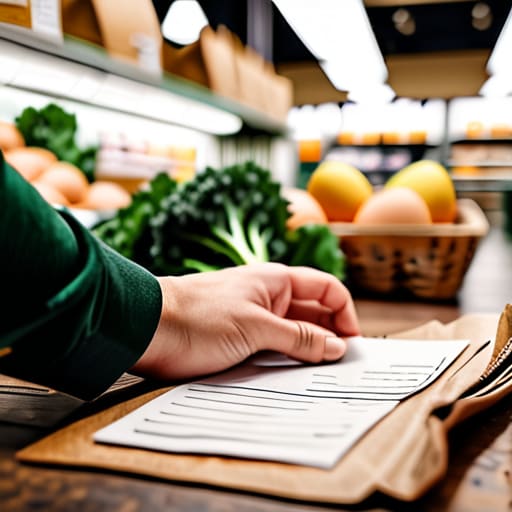
Most people treat the grocery store like a scavenger hunt, wandering the aisles hoping something looks good. That’s how you end up with a cart full of impulse buys and a fridge full of wilted spinach three days later. If you’re hitting the store during the Tuesday afternoon rush, you don’t have the luxury of aimless browsing. The secret isn’t a complex strategy; it’s strict grocery list organization. Before you even leave the house, know exactly what you need for the next few days. If it’s not on the list, it doesn’t go in the cart. Period.
Efficiency also means being intentional about what you actually consume. I’ve found that reducing food waste is the fastest way to keep your spending under control without feeling deprived. Instead of buying massive bulk packs of everything, buy what you need for your immediate meals. This approach to meal planning for savings ensures you aren’t throwing money directly into the trash bin every Sunday night. Keep it simple, stick to your list, and get out of there.
Five Low-Friction Tactics to Keep Your Food Spend in Check
- Shop your pantry before you hit the store. I’ve spent way too many Tuesdays buying a second jar of cumin because I didn’t bother checking the back of the spice cabinet. If it’s already in your cupboard, it shouldn’t be in your cart.
- Stick to a “Base Component” meal plan. Don’t try to cook five brand-new, complex recipes every week. Pick three reliable staples—like a roasted chicken, a hearty grain bowl, or a simple pasta—and build around them. It cuts decision fatigue and keeps the impulse buys low.
- Use the “Unit Price” rule, not the “Sale” trap. A massive box of crackers might look like a steal, but if the price per ounce is higher than the smaller one, you’re just paying for extra packaging and clutter. Look at the small print on the shelf tag; that’s where the truth lives.
- Build in a “Buffer Fund.” Life happens. You’ll run out of coffee, or a friend will drop by unexpectedly. If you budget exactly $150 and your limit is $150, you’ll feel like a failure the moment you need a gallon of milk on a whim. Budget $135 and leave $15 for the inevitable.
- Never shop while hungry or stressed. It sounds like a cliché, but it’s pure logistics. When I’m running on fumes after a long day of consulting, I grab everything that looks easy and expensive. If you can’t make it to the store until 6:00 PM, eat a handful of almonds first. It keeps your brain in the driver’s seat.
The Bottom Line
Stop aiming for perfection; a rough estimate that you actually stick to is infinitely better than a precise budget that you abandon by Wednesday.
Build your list around what you already have in the pantry to avoid the “duplicate purchase” trap that eats your margins.
Treat your grocery budget as a fixed system, not a suggestion, by setting a hard limit before you even step foot in the store.
The Reality of the Budget
A grocery budget isn’t about deprivation or counting every single cent; it’s about creating enough structure so that you aren’t standing in the middle of the aisle on a Tuesday night wondering where your paycheck went.
Diane Sterling-Voss
The Bottom Line
At the end of the day, budgeting for food isn’t about achieving some impossible level of culinary perfection or living on lentils and tap water. It’s about the systems we discussed: tracking your actual spending without letting a spreadsheet ruin your evening, and walking into the store with a clear, actionable plan rather than a vague sense of hope. If you can master the basic rhythm of checking your bank app before you hit the aisles and sticking to a simplified list, you’ve already won half the battle. The goal isn’t to be perfect; it’s to eliminate the decision fatigue that usually leads to those expensive, last-minute takeout orders when you’re too tired to think.
I know it feels like just another chore on an already overflowing plate, but I promise you that the mental bandwidth you reclaim is worth the initial effort. When you stop wondering where your money went every time you check your balance, you create space for the things that actually matter—whether that’s a hobby, your family, or just a quiet moment of peace. Stop aiming for a flawless financial overhaul and just start with one small, repeatable habit this week. Once the friction is gone, the system starts to run itself, and that is where the real freedom lies.
Frequently Asked Questions
What do I do when an unexpected spike in inflation or a sudden sale ruins my planned budget for the week?
Look, life happens. When prices spike or a massive sale throws your plan out the window, don’t panic and don’t abandon the system. If it’s inflation, pivot to your “pantry staples” list—lean on the beans and rice you already have. If it’s a sale, buy the non-perishables you know you’ll use later. The goal isn’t perfection; it’s redirection. Adjust the current week’s variable spending to absorb the shock, then reset on Monday.
How much of my grocery budget should actually be set aside for "emergency" pantry staples versus fresh ingredients?
Think of it as a 70/30 split. Allocate 70% of your budget to the “now”—the fresh produce, proteins, and dairy that keep you fed this week. Keep the remaining 30% for the “just in case” staples: grains, canned goods, and oils. This isn’t about hoarding; it’s about building a buffer. If a Tuesday afternoon turns into a chaotic mess and you can’t make it to the store, those pantry basics ensure you aren’t eating takeout.
Is it better to shop weekly to stay on budget, or does bulk buying once a month actually save more money in the long run?
The honest answer? It’s a trade-off between cash flow and waste. Bulk buying wins on unit price, but only if you actually use what you buy. If you stock up on a massive bag of kale only to watch it rot, you haven’t saved money; you’ve just pre-paid for trash. I prefer a hybrid: buy your non-perishables and staples in bulk once a month, but shop weekly for fresh produce. It keeps the budget predictable without the waste.