I’m going to say something that might offend the “lifestyle influencers” currently clogging your feed: most of the advice you see on how to cook on a budget is absolute nonsense. They want you to believe that saving money requires spending four hours every Sunday afternoon meticulously portioning organic kale into tiny, aesthetic glass containers. That isn’t a system; it’s a second job. I spent fifteen years in corporate operations, and if there is one thing I learned, it’s that if a process is too complicated to maintain on a chaotic Tuesday, it’s a broken process.
I’m not here to sell you on a Pinterest-worthy fantasy that requires a PhD in meal prepping. Instead, I want to give you a few battle-tested, low-friction strategies that actually work when you’re tired and the fridge is looking empty. We are going to focus on eliminating decision fatigue and leveraging bulk staples so you can eat well without the mental overhead. This isn’t about deprivation; it’s about building a functional system that protects your time and your bank account simultaneously.
Table of Contents
Meal Planning for Beginners Who Actually Have Lives
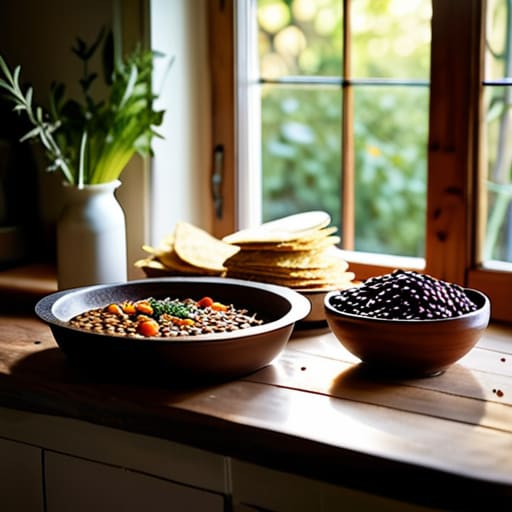
Most people approach meal planning like they’re preparing for a culinary competition, complete with color-coded spreadsheets and exotic ingredients that rot in the crisper drawer by Thursday. That is a recipe for burnout. Real meal planning for beginners isn’t about gourmet precision; it’s about reducing the number of decisions you have to make when you’re exhausted at 6:00 PM. I recommend starting with a “template” approach. Pick three reliable meals you can cook with your eyes closed—think black bean tacos, a hearty lentil stew, or a simple roasted chicken and veg—and rotate them.
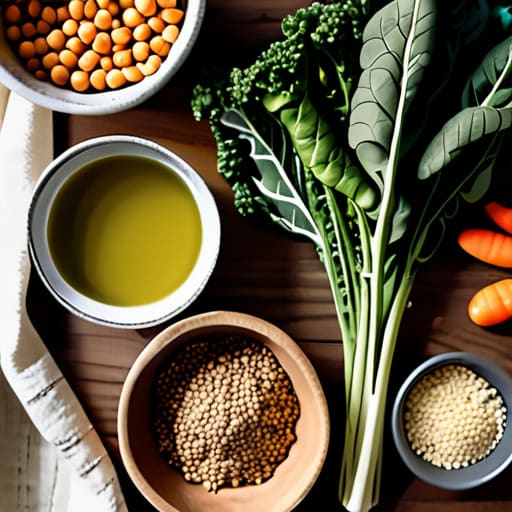
The goal here is to leverage low cost pantry staples like rice, dried beans, and oats to create a foundation. If you have these on hand, you aren’t one unexpected expense away from a takeout binge. Instead of trying to plan twenty different meals, just plan for three or four versatile components. This allows for a bit of flexibility when your Tuesday afternoon inevitably goes sideways, while still keeping your grocery bill predictable and your mental load light.
Low Cost Pantry Staples That Do the Heavy Lifting
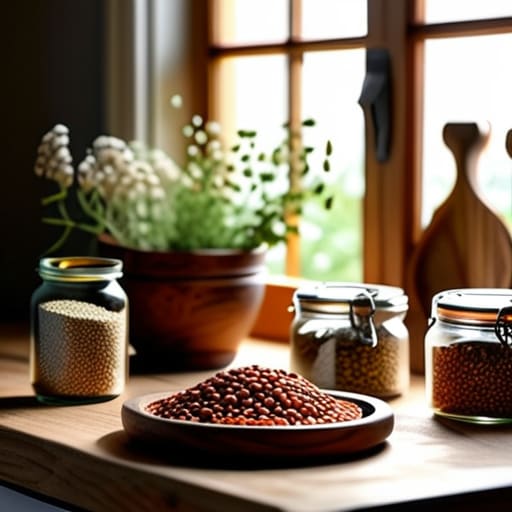
If you want to stop the constant cycle of “what’s for dinner?” anxiety, you need to stop treating your pantry like a collection of random snacks and start treating it like a toolkit. The secret to staying afloat isn’t finding magic sales; it’s building a foundation of low cost pantry staples that can be transformed into a meal in under fifteen minutes. I’m talking about the heavy hitters: dried lentils, jasmine rice, canned tomatoes, and oats. These aren’t glamorous, but they are the structural integrity of a functional kitchen.
When I was managing high-pressure operations, I learned that you don’t build a system on fragile parts. The same applies to your groceries. Instead of chasing every flashy seasonal ingredient, focus on affordable protein sources like chickpeas or eggs that don’t expire the moment you look away. By keeping these items in stock, you’re essentially creating a safety net for those Tuesday nights when you’re too exhausted to think. This isn’t about being a gourmet chef; it’s about reducing food waste and ensuring you aren’t throwing money in the trash every time a recipe fails.
Five Ways to Stop Bleeding Cash in the Kitchen
- Stop buying pre-cut produce. You’re paying a 300% markup for someone else to use a knife, and frankly, you don’t have the time to justify that kind of waste. Buy the whole head of broccoli or the block of cheese; it takes five minutes of prep and saves you enough over a month to actually notice.
- Master the “Component Cooking” method. Instead of making five different elaborate recipes, cook large batches of three versatile components—like a roasted vegetable mix, a grain, and a protein. Mix and match them throughout the week so you aren’t eating the exact same bowl of mush four nights in a row.
- Treat your freezer like a strategic reserve. Most people let bags of frozen peas rot in the back, but a well-managed freezer is your best defense against impulse takeout. Keep frozen spinach, berries, and even extra portions of cooked grains on hand for those nights when the “Tuesday afternoon reality” hits and you have zero energy to cook from scratch.
- Learn to shop your own cupboards before you hit the store. I see people buying a third jar of cumin when they already have two hiding in the pantry. Before you write your list, do a quick inventory. It prevents duplicate spending and forces you to get creative with what you already own.
- Embrace the “Meat as a Garnish” philosophy. Meat is almost always the most expensive item on your receipt. Instead of making a steak the center of the plate, use small amounts of high-quality protein to flavor a large pot of lentil stew or a hearty vegetable stir-fry. You get the flavor without the massive price tag.
The Bottom Line for Your Kitchen Budget
Stop treating meal planning like a hobby; treat it like a logistics problem where the goal is to minimize waste and decision fatigue.
Build your meals around cheap, versatile staples first, then add the expensive proteins or fresh produce only as accents.
If a recipe requires a single-use ingredient that costs more than the meal itself, scrap the recipe and find a better system.
The Reality of the Grocery Bill
Stop looking for a magic recipe to save you money; start looking at your habits. Real budgeting isn’t about deprivation or gourmet substitutions—it’s about building a system around staples so you aren’t making expensive, panicked decisions at 6:00 PM on a Tuesday.
Diane Sterling-Voss
The Bottom Line
At the end of the day, cooking on a budget isn’t about deprivation or eating bland, uninspired meals. It’s about moving away from the chaos of last-minute takeout and toward a system that actually works for you. We’ve covered the basics: building a meal plan that respects your limited time, and stocking a pantry with versatile staples that can handle whatever a Tuesday afternoon throws at you. If you focus on minimizing decision fatigue and maximizing your inventory, you’ll find that the financial relief follows naturally. You don’t need a gourmet kitchen or a massive grocery budget; you just need a repeatable process that keeps your kitchen running without draining your mental or financial reserves.
Don’t feel like you have to overhaul your entire lifestyle by Monday morning. Systems are built through small, incremental adjustments, not overnight revolutions. Start by picking just one thing—maybe it’s buying one more bulk staple or mapping out three dinners for next week—and see how it feels. The goal isn’t perfection; it’s about reclaiming your bandwidth so you can spend your money and energy on things that actually bring you joy. Stop fighting the grocery store and start building a system that works in the messy reality of your life. You’ve got this.
Frequently Asked Questions
How do I avoid the "food waste trap" where I buy bulk staples but end up throwing half of them away because they go bad?
The “bulk trap” is usually just a failure of inventory management. Stop treating your pantry like a warehouse and start treating it like a revolving stock. Before you shop, do a literal sweep of what you already own. Then, implement a “First In, First Out” system—move the older cans to the front. If you buy a massive bag of rice, don’t assume you’ll finish it in a month; buy smaller quantities until your consumption rate stabilizes.
What’s the most efficient way to prep these ingredients without spending my entire Sunday in the kitchen?
Don’t fall into the “marathon meal prep” trap; it’s a recipe for burnout. Instead, use the component method. Spend thirty minutes on Sunday roasting two sheet pans of hardy vegetables and boiling a large batch of grains or pasta. That’s it. Don’t cook full recipes; just prep the building blocks. When Tuesday rolls around and you’re exhausted, you aren’t “cooking”—you’re just assembling high-quality fuel in under five minutes.
How do I actually make cheap, repetitive meals taste like something other than cardboard?
The secret isn’t expensive ingredients; it’s acidity and texture. If your beans and rice feel like a chore to eat, hit them with a squeeze of lime or a splash of vinegar. It wakes the flavors up instantly. Also, keep a jar of decent chili crunch or toasted garlic in the fridge. A little hit of heat or crunch turns a repetitive meal into something intentional rather than just something you’re “getting through.”