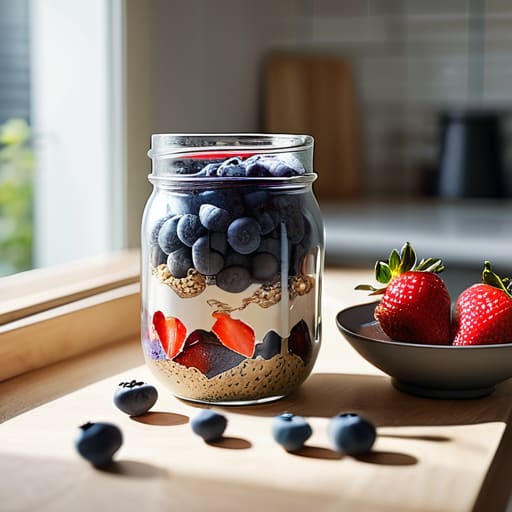
I am so tired of seeing those aesthetic, “Pinterest-perfect” meal prep videos where someone spends six hours on a Sunday meticulously portioning colorful quinoa salads into matching glass containers. Let’s be honest: if your system requires a degree in interior design and a full afternoon of labor, it isn’t a system—it’s a second job. I’ve spent enough years in operations to know that if a process is too high-friction, people won’t follow it. When it comes to make ahead meals, the goal shouldn’t be a photoshoot; it should be making sure you don’t end up eating cereal over the sink at 8:00 PM because you’re too depleted to function.
In this guide, I’m stripping away the fluff and the expensive gadgets. I’m going to show you how to build a functional food system that actually survives the chaos of a real work week. We aren’t going to chase perfection; we are going to focus on high-leverage wins—simple, repeatable methods for prepping components that save your mental bandwidth when you’re exhausted. No hype, no wasted time, just practical strategies that work in the messy reality of a Tuesday afternoon.
Table of Contents
Weekly Meal Planning Tips That Dont Waste Your Sunday
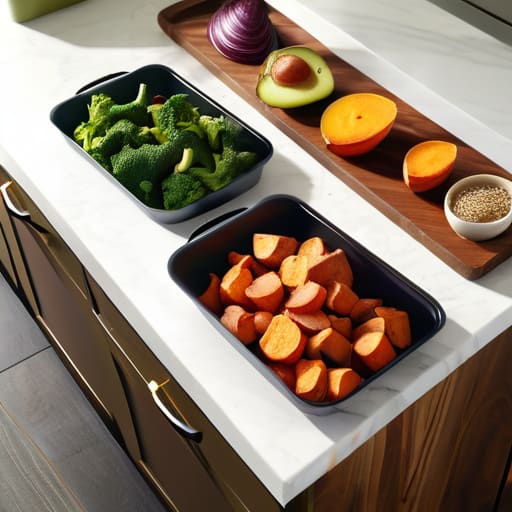
If you’re spending your entire Sunday afternoon hovering over a steaming pot of quinoa, you’re doing it wrong. That isn’t a system; it’s a second job. Instead, I treat my planning like an operations audit. I don’t look for complex recipes; I look for modular components. Think of it as building a kit rather than a feast. If you roast two trays of vegetables and cook a large batch of a versatile protein on a Wednesday evening, you’ve already done eighty percent of the work for your upcoming lunches.
The goal is to implement weekly meal planning tips that focus on assembly rather than intensive cooking. I lean heavily on time saving kitchen hacks, like using a slow cooker during my workday or utilizing high-quality pre-cut frozen vegetables to bypass the chopping phase entirely. If a plan requires more than thirty minutes of active prep time on a weekend, it’s too fragile. It won’t survive the reality of a busy week. Stick to a “base and variation” model: one base grain, one protein, and three different sauces to keep things from feeling like a chore.
Budget Friendly Meal Prep Ideas for the Non Optimist
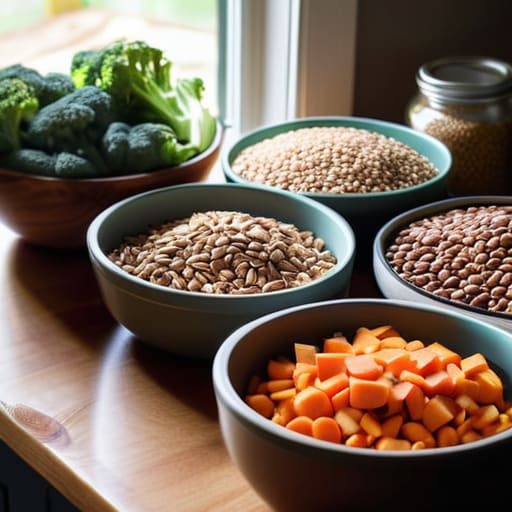
If you’re looking at a grocery list full of organic superfoods and artisanal grains, stop. High-efficiency living doesn’t require a massive budget; it requires a strategy. The most effective budget friendly meal prep ideas usually center around versatile, low-cost staples like dried lentils, rice, and seasonal vegetables. Instead of buying pre-cut kits that charge you a 300% markup for the “convenience,” buy the bulk versions and do the minimal processing yourself. It’s a small upfront time investment that pays massive dividends in your bank account by Friday.
The real secret to staying on track is avoiding the “all or nothing” trap. Don’t try to cook five different gourmet recipes. Pick two base proteins and one large batch of grains, then rotate your seasonings to prevent palate fatigue. To make this sustainable, invest in decent meal prep containers for freezing so you can build a “buffer” of extra portions. Having a few frozen, home-cooked meals tucked away in the back of the freezer is the ultimate insurance policy against the expensive, soul-crushing temptation of takeout when your Tuesday goes sideways.
Five Low-Friction Tactics for a Better Week
- Stop trying to cook five different recipes. Pick one protein—like a big batch of roasted chicken or seasoned ground beef—and use it as a modular base for three different flavor profiles throughout the week. It cuts your decision fatigue in half.
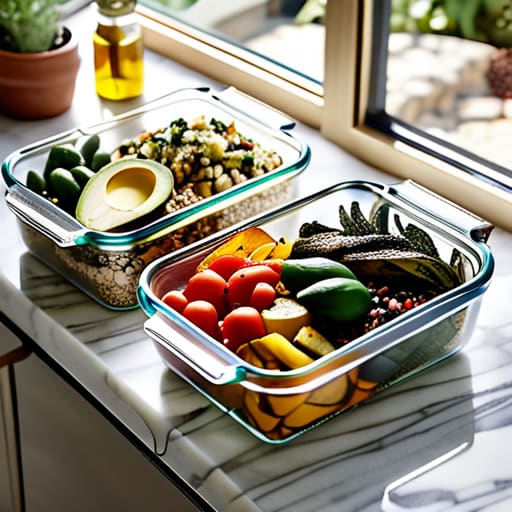
- Invest in high-quality, uniform glass containers. I know, it’s an extra upfront cost, but if your containers stack perfectly and don’t turn your leftovers into a science experiment, you’re much more likely to actually use them.
- The “Component Prep” method beats the “Full Meal” method every time. Instead of assembling entire bowls that get soggy by Wednesday, just prep the components: roasted veggies, a grain, and a sauce. It gives you more flexibility when you’re not in the mood for the exact same thing twice.
- Embrace the freezer for more than just frozen peas. If you realize on a Tuesday that you’ve overshot your prep, portion out the extras immediately. It’s much easier to thaw a pre-portioned meal later than it is to figure out what to eat when you’re staring blankly into a fridge at 7:00 PM.
- Don’t ignore the “Semi-Homemade” rule. There is no shame in buying a high-quality rotisserie chicken or pre-washed bagged salad to supplement your prep. If a ten-minute shortcut saves you thirty minutes of chopping, take the win and move on.
The Bottom Line for Your Week
Stop aiming for a Pinterest-perfect pantry; just pick two versatile proteins and three vegetables to rotate through the week.
Prep components, not just meals—roasting a large batch of chicken or grains gives you more flexibility when your Tuesday plans inevitably shift.
If a prep method feels like a second job, discard it; the best system is the one you actually have the energy to maintain.
The Philosophy of Prep
“Stop treating meal prep like a second job you have to perform every Sunday. The goal isn’t to become a gourmet chef in a single afternoon; it’s to build a small buffer of food so that when life inevitably gets messy on a Tuesday, you aren’t staring blankly into an empty fridge.”
Diane Sterling-Voss
Stop Overcomplicating Your Kitchen
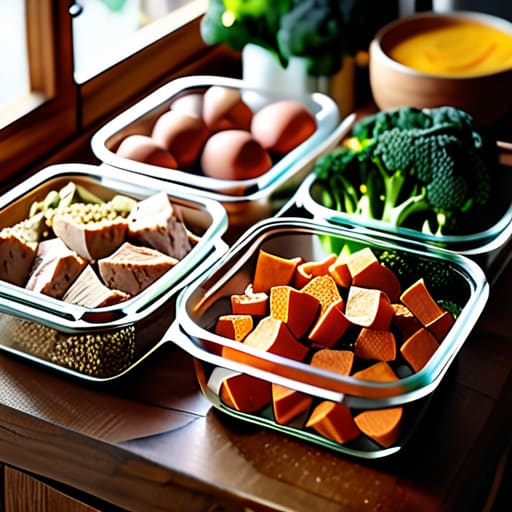
At the end of the day, meal prep isn’t about achieving some aesthetic, Pinterest-perfect pantry or spending your entire weekend hovering over a stove. It’s about building a few reliable systems that prevent you from ordering expensive, mediocre takeout when you’re too tired to think. We’ve covered how to plan without losing your Sunday, how to keep costs down, and how to focus on meals that actually hold up by Wednesday. If you can master just two or three of these repeatable methods, you’ve already won half the battle against the chaos of a standard work week. The goal is functional nutrition, not culinary perfection.
Don’t feel like you have to overhaul your entire kitchen routine by Monday morning. Start small—maybe just prep one versatile protein or one batch of grains that can serve three different meals. Systems are meant to serve you, not the other way around, and they should always be adjusted to fit the messy reality of your actual life. Once you stop treating meal prep like a chore and start seeing it as a way to reclaim your mental bandwidth, everything changes. Now, go close your laptop, put the planner away, and enjoy the extra time you just bought yourself.
Frequently Asked Questions
How do I keep these meals from tasting like leftovers by Wednesday?
The “leftover” taste usually comes from two things: moisture loss and flavor fatigue. Stop reheating everything in the microwave until it’s a rubbery mess. Use a small splash of water or broth when heating to restore texture, or better yet, use the oven. Most importantly, keep your components separate. Don’t mix the sauce with the starch until you’re actually ready to eat. Fresh garnishes—a squeeze of lime or a handful of fresh herbs—at the very end do more for “freshness” than any expensive gadget ever will.
Is it actually worth the effort to portion everything into individual containers right away, or should I just keep it in bulk?
If you’re looking for a way to save time, portioning everything into individual containers immediately is the superior system. It’s about reducing decision fatigue. When you’re staring at the fridge at 6:30 PM on a Tuesday, “grab and go” is a much easier mental lift than “measure, heat, and plate.” Bulk storage is fine for components like grains or proteins, but for actual meals, individual portions protect your time and prevent overeating.
What’s the best way to organize my fridge so I don't end up with a graveyard of Tupperware I can't identify?
Stop buying clear containers if you aren’t going to label them. I learned that the hard way. The system is simple: use a dry-erase marker directly on the glass or plastic. If you can’t read it, it doesn’t exist. Group items by “use-by” priority—high-turnover perishables at eye level, long-term staples in the back. If a container has been sitting there for more than four days without being touched, it’s not “prep,” it’s a science project. Toss it.